
About Metroid Dread
Metroid Dread follows bounty hunter Samus Aran into the depths of planet ZDR, where she searches for a vanished research team and evades hostile E.M.M.I. robots. Explore connected regions, recover suit abilities, and use them to fight enemies, escape pursuit and open routes through the planet.
Metroid Dread is a side-scrolling action adventure for Nintendo Switch, developed by MercurySteam and Nintendo EPD. It continues Samus Aran’s story as she investigates a mysterious signal associated with the X parasite on the remote planet ZDR. A Galactic Federation research team sent to the planet has disappeared, and the E.M.M.I. robots assigned to the mission have become a danger. Samus is dispatched because she is immune to the parasite, but an encounter deep underground leaves her separated from much of her equipment. The mission becomes a climb back toward the surface through unfamiliar territory, with the missing machines and the secrets of ZDR shaping what she finds. The story brings together the series’ science-fiction setting, Chozo history and Samus’s long-running conflict with the Metroids and the X.
ZDR is divided into interconnected regions with distinct environments, enemies and hazards. The player moves through these areas by running, jumping, aiming and firing Samus’s Arm Cannon, while searching for doors, passages and mechanisms that connect the map. Some routes are immediately accessible; others require a weapon or ability that Samus acquires later. This turns backtracking into a practical part of exploration: a newly recovered power can reveal a use for a barrier or opening encountered earlier. The map records visited rooms and marks many interactive elements, letting the player revisit old routes with a different set of tools. Hidden blocks and less obvious passages reward attention to the environment, while map icons help compare doors, obstacles and items across regions.
Samus’s movement is designed around maintaining momentum while moving through a compact 2D space. She can aim freely while stationary or jumping, slide through narrow openings, grab ledges, and counter certain incoming attacks with a timed melee strike. A successful counter leaves an opponent vulnerable to a follow-up attack. Dash Melee carries this action into movement, allowing Samus to counter while advancing instead of stopping to face a threat. Later upgrades add new ways to navigate, such as the Spider Magnet for climbing suitable surfaces, the Grapple Beam for swinging or pulling at targets, and Flash Shift for a quick burst in a chosen direction. These abilities have both combat and exploration uses, so their arrival changes how familiar rooms can be crossed as well as how enemies are approached.
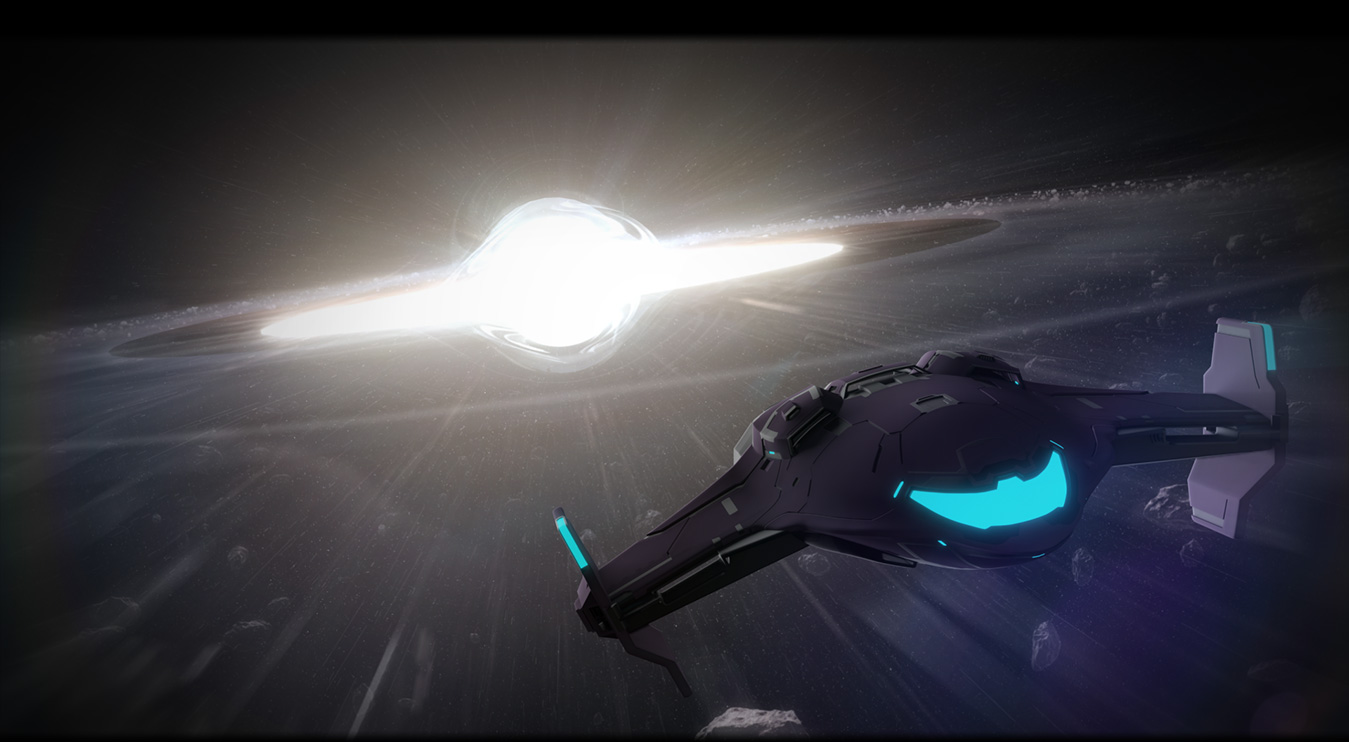
Weapons and suit upgrades widen Samus’s options and provide the means to pass environmental barriers. Beam improvements and missiles are used against different enemies and obstructions, while the Varia Suit and other suit changes affect how safely she can enter hazardous environments. Several abilities draw on the Aeion Gauge, which makes energy management relevant during tense sections. The Phantom Cloak renders Samus invisible and quiet while it is active, helping her avoid optical detection, though it consumes Aeion energy and cannot undo an E.M.M.I. that has already locked onto her. Pulse Radar can reveal nearby hidden destructible walls, while mobility skills such as Speed Booster and Shine Spark help reach distant areas and break special blocks. Combining powers lets players find routes that a single ability would not make possible.
E.M.M.I. encounters introduce a distinct pursuit challenge within special zones. The robots patrol their territory and can detect Samus through sight or sound; once alerted, they pursue her quickly. Her ordinary beam and missile attacks cannot damage their protective plating, so the immediate task is to move through the zone without being caught. The Phantom Cloak can suppress sound and conceal Samus from optical sensors, but careful timing and route choice still matter. If an E.M.M.I. catches her, a melee counter offers a very narrow chance to escape. Under particular conditions, Samus can obtain the Omega Cannon, whose charged attacks can destroy an E.M.M.I.; this is a temporary, encounter-specific weapon that returns to the regular Arm Cannon once the robot is defeated. The difference between fleeing and fighting creates a sharp contrast with ordinary enemy encounters.
The broader campaign alternates exploration with combat against creatures, hostile forces and major bosses. Regular enemies encourage the use of counters, aim and weapon choice, while bosses require the player to observe attack patterns, find openings and use the appropriate weapon. Samus gains health, missile capacity and other upgrades as she explores, giving optional detours a practical reward beyond map completion. The Mission Log records recent abilities, defeated bosses and communications from Adam, the shipboard computer, and can help reorient the player after a break. The map’s icon highlighting can point out a previously seen door or obstacle that matches a new ability, encouraging a return to earlier zones. Progress can still involve uncertainty, but information from the map, log and environment helps turn a dead end into a question about what tool or route has not yet been used.
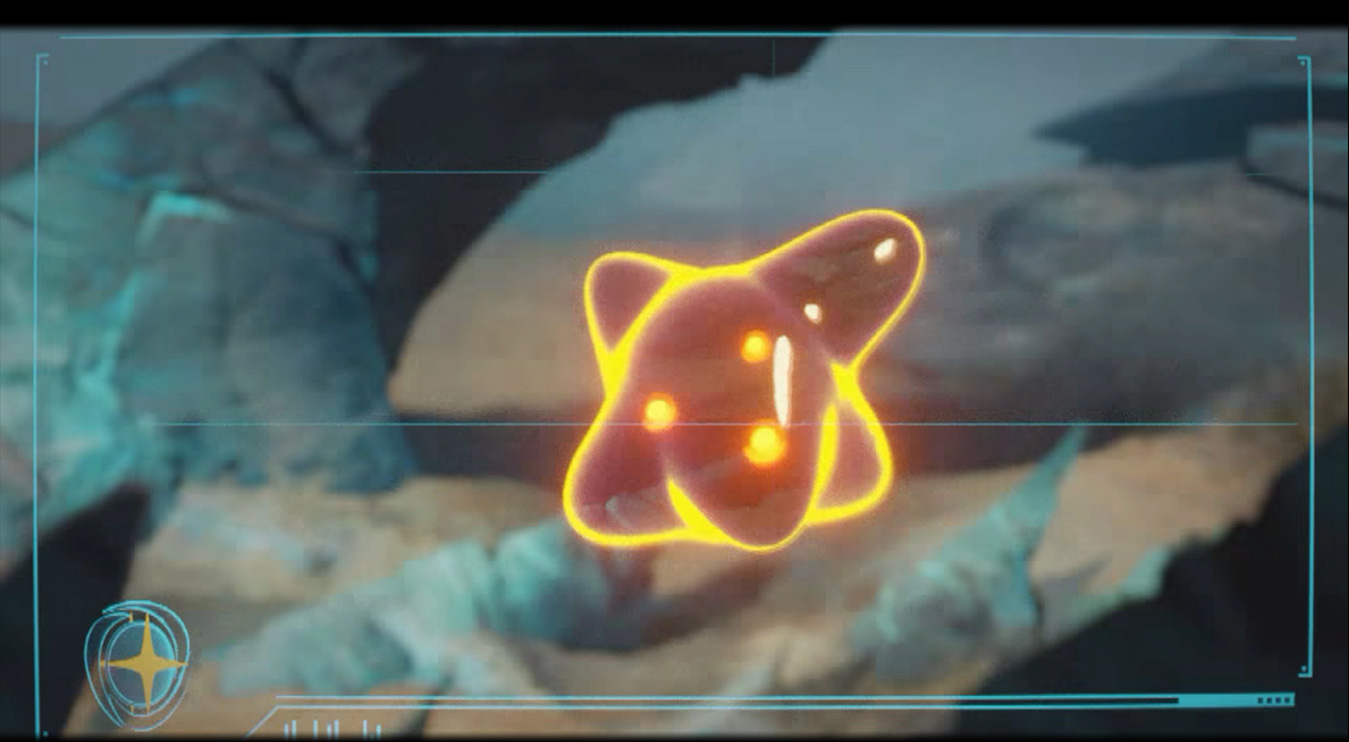
Completing the main adventure unlocks a harder difficulty, and the game also tracks clear time and item collection. Each region contains hidden upgrades; finding all items in an area unlocks a gallery reward, and collecting everything supports completion-focused play. These goals encourage players to revisit the world after the story path has opened most of Samus’s abilities. Faster movement techniques can create new routes, while combinations such as Speed Booster and Shine Spark are useful for breaking obstacles or crossing gaps. The controls and map support both a direct escape toward the surface and a more thorough search for equipment and secrets. Metroid Dread’s progression is therefore built around a repeating cycle: explore until a new ability changes the possibilities, use that ability to defeat threats or open paths, then re-evaluate what remains reachable across ZDR.
- Developer
- MercurySteam and Nintendo EPD
- Genre
- Side-scrolling action adventure