
About Mass Effect Legendary Edition
Mass Effect Legendary Edition collects the single-player campaigns of Mass Effect, Mass Effect 2 and Mass Effect 3 with story, weapon and armor DLC. Play as Commander Shepard, lead a squad across a galaxy facing the Reapers, and carry character decisions through all three games as combat and exploration systems evolve.
The collection follows Commander Shepard, a human officer drawn into a conflict that reaches across the Citadel Council’s space and beyond. In the first Mass Effect, Shepard investigates the actions of rogue Spectre Saren and uncovers a danger to the galaxy; Mass Effect 2 shifts to assembling specialists for a mission against the Collectors, while Mass Effect 3 places the Reaper invasion at the center of the struggle. Familiar characters, including Liara T’Soni, Garrus Vakarian, Tali’Zorah and Urdnot Wrex, return or re-enter Shepard’s orbit as the three campaigns build on one another. The Legendary Edition packages the single-player base content of all three games and more than forty story, weapon and armor DLC packs, presenting the trilogy as one continuous character journey.
At the beginning, players shape Shepard’s appearance, background, military history and combat class. The six classes combine combat, technology and biotics in different proportions: a Soldier specializes in weapons, an Adept focuses on biotic powers, and an Engineer uses tech skills, while Vanguard, Sentinel and Infiltrator blend two disciplines. In the first game, these skills influence both combat and some interactions, such as using Decryption to open secured doors and containers. Shepard usually takes two squadmates into the field, so party selection complements the chosen build. Garrus or Tali can add technical expertise, while Liara brings biotic abilities; squad orders let the player direct attacks and powers instead of treating companions as passive followers. Class and squad choices define a tactical approach that can be revised with upgrades as each story advances.
Mass Effect’s first campaign gives the Normandy a central role as Shepard’s ship and mission hub. The galaxy map connects the main story worlds with optional assignments, and many planetary missions use the Mako, an armored vehicle that can cross rough terrain and engage enemies with its weapons. On foot, Shepard and two companions explore facilities, settlements and hostile sites, speak with people, inspect objects and fight through opposition. Combat blends cover, firearm aiming and abilities such as biotic lifts or tech attacks; the original game leaned more heavily on character statistics and weapon handling affected by skill. Legendary Edition adjusts that entry’s accuracy, aim assistance, weapon cooldown, Mako controls and squad commands, including the ability to order companions independently. Its underlying role-playing structure remains distinct from the later games.
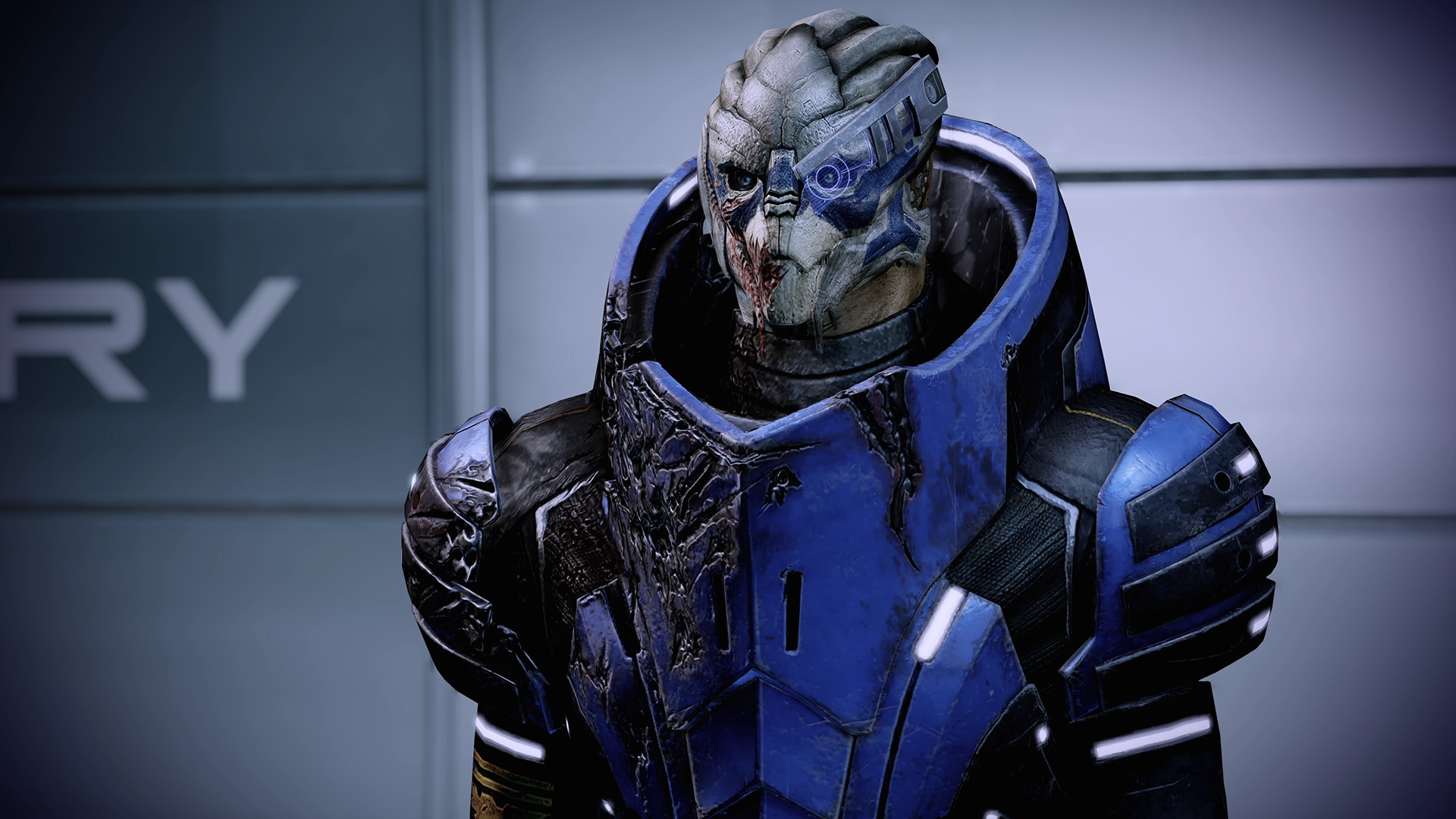
Mass Effect 2 changes the combat rhythm around tighter cover encounters, ammunition clips and mission-specific squad powers. Shepard’s weapons use thermal clips, so reloading replaces the earlier wait for guns to cool down. Different enemy protections reward matching abilities and weapons to the target, while the squad command interface pauses combat for selecting a power and enemy. The Normandy SR-2 becomes a working base: Shepard chooses destinations, checks messages, talks with crew members, researches upgrades and scans planets for minerals or distress signals. Recruits have personal loyalty missions that reveal their histories and develop their relationship with Shepard. Completing these assignments can improve their readiness for the later operation, so conversations and optional missions contribute to preparation as well as character development.
Mass Effect 3 brings the trilogy’s military campaign into active crisis, with Shepard gathering allies and resources while responding to missions across the galaxy. Its firefights continue the cover-based action of the second game, with squadmates whose individual abilities can be directed against enemies and their defenses. Legendary Edition includes the Extended Cut ending as the default and rebalances the Galaxy at War system around activities in the collection; it no longer relies on the removed multiplayer mode or companion app. Completing story and optional content across the three games contributes to the resources available for the final conflict. The third entry also contains a distinct multiplayer mode in its original release, but that mode is not part of Legendary Edition, whose campaigns are single-player.
The trilogy’s decisions accumulate across separate saves. Dialogue offers responses associated with Shepard’s Paragon and Renegade approaches, and choices can change relationships, mission outcomes and the people available later. Importing a completed character carries important decisions into the next game, while the included Mass Effect: Genesis interactive comic offers a way to establish key earlier choices for players beginning with Mass Effect 2 or 3. The same character creator code can also preserve Shepard’s appearance across all three titles. Choices range from how Shepard handles a conversation or assignment to outcomes with consequences in later campaigns, so the state of the galaxy in the third game reflects actions made much earlier. The collection’s connective structure makes the three separate campaigns parts of a continuing role-playing story.
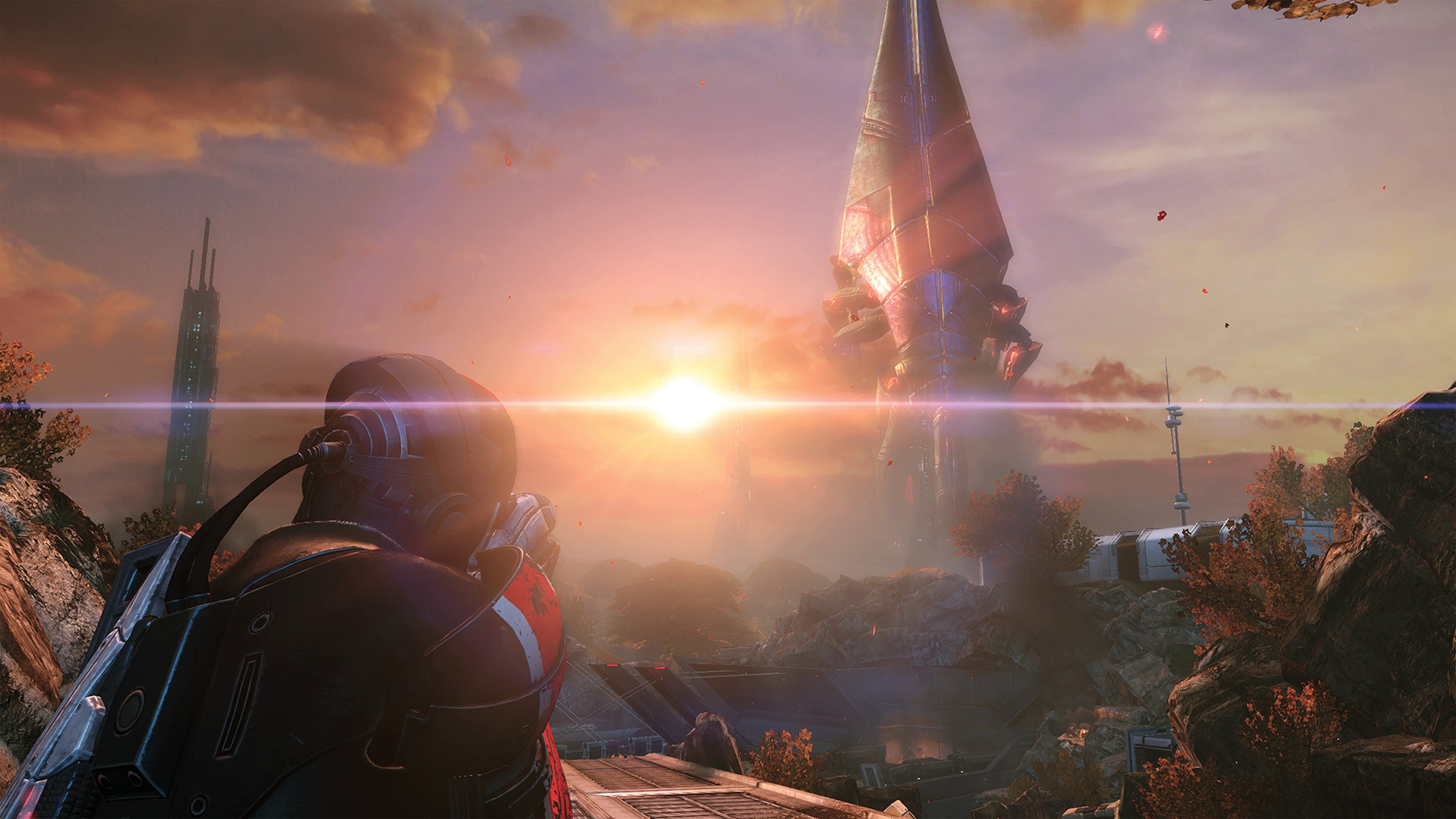
Equipment is also woven into the collection’s progression. Many weapon and armour packs once sold separately are obtained through research or merchants in Mass Effect 2 and 3, rather than appearing automatically at the start. The Recon Hood in the second game and Cerberus Ajax Armor in the third are exceptions available from the beginning. This places most of the additional gear within the same search for upgrades and supplies as the regular equipment. Shepard gains access as the campaign advances and can decide how it fits the chosen class and squad. The collection brings those packs into the single-player journey while retaining separate saves for each game and a shared launcher for the trilogy.
- Developer
- BioWare
- Genre
- Single-player science-fiction action role-playing game collection