
About Maid of Sker
Set in 1898 at a remote Welsh hotel, Maid of Sker follows a supernatural mystery shaped by local folklore and a troubled family empire. Explore the hotel in first person, solve environmental puzzles and use a defensive sound device while avoiding the Quiet Ones, whose hearing makes noise a danger as well as a clue.
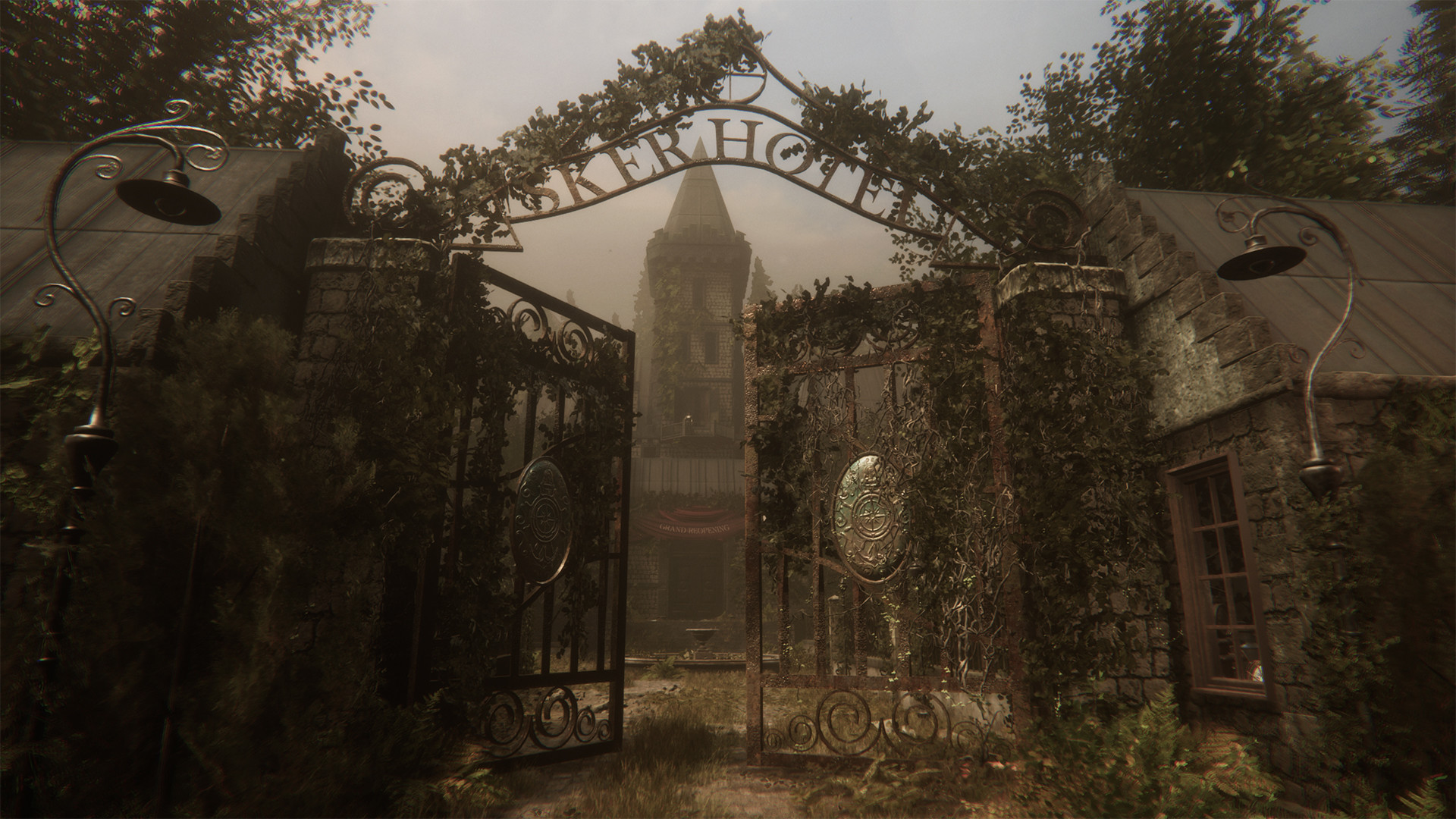
Maid of Sker is a first-person survival horror game set in a secluded hotel in Wales in 1898. Its story draws on the Welsh tale of Elisabeth Williams and places a supernatural mystery around the hotel and the family empire connected to it. The estate’s history includes exploitation, piracy and violence, while the present is haunted by the Quiet Ones, a group of enemies that respond to sound. Rather than making the player a heavily armed combatant, the game puts attention on moving through the building, noticing what has changed and finding a route past danger. The hotel acts as both a physical maze and the centre of the story: its rooms, corridors and grounds hold the clues that gradually reveal why the place has become unsafe.
The hotel is explored from a close first-person perspective. Rooms and connecting passages create a layout that encourages careful observation: doors lead into unfamiliar spaces, objects can draw attention, and environmental details help make the estate feel inhabited even when no one is visible. Exploration is tied to small objectives and puzzles, so progress means understanding the immediate surroundings as well as avoiding threats. The player’s route through the building is not simply a sequence of fights. It involves looking for useful details, working out how to proceed and deciding when it is safe to cross exposed areas. Because the setting is an old hotel with a history, movement between its rooms also gives the mystery a physical shape; discoveries occur in the same place where the family’s past and the supernatural presence intersect.
Sound is central to how Maid of Sker frames danger. The Quiet Ones rely on hearing, and its three-dimensional sound system makes the player’s awareness of space auditory as well as visual. A sound can seem close or distant, helping build a sense of where danger may be without making every threat visible. The result is a form of tension based on interpreting the hotel, where a corridor may feel unsafe before an enemy appears in view. Listening becomes part of moving through the building, and the player has to combine what can be heard with what can be seen. This spatial sound design supports the stealth premise by making the unseen presence of the Quiet Ones part of exploration, so danger can be felt before an enemy is directly on screen.
Maid of Sker gives the player a defensive sound device rather than a conventional weapon. It offers a way to respond to the Quiet Ones while preserving stealth as the principal means of getting past them. The player must avoid detection, use the spaces available and decide when to move. Sound and safety are connected, but the device does not remove the need to understand enemy behaviour or choose a route carefully. The core challenge brings together navigation, timing and awareness of the hotel. Staying alive depends on reading an encounter and using the environment, rather than repeatedly confronting every threat head-on. This makes the device a limited tool within a larger survival approach: it can help create an opportunity, while the player still has to judge whether moving, hiding or waiting is the better response.
Puzzles and objectives provide a second rhythm alongside stealth. They ask the player to pay attention to the hotel and work out how to continue, while the presence of enemies makes some exploration risky. This combination means a room can be more than a backdrop: it may contain a clue or an interaction needed for progress, but spending time there can also increase exposure. The player must balance curiosity with caution, returning to details when necessary while remaining aware that noises and movement can carry consequences. The story is delivered through the spaces and discoveries encountered along the way, not through a detached account of the family’s past. As the player investigates, the supernatural mystery becomes connected to the hotel’s history and the dangers that now occupy it.
The hotel’s physical details can turn movement into a risk. A dynamic environment sound feature alerts enemies when the player bumps into objects, so furniture and narrow passages are part of the stealth challenge. Moving through clutter or crossing a room calls for care, especially when an accidental collision could expose the player’s position. This means the architecture matters in a practical way: a route is judged by its distance and by the chances of making noise along it. A quiet approach through a room asks for attention to spacing and timing, while a noisy mistake can force a quick response. The Quiet Ones make the player consider how the environment will behave during a crossing, adding physical precision to the broader work of exploring the hotel and finding objectives.
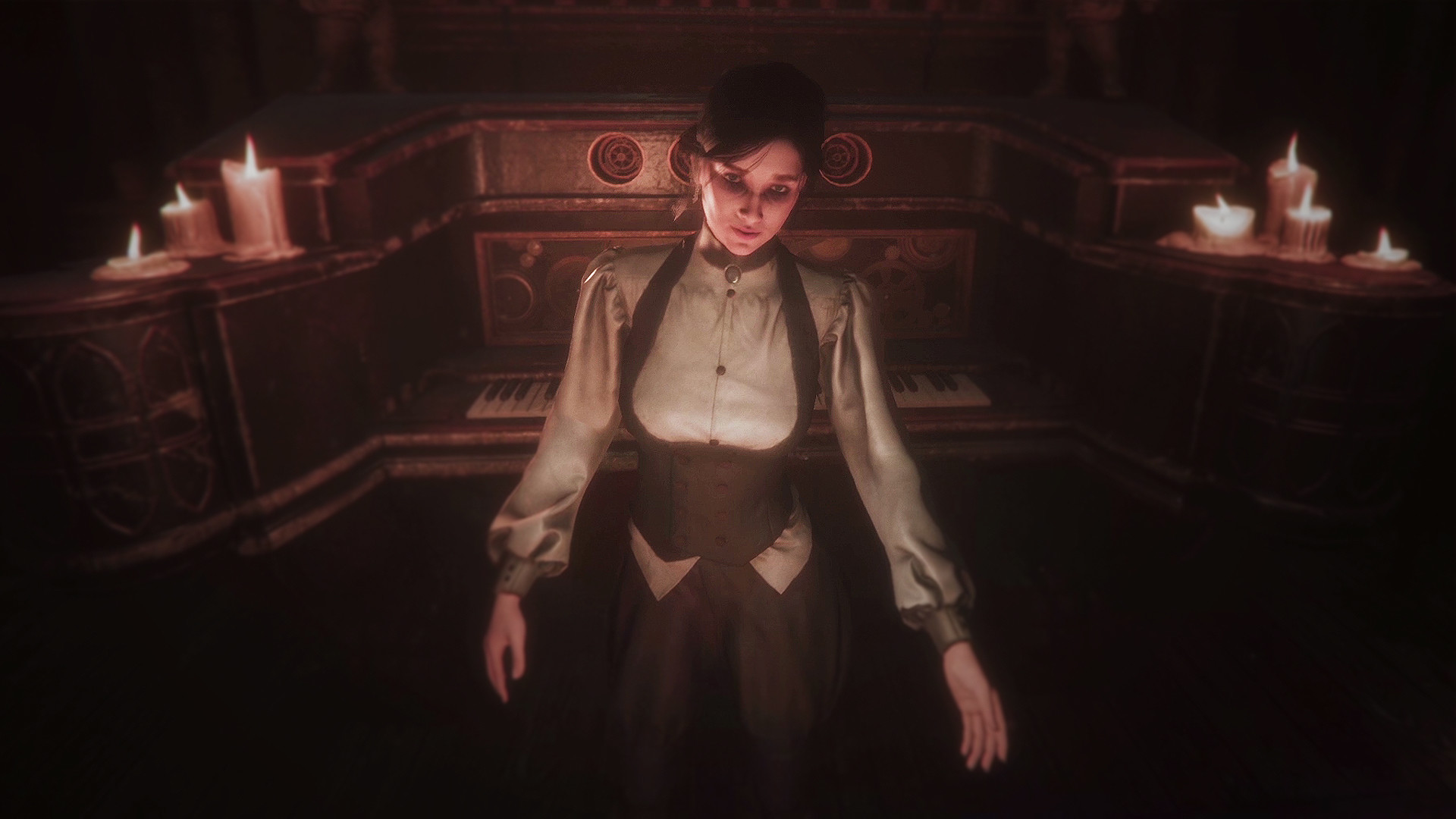
Maid of Sker combines Welsh folklore, a late nineteenth-century setting and a first-person survival-horror structure. Its story draws on the tale of Elisabeth Williams, but the game builds its own supernatural scenario around a hotel and a family history marked by abuse and wrongdoing. The player investigates that place while facing the Quiet Ones, solving puzzles and using sound tactically. Music also forms part of the game’s Welsh identity: its soundtrack reimagines well-known Welsh hymns, including Calon Lân, Suo-Gân and Ar Hyd Y Nos. These elements bring the setting, story and survival mechanics together around one location, where the player must understand the hotel’s history while navigating threats that can hear movement and noise.
- Developer
- Wales Interactive
- Genre
- First-person survival horror