
About Mafia: Definitive Edition
In 1930s Lost Heaven, cabdriver Thomas “Tommy” Angelo is drawn into Don Salieri’s crime family after a chance encounter with its members. This ground-up remake follows his work as a driver and gangster through a mission-led crime story of changing loyalties, dangerous jobs, city driving and gunfights.
Mafia: Definitive Edition is a ground-up remake of the 2002 crime drama, following cabdriver Thomas “Tommy” Angelo in 1930s Lost Heaven. After a chance encounter with gangsters puts him in the orbit of Don Salieri’s organization, Tommy moves from earning fares to driving and working for the family. Paulie and Sam become his partners in that criminal world, while Salieri’s rivalry with Don Morello shapes the pressures around their jobs. The setting is a fictional American city during Prohibition, where bars, industrial districts, residential neighborhoods and countryside roads frame a story about money, loyalty and the cost of belonging. The remake retains the original’s central premise while expanding dialogue, character histories and staged scenes, so the focus remains Tommy’s changing place inside one crime family rather than a sequence of unrelated criminal careers.
The campaign advances through a directed series of story missions. A chapter may begin at Salieri’s bar, move into a drive across the city, and then shift into an interior or outdoor objective where the player handles a conversation, pursuit, stealth passage or firefight. Driving is therefore woven into the mission rhythm: journeys let dialogue and radio reports establish context, while chases and timed routes turn the same roads into active challenges. Lost Heaven is traversable, but the main progression is mission-led, with the city serving as a connected stage for the next assignment rather than a checklist of independent businesses to take over. As Tommy gains responsibility, the jobs vary in setting and task, yet remain tied to the Salieri family’s organized-crime operation and its conflict with Morello’s side.
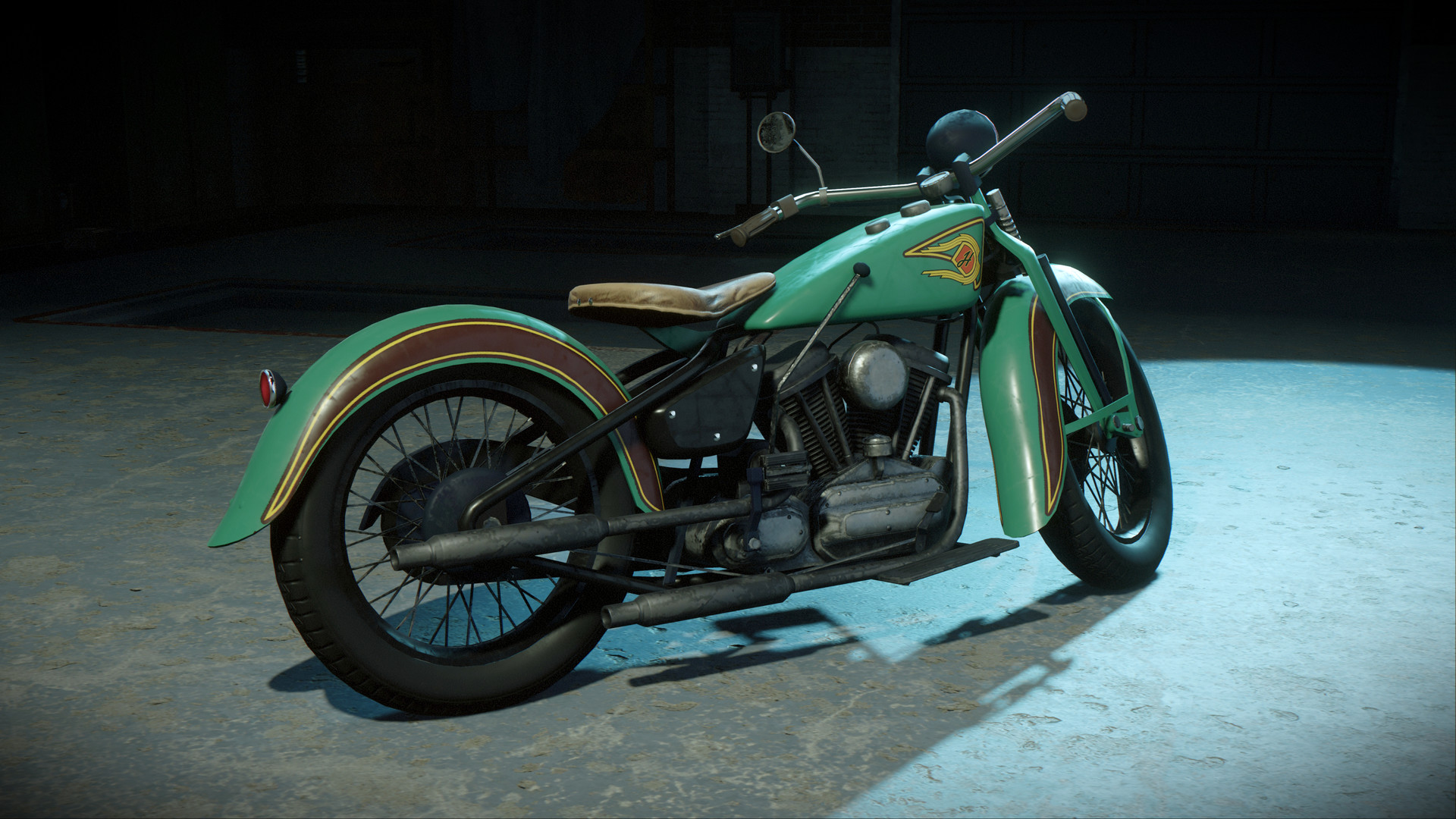
Cars are a central part of Tommy’s work because his original trade is driving a cab, and later assignments depend on moving people, reaching a location or escaping pursuit. Lost Heaven’s interwar vehicles differ in size, speed and handling, giving the road network a practical role in how a mission unfolds. The game includes a speed limiter for keeping within traffic limits and options that adjust driving assistance and simulation behavior. Races and pursuit sequences require reading corners, traffic and the space available to pass, while ordinary trips make neighborhoods and the city’s changing architecture visible. The player can also use a motorcycle in the remake, adding another vehicle type to the streets. These systems keep travel connected to the story: the car can be transport, a means of evasion or the focus of a set piece, rather than merely a way to cross an empty map.
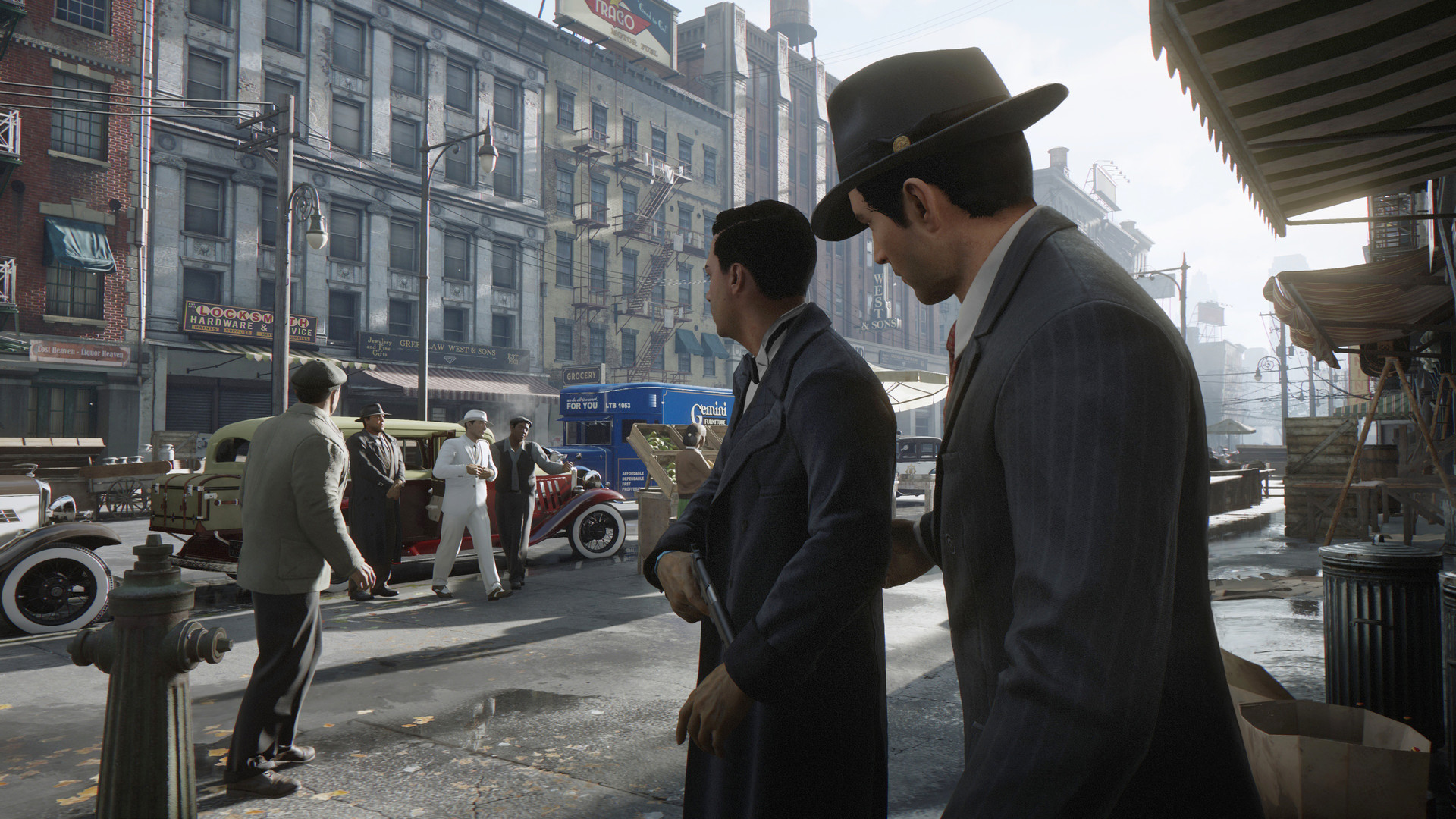
On foot, the action shifts into third-person movement, firearms, close combat and occasional stealth. During gunfights, Tommy can take cover behind suitable objects, aim from protection and move between positions as hostile gunmen change the angle of pressure. Pistols, shotguns, rifles and automatic weapons create different ranges and firing rhythms, while reloads and incoming fire make exposure consequential. Melee encounters let him fight at close range, and quieter mission sections ask the player to advance without immediately turning every encounter into a shootout. Mission layouts supply the context for these tools: a street, warehouse, farmhouse or interior can shape where cover exists and how a group approaches. The action is presented as part of the crime narrative, so firefights, pursuits and quieter sections alternate within story assignments instead of opening a separate combat campaign.
Police attention links everyday driving to the risks of the criminal work. Traffic violations can draw a response, and crimes may bring officers into a pursuit while the player is still trying to reach an objective or leave the area. The selectable difficulty and gameplay options let players tune parts of this pressure. Classic difficulty restores stricter traffic enforcement and tougher combat conditions, including enemies that demand greater care, while other settings make the story easier to follow or the driving less demanding. This creates a connection between how Tommy moves through the city and what the mission asks him to do: a fast escape can solve one immediate problem while attracting law enforcement, whereas careful driving can matter when the objective requires reaching a destination without drawing attention. The game makes those rules part of the city’s routines, not only a final obstacle at the end of a mission.
The separate Free Ride mode opens Lost Heaven for travel outside the campaign’s mission sequence, giving the player space to drive through its districts and encounter additional activities. The city’s design draws on 1930s American urban forms, from dense blocks and elevated rail structures to waterfront industry and roads that lead beyond the center. Period cars, storefronts, signs, radio broadcasts and street activity help distinguish one stretch of the map from another, while the campaign’s locations provide the main points of reference for Tommy’s life with the family. Free Ride changes the immediate objective from following a chapter to moving around the city at the player’s pace; it does not replace the story’s structure or turn the central campaign into an open-ended territory system. The result keeps exploration available while preserving the clear, narrative route through Tommy’s rise in the Salieri organization.
- Developer
- Hangar 13
- Genre
- Action-adventure