
About MADiSON
MADiSON is a first-person psychological horror game about Luca, who wakes with blood on his hands and is forced by the demon MADiSON to continue a decades-old ritual. His instant camera connects the human world with the beyond; photographs and their manual development help reveal clues, solve puzzles and survive supernatural entities.
MADiSON begins with Luca waking in a dark room, his hands covered in blood. A demon named MADiSON forces him to continue a bloody ritual that began decades earlier, and Luca has to endure the ordeal while trying to understand the events around him. The first-person story follows his movement through a chain of disturbing places, with other characters’ histories woven into the main narrative. Their stories are not detached side accounts: they form part of the unsettling circumstances Luca encounters as he tries to finish the ceremony. The game keeps its focus on this forced ritual and the question of what is happening to Luca. Its psychological horror comes from the overlap between ordinary rooms and supernatural threats, and from the warning that he is not alone. Exploration carries the player through that unfolding situation.
An instant camera is the game’s signature tool. It connects the human world with the beyond, and Luca uses it to take photographs that the player develops manually. A picture is not simply an automatic record: the developing step is part of using the camera, and the resulting image can help reveal what is hidden. This makes photography a repeated action with its own small sequence: frame a view, take the photograph, develop it and interpret what appears. The camera supports both puzzle-solving and survival, so it belongs to the game’s practical systems as well as its supernatural premise. Its images can change how a player understands a place, while the act of using it gives Luca a way to engage with the unseen. The camera therefore links investigation to the story’s central boundary between the human world and the beyond.
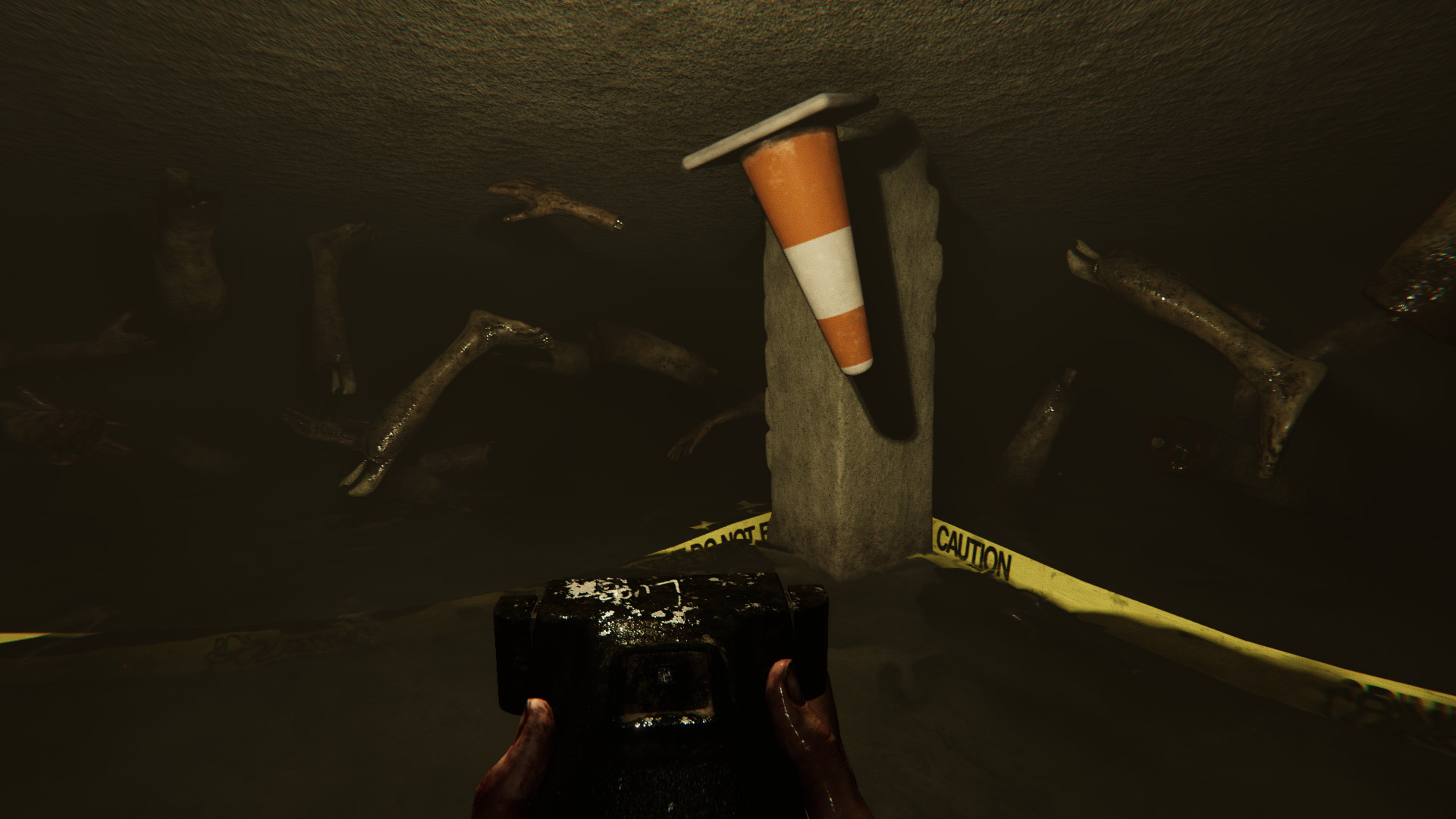
Puzzles ask the player to examine surroundings and determine how objects can be used. Luca can search through spaces, pick up elements and interact with them; finding an item is only part of the task, since the player must consider where it fits and what it changes. Photographs also contribute clues, but environmental objects provide another route through a puzzle. The game asks for close observation of rooms and their contents rather than combat skills or character upgrades. A detail may matter because of its relation to another object or because a photograph makes it newly significant. Players move between exploration and interaction, testing what can be handled and interpreting the response. These activities give the ritual a physical presence in the environment: progression involves engaging with the places Luca enters, not only learning story facts about the demon.
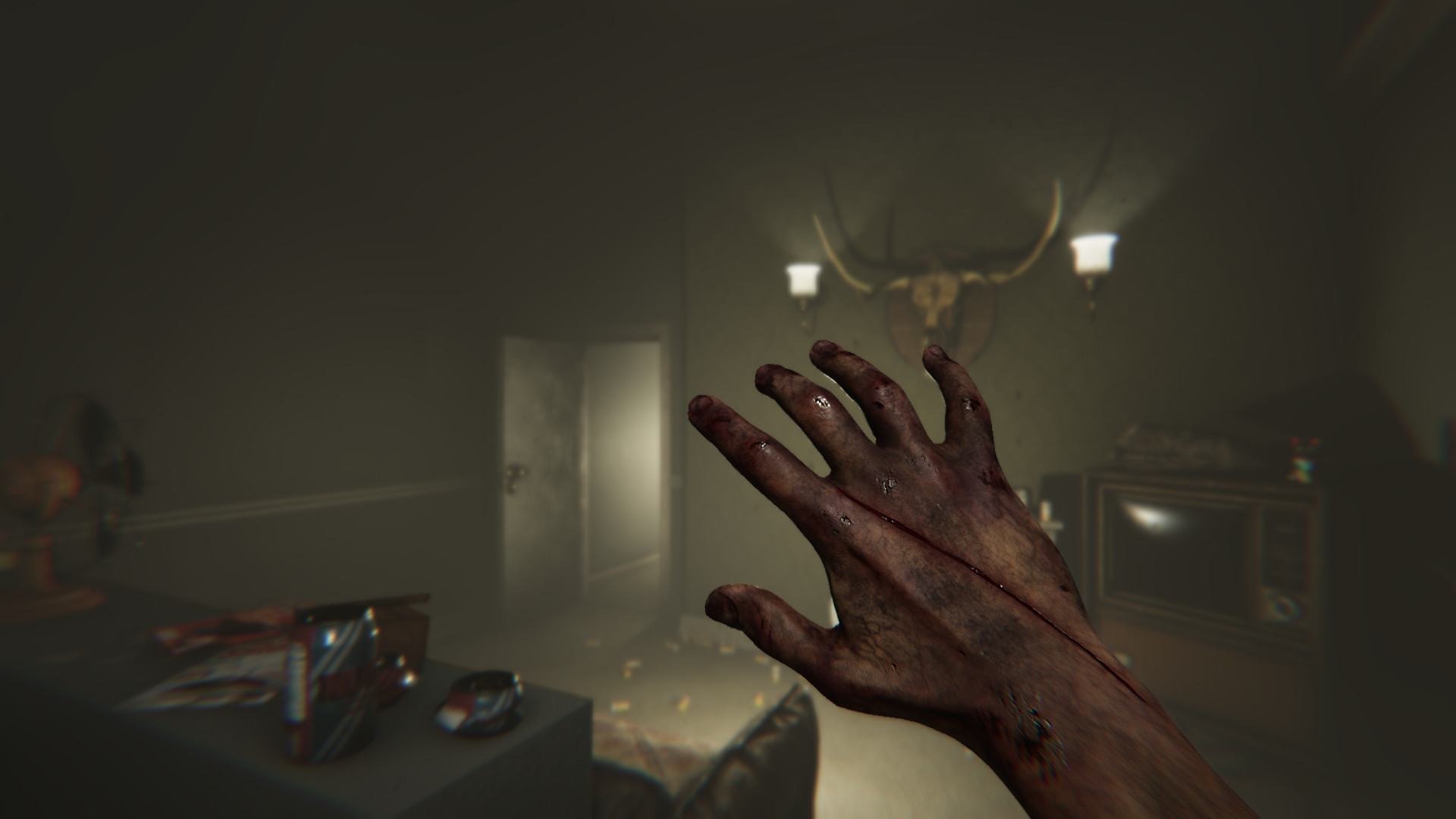
Survival is intertwined with that search. Luca must withstand entities while continuing to explore and solve problems, and care over each step matters because unwanted attention can make a situation more dangerous. The first-person perspective keeps the player close to what Luca can see, giving ordinary movement and inspection a vulnerable quality. The warning that he is not alone creates pressure even when no immediate confrontation is underway. Players still need to search for useful elements and interact with the surroundings, so hiding from the threat is not the whole activity. The camera belongs to this tension: it can help Luca survive his ordeal, while using it can also draw him further into the supernatural events. The player weighs continued investigation against the risks of remaining in a space, keeping the survival element active alongside puzzle-solving.
Events can activate randomly, and puzzles change during the game. These variations affect how encounters and problem-solving unfold, rather than replacing the central actions of exploration, photography and survival. A player may return to the same kind of task without seeing precisely the same event or puzzle arrangement, giving the journey a degree of unpredictability. The ritual supplies continuity while these local situations vary. This structure also means that attention to the present surroundings matters: remembered solutions may not tell the whole story of a changed puzzle. The camera remains a recurring tool, but the game’s variability prevents every moment from being reducible to one fixed image-taking routine. Instead, players observe the current space, respond to what has changed and continue Luca’s effort to endure the ritual.
The surrounding presentation supports a first-person psychological horror experience through detailed visuals and three-dimensional sound. Three-dimensional sound places disturbances around Luca as he explores, while the people he encounters bring their own disturbing histories into the mystery. Players encounter those histories while moving through the adventure and taking care not to attract unwanted attention. The result is a structure that combines a supernatural story with concrete actions: searching, picking up objects, interacting with the environment, taking and developing photographs, and surviving entities. The camera provides the clearest link between these strands, but it does not replace the other ways the player engages with the world. MADiSON remains centered on Luca and the decades-old ritual, with variable events and puzzles shaping how he faces the journey from one unsettling situation to the next.
- Developer
- BLOODIOUS GAMES
- Genre
- First-person psychological horror with exploration, puzzles and survival elements