
About Lost Records: Bloom & Rage
In 1995, Swann and her new friends spend a defining summer in Velvet Cove, forming a bond through conversation, a punk band and a camcorder. In 2022, the women reunite to face secrets tied to that summer. This two-part narrative adventure lets dialogue and actions shape relationships.
Lost Records: Bloom & Rage follows Swann, Nora, Autumn and Kat across two periods in their lives. In 1995, they are high-school girls spending a defining summer in the small Michigan town of Velvet Cove. Friendship, a punk band and an unexplained event shape the memories they create together. In 2022, the women reunite and confront the secrets that led them to promise they would never speak again. The story moves between the earlier summer and the later meeting, asking the player to assemble what happened and why the group has come together again. The account is split into two parts, both included in the full game.
The dual timeline gives the player two connected narratives to follow. The 1995 sections show the girls as they meet, form friendships and explore their town, while the 2022 sections return to the consequences of the past. Each period contributes information to a larger puzzle, though the game’s central event and its answers are left for the player to discover. Switching between the timelines is therefore a storytelling structure: one period can reshape how the other is understood. The reunion creates a present-day reason to revisit shared memories without reducing the story to a simple flashback. The player sees both the bonds as they develop and the distance that years have placed between the women.
Swann’s camcorder is a central tool for engaging with Velvet Cove. The player can film people, places and the surrounding nature, building a record of the summer. Recording can be done for its own sake, but it can also help uncover secrets tucked into the environment. This makes observation an active part of the experience: the player chooses what to capture and where to point the camera while exploring. The camcorder connects the act of making memories to the later story about what the group remembers and what remains unresolved. It gives the 1995 sections a hands-on activity that fits the characters’ age and summer setting while supporting investigation.
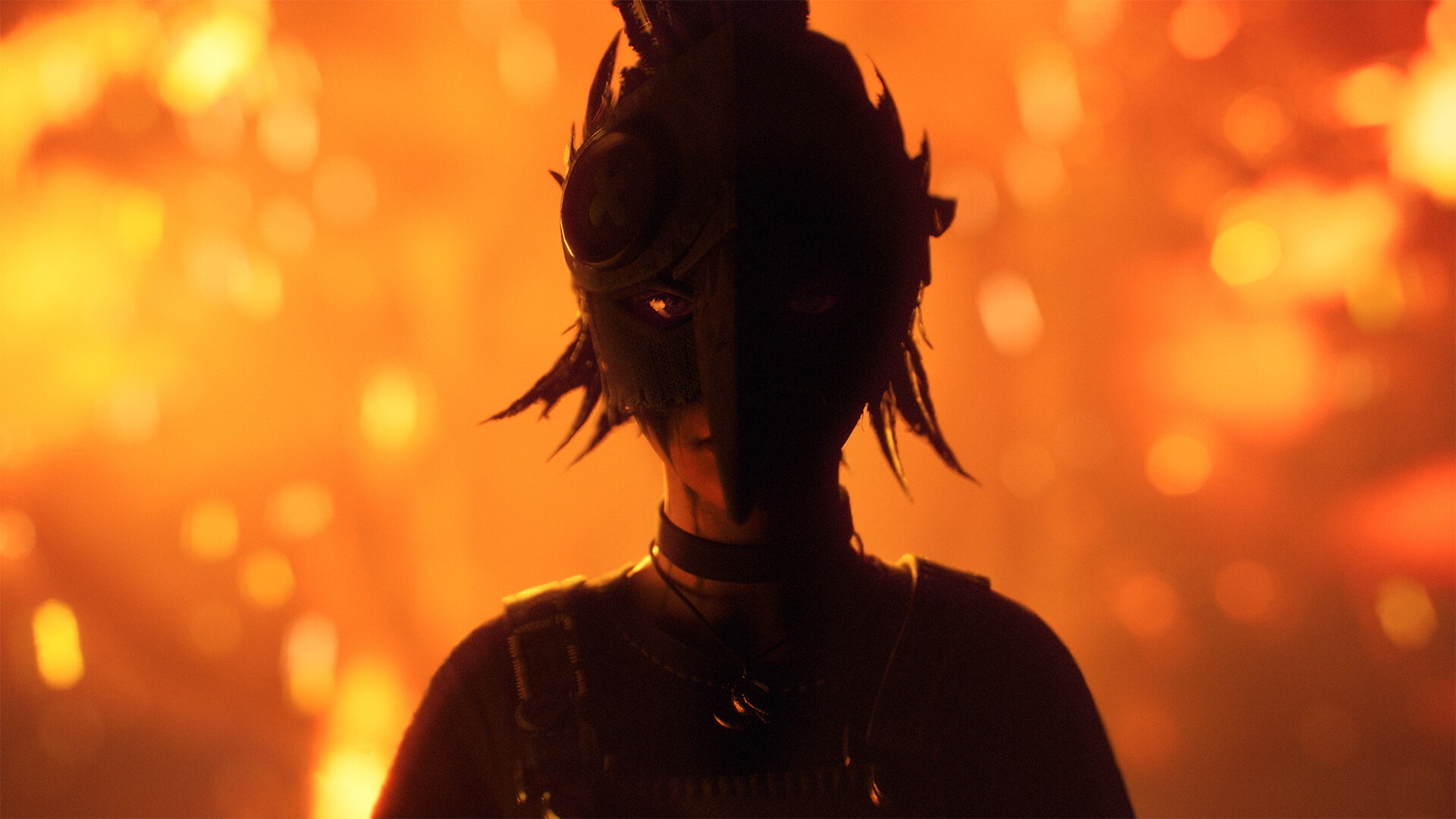
Conversation is shaped by both what Swann says and what she pays attention to. Dialogue responds to where the player looks and includes options to interrupt or ignore, giving exchanges a more immediate quality than selecting from a static list of questions. The interactions let the player decide when to speak, what to notice and how to respond to a friend. Those small choices contribute to the relationships between Swann and the others, rather than serving only to reveal information. The design asks the player to stay present during conversations and read the situation, since attention and timing are part of how an exchange unfolds.
Swann’s relationships with Nora, Autumn and Kat develop through actions and words across the summer. Each friend has her own life and struggles, so the group is not presented as a set of interchangeable companions. As Swann opens up and joins the others, choices influence how close those relationships become and how they feel after the passage of time. This personal dimension is paired with a broader mystery: the women are connected by an unexplained event and by secrets that continue to matter in 2022. The game leaves the player to interpret their history through scenes, dialogue and the changing shape of those bonds.
Velvet Cove provides the physical space for this summer of exploration. It is a seemingly quiet corner of Michigan framed by dense woods and serene lakes, with an atmosphere that balances the picturesque and the strange. The town’s natural surroundings give Swann places to wander and film, while the game’s description hints that beauty can sit beside unsettling discoveries. Its setting supports the tone of memory: a place can seem tranquil in the moment yet carry meaning when revisited years later. The dreampop soundtrack adds to that mood, combining nostalgia with a more ethereal quality as the story moves between friendship and mystery.
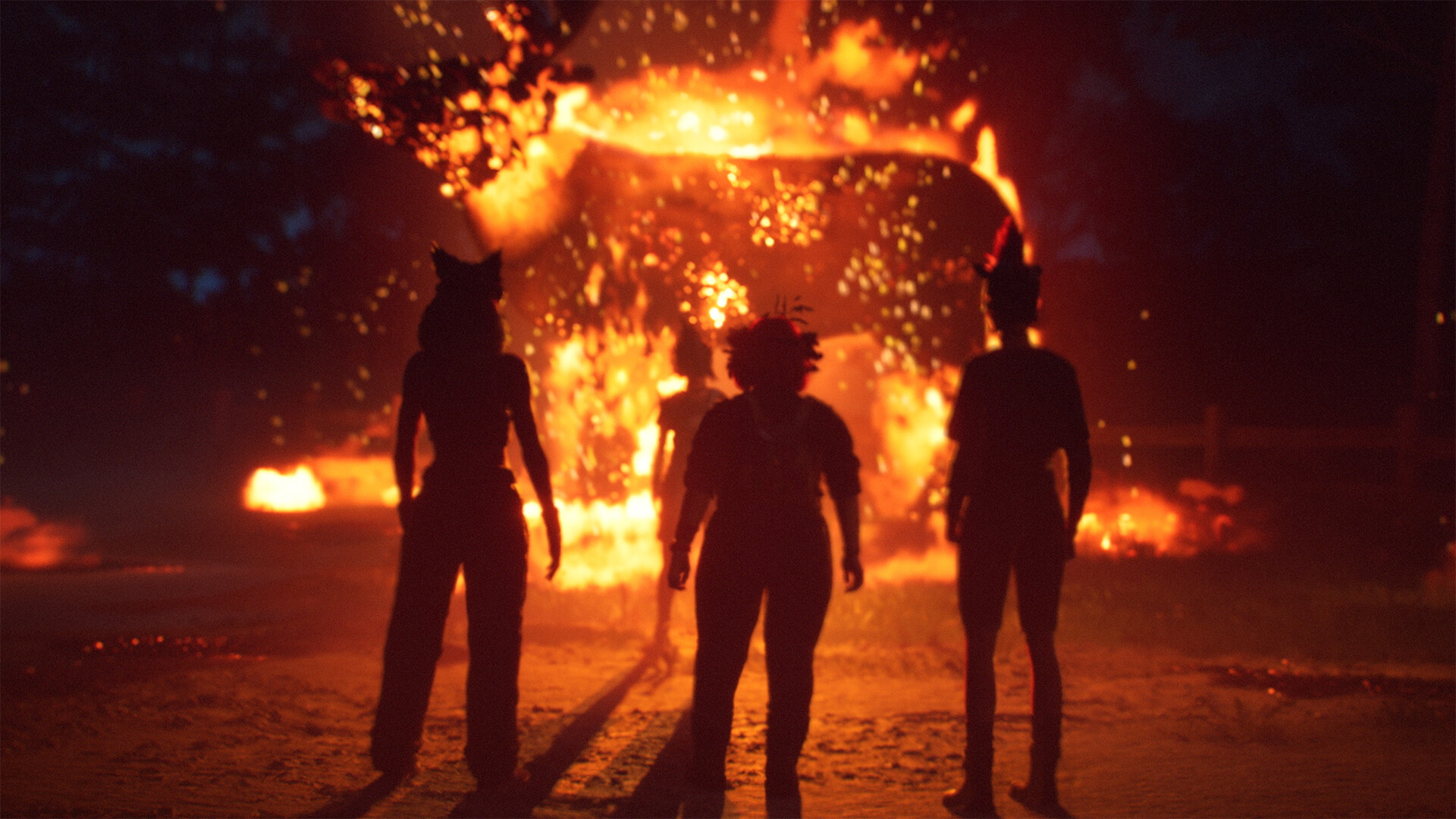
The two parts of the game shape its pace as well as its plot. The first timeline gives room to experience the girls’ summer and the beginning of their connection; the later timeline returns to the group after 27 years and places unresolved questions in the foreground. The player follows the characters through conversations, exploration and camcorder use, while the choices made in social situations influence the relationships at the center of the story. The game’s structure encourages attention to details that may matter across time, without asking the player to solve a conventional action challenge. Its focus stays on people, memory and the way a shared past changes when those who lived it meet again.
Lost Records: Bloom & Rage combines a coming-of-age story with a mystery that stretches across decades. The summer of 1995 supplies the friendships, places and recordings that form the group’s shared history; 2022 brings the women back to the secrets they left behind. Swann’s camcorder makes looking and recording part of play, while responsive dialogue lets the player shape how she participates in conversations. Relationship choices give the reunion emotional context, and the two-part structure lets the past and present inform each other. The game invites players to piece together the history of the four friends while deciding how Swann connects with the people who defined that summer.
- Developer
- DON’T NOD Montréal
- Genre
- Choice-driven narrative adventure