
About Like a Dragon: Pirate Yakuza in Hawaii
After a shipwreck leaves amnesiac Goro Majima on a remote Pacific island, he joins the boy who rescued him to search for his past. Their journey through Hawaii leads into a modern pirate conflict, combining two land combat styles, island exploration, recruitable crews, ship customization and cannon battles aboard the Goromaru.
Like a Dragon: Pirate Yakuza in Hawaii shifts Goro Majima from the familiar streets of the series into a modern pirate adventure. After a shipwreck leaves him on a remote Pacific island with no memory, including no recollection of his own name, he is rescued by Noah Rich, a local boy. The two set out to find clues to Majima’s past, but their search draws them into a contest over legendary treasure involving criminal groups and pirate crews. The setup gives the story two linked questions: what happened to Majima, and what kind of captain he will become while travelling with Noah. Its premise makes room for the series’ crime-drama connections while giving Majima a new crew and a seafaring role.
Rich Island establishes the partnership before the adventure broadens into Hawaii and the surrounding waters. Noah lives with his family on an isolated island whose residents rely on fishing; his father Jason runs its only bar. The setting is sparsely connected to Honolulu, and the arrival of pirates brings a strange outside world into this everyday community. As Majima and Noah leave the island, their route reaches places with sharply different purposes. Madlantis hides a vast entertainment district inside a cave among enormous tankers, with the Pirates’ Coliseum at its centre. Nele Island is a Palekana holy site where devoted Haku believers live alongside former yakuza volunteers. These locations make the treasure hunt cross communities with their own histories and interests, rather than treating the ocean as empty space between fights.
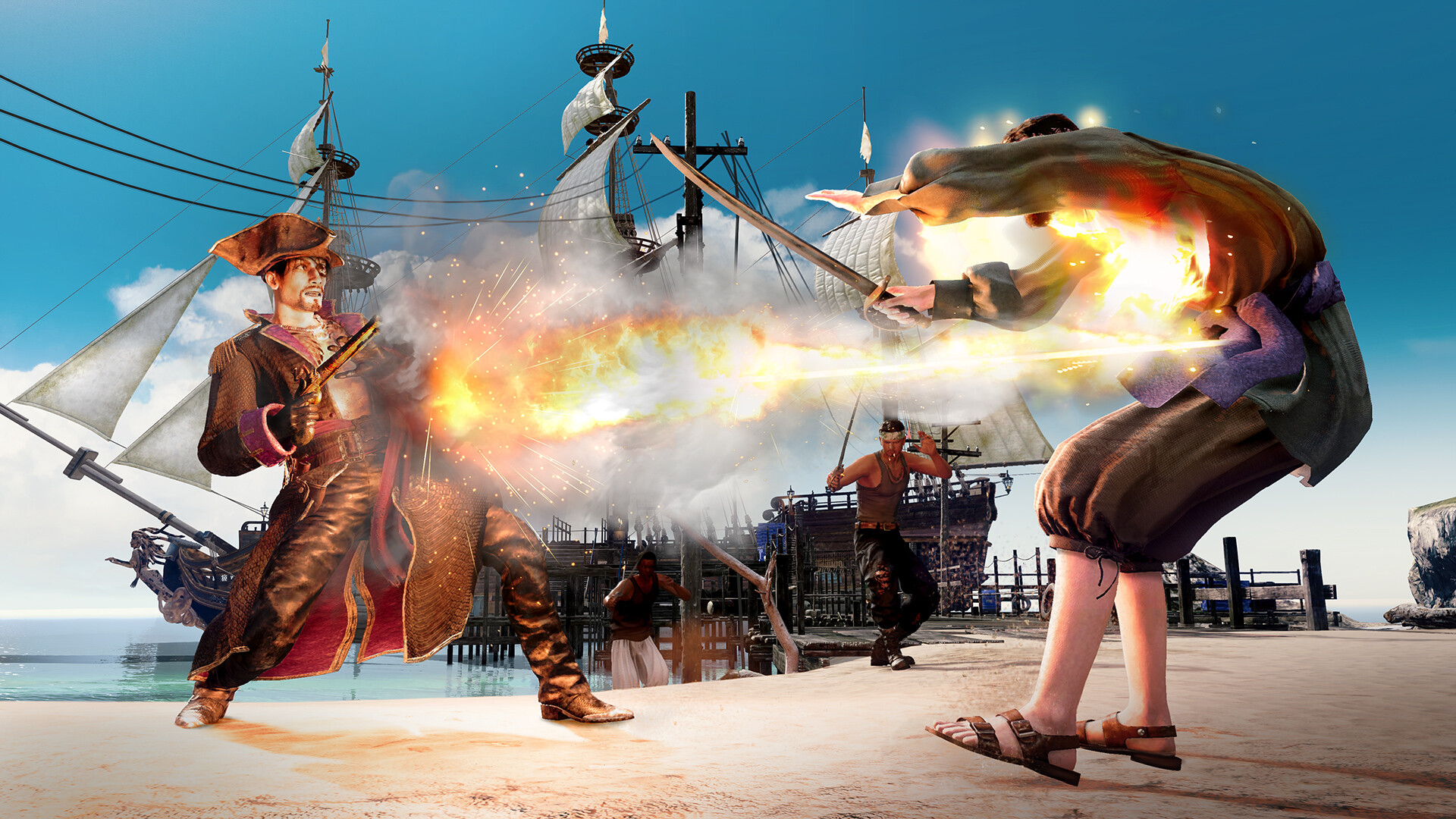
On foot, Majima uses two combat styles with different weapons and rhythms. Mad Dog is his fast, familiar approach, while Sea Dog equips him with a cutlass and pirate gear. Switching between them lets a fight move between quick strikes and swordplay as he faces groups of enemies. The chain hook also bridges combat and traversal: during street exploration Majima can fire it at designated points to launch himself toward otherwise unreachable places or pull in items. It can also catch bugs and fish for cooking. That combination makes the hook more than a battle accessory, because the same tool helps reach elevated spots and gather ingredients while exploring town. The game’s land activity therefore connects movement, collection and combat through an ability Majima carries between settings.
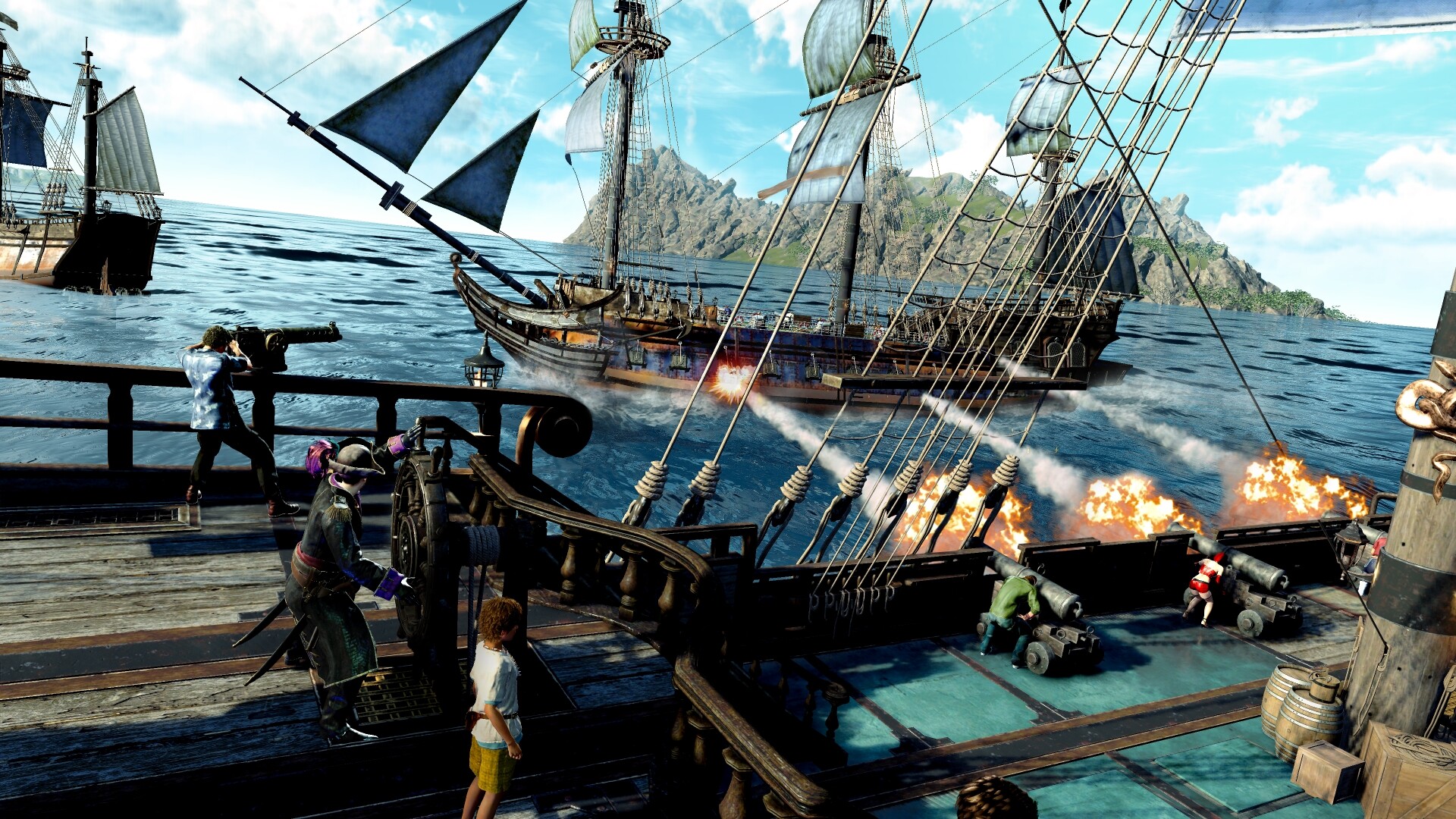
The Goromaru gives the story a mobile base and turns travel into a crew-management loop. While steering the ship across open water, players can discover lighthouses, treasure islands and other locations, while watching for marauders. A sea engagement begins with ship manoeuvres and cannon exchanges: avoid incoming fire, line up shots against an enemy hull, and weaken the vessel enough to board. The encounter then changes into a brawl where Majima and his crew fight for control. Crews can be assembled from more than a hundred recruitable seafarers, including people encountered around town, and their development matters alongside the ship itself. Players can train crew members and improve the Goromaru with stronger cannons, armour, designs and decorations. These choices feed into later naval battles, so preparation shapes both how the ship handles a fight and which allies join the boarding action.
Madlantis turns those battles into a repeatable competition through the Pirates’ Coliseum. Its naval matches range from one-on-one contests to chaotic encounters against nine other crews, with unusual themed opponents adding variety to the arena. Winning and finding treasure bring money and reputation; reputation raises the Goro Pirates’ rank and unlocks benefits that strengthen the outfit. Challenges such as defeating rival pirates or gathering treasure also contribute to that standing, while bounties provide another reason to pursue wanted criminals. The Coliseum is thus tied to the broader voyage: exploration yields leads and resources, the crew and vessel can be improved, and those upgrades support the next competition. It gives the pirate identity a progression structure with goals beyond following the main story from island to island.
Exploration around Hawaii has its own activities and character systems alongside the ship campaign. The chain hook opens routes and helps collect ingredients; Majima can cook dishes from materials found around town and on voyages, with different preparation actions and effects such as restoring health or Heat. Safehouses become available as the main story progresses and provide healing, item storage, outfit changes and access to other services. Materials also go to Julie’s Gearworks, where Majima can craft equipment including cannons and rings. Conversations with companions can develop into Drink Links, which strengthen bonds and improve allies’ abilities. On Rich Island, rescued animals can be brought to Goro Kingdom, an animal sanctuary Majima establishes. These connected systems give visits to land a practical role: they replenish resources, deepen crew relationships and provide upgrades for the next stretch at sea.
The main narrative sits within a wider collection of diversions across Honolulu and the coastline. The city brings back Dragon Kart, where players modify karts and race rivals, including battle-mode events that allow attacks with rocket launchers. Crazy Delivery turns food deliveries through busy streets into another score-oriented activity. Karaoke is available both on land and aboard the Goromaru, while the ship can also host crew parties and feasts. The variety places short, self-contained activities around the central expedition, offering a change of pace between story scenes and combat. The game’s structure moves among three connected scales: close-range brawling as Majima, exploration through Hawaiian neighbourhoods and islands, and ship-led encounters across open water. Majima’s search for his own forgotten past provides the narrative thread joining those modes.
- Developer
- RGG Studio
- Genre
- Action-adventure