
About Layers of Fear
The 2023 Layers of Fear is a first-person psychological-horror compilation built around three creators: the Painter, the Actor, and the Writer. Their stories, related chapters, and downloadable content connect through a shifting lighthouse frame, combining exploration and environmental puzzles with journeys shaped by artistic obsession.
Layers of Fear (2023) is a compilation identity: it brings together Layers of Fear, Layers of Fear 2, their released downloadable content, and new connecting chapters in a single package built with Unreal Engine 5. Its central figures are the Painter, the Actor, and the Writer, creators whose work and private lives become entangled with psychological horror. The package preserves the different settings and premises of the earlier stories while adding a frame intended to connect them. It is therefore broader than a remake of the Painter’s story alone, and the 2023 title should be understood as the collected experience of these separate works and additions.
The Painter’s story takes place in a Victorian mansion that changes as he explores it. He is an artist consumed by the attempt to finish a masterpiece, and the house presents personal objects and distorted environments that gradually expose his past. Exploration is first-person and driven by the rooms themselves: a corridor, painting, or familiar interior can take on a different appearance as perception shifts. The player searches for objects and memories, follows the route through the mansion, and works through environmental puzzles as the place changes around them. The narrative links this unstable architecture to the Painter’s fixation on his work, rather than treating the house as a neutral level to cross.
The included Inheritance chapter returns to the mansion from the Painter’s daughter’s perspective. Its subject is her childhood and the emotional history left by her father, and its memories reshape familiar rooms through a different point of view. The Final Note, a separate included chapter, presents the family’s collapse from the Painter’s wife’s perspective and adds information about devotion, resentment, and sacrifice. These components expand the story around the Painter without making them interchangeable: one follows the daughter’s return to a childhood home, while the other revisits the family tragedy through the wife. Keeping those viewpoints distinct helps the collection’s linked narrative add context without reducing every chapter to the Painter’s own account.
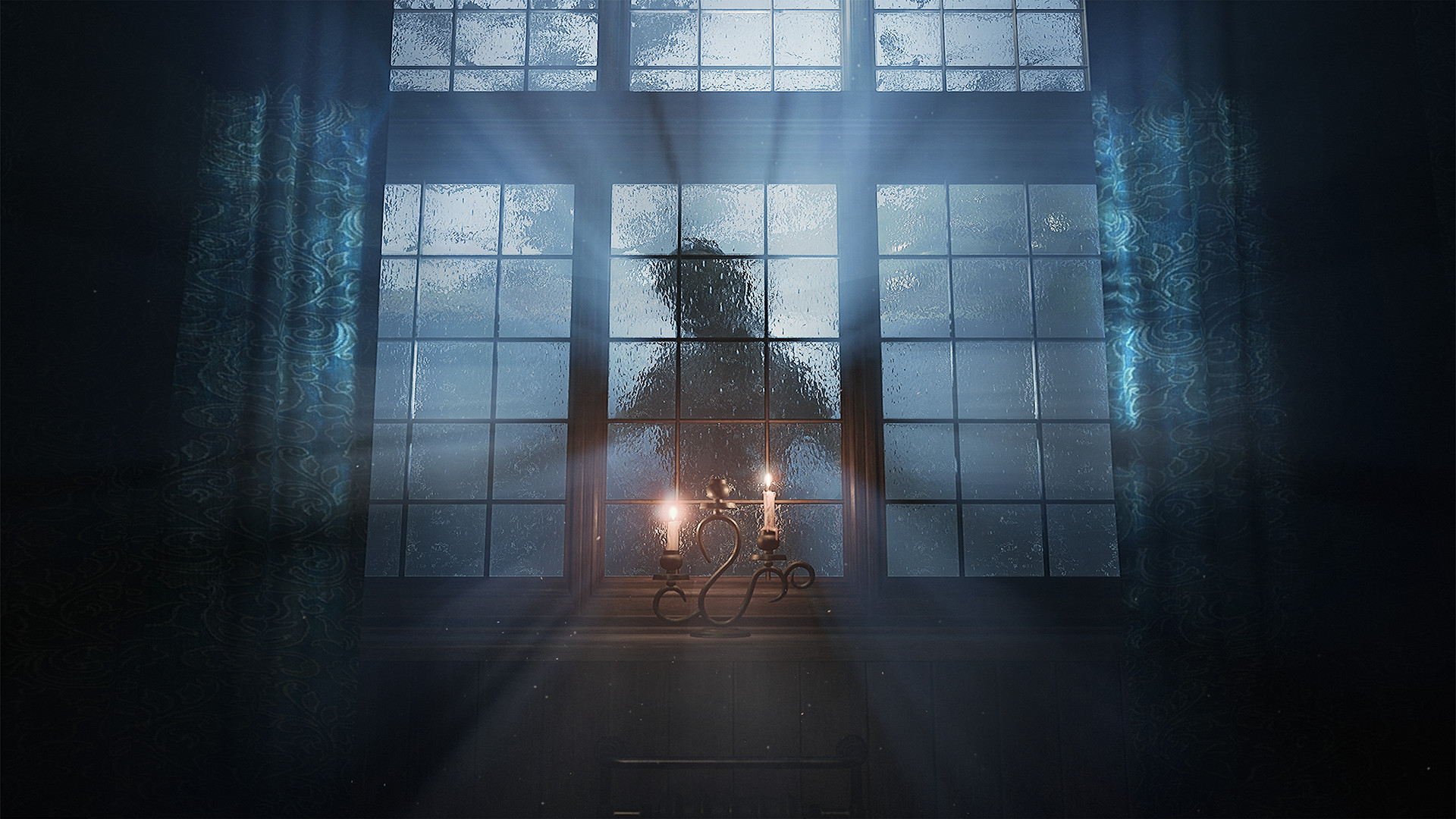
Layers of Fear 2 shifts from the mansion to an ocean liner and follows an Actor who accepts the lead role in a film. An unseen director gives him instructions, and the ship’s setting blurs the boundary between a production and the Actor’s experience of it. The player explores the vessel, encounters spaces arranged around performance, and follows the demands of a role whose meaning grows less stable as the story advances. The connection to the Painter is thematic rather than a shared protagonist: the Actor’s craft becomes its own source of pressure. His chapter gives the compilation another environment and a different form of artistic obsession, centered on performance, direction, and the question of what it means to inhabit a part.
The Final Prologue is a separate addition in which the player takes the role of the Director, trying to rescue a troubled production. It moves behind the camera and focuses on guiding cast and crew as the set gives way to disorder. This viewpoint supplies a production-side counterpart to the Actor’s story, while remaining a distinct chapter with its own premise. The Writer’s Lighthouse Chapter provides the collection’s connective frame: she explores an abandoned lighthouse, seeking to bring the stories into a final narrative and to uncover what lies behind them. The lighthouse is a place to investigate and a narrative hinge, linking chapters without making their settings or protagonists the same.
Across the package, the core actions are first-person exploration, environmental puzzle-solving, and following story details through spaces that can change or conceal what they mean. The player examines rooms, searches for objects connected to a character’s history or work, and moves onward by understanding what the environment presents. Psychological horror grows from the mismatch between a recognizable place and its altered form, as well as from each creator’s increasingly consuming relationship with a project. The structure gives each story its own local objective, then uses the Writer and lighthouse material to create a larger frame. It is a narrative adventure built around looking, interpreting, and progressing through carefully arranged environments rather than a combat-focused action system.
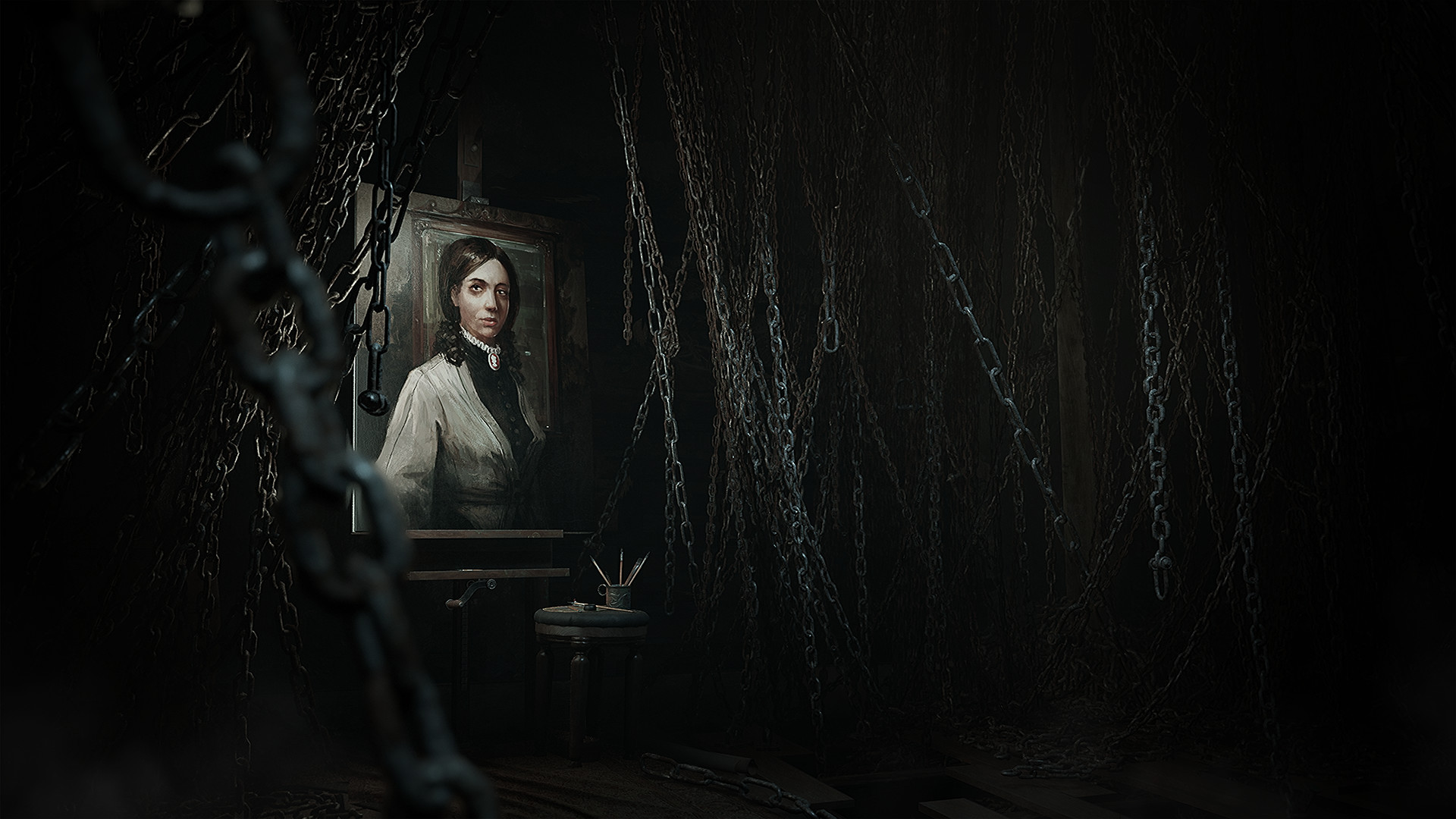
The collection also includes the game’s released DLC, so its broader family history includes perspectives beyond the Painter, Actor, and Writer. Inheritance follows the daughter; The Final Note follows the wife; The Final Prologue follows the Director. Those chapters add distinct angles and events, while the Lighthouse Chapter gives the Writer the task of drawing the strands together. The three main creators remain the clearest guide to the whole: the Painter works toward a masterpiece in a shifting home, the Actor faces a role aboard a ship, and the Writer searches a lighthouse for the connections between them. Their craft gives the horror a different shape in each setting.
Layers of Fear (2023) suits a player who wants a story-led, first-person psychological-horror experience built around atmospheric exploration and puzzles. Its premise and progression unfold through several linked but recognizable chapters, and the collection’s scope matters: the 2023 package includes both earlier main stories, released DLC, and new material. Instead of following one continuous protagonist through one location, it asks the player to experience the Painter’s mansion, the Actor’s ocean liner, the Director’s troubled set, and the Writer’s lighthouse framework as parts of a larger whole. Each environment makes artistic ambition physical, while the shifting spaces turn exploration into a way of uncovering how the stories fit together.
- Developer
- Bloober Team and Anshar Studios (co-developers); Bloober Team SA (publisher)
- Genre
- First-person psychological-horror narrative adventure with exploration and environmental puzzles