
About Last Stop
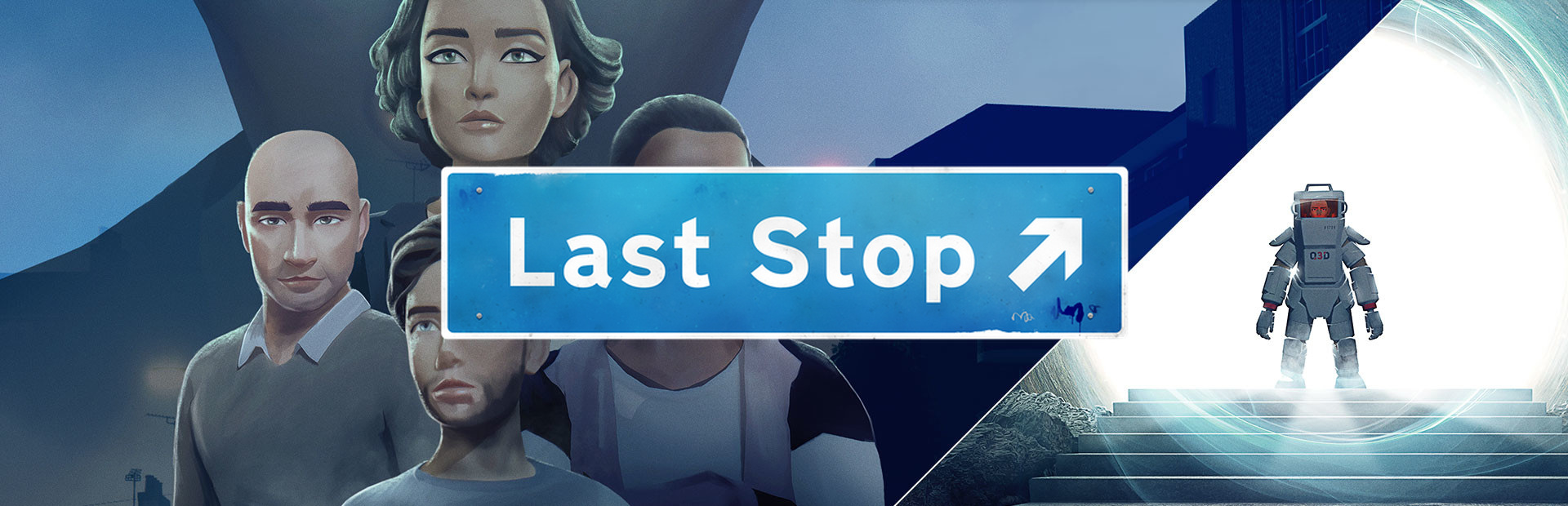
Three Londoners lead separate lives until strange events begin drawing them together. Donna's amateur investigation goes wrong, single father John encounters a cursed object, and ambitious Meena discovers trouble beneath her workplace. Last Stop follows their intersecting stories through conversation choices, third-person scenes and small interactions rooted in each character's ordinary routine.
Last Stop begins with three London lives that seem to belong to different kinds of story. Donna is a teenager impatient with a restrictive home and an overprotective older sister. Escaping with friends Becky and Vivek leads the group into an amateur investigation that becomes much more serious when they accidentally take on the role of kidnappers. John is a middle-aged single father worn down by work and debt, looking enviously at the apparent freedom of his younger neighbour Jack. A confrontation with a stranger and a cursed artefact threatens to make that wish disturbingly literal. Meena has a family but finds the momentum of her career easier to pursue than comfort at home. She is competing for a promotion while something old and inexplicable stirs beneath her workplace. None of these people begins as a trained investigator of the supernatural. Their relationships, frustrations and routines are already under strain when the impossible enters their day. That is why the game's shift from domestic drama to science-fiction mystery has something to unsettle. An uncanny event does not replace an ordinary problem; it makes it harder to avoid.
The three strands have different names and dramatic temperaments. Donna's Stranger Danger story draws on teen suspense as she and her friends try to understand the consequences of their curiosity. John's Paper Dolls story uses an almost comic premise about identity and envy to test the responsibilities he cannot step away from. Meena's Domestic Affairs story is closer to a tense workplace and family drama, with her professional ambition rubbing against obligations she has been treating differently. Last Stop lets the player inhabit each protagonist rather than watching one lead collect reports about the others. Their stories unfold in a shared fictional borough of London. A street encountered on one character's journey can reappear in another's, and a supporting person in one strand may have an ordinary connection to someone elsewhere. The overlap gradually gives shape to a larger supernatural thread. Variable State's directors have said the borough and the London Underground became central enough to the project that even its title changed as the three stories developed. The urban setting is not merely a background postcard: neighbours, work routes and school contacts create the web through which apparently isolated lives begin to meet. The perspective shifts also make coincidence legible. Donna's mother teaches Meena's son, for example, a connection that exists before either central plot has reason to announce itself. One protagonist may be a passing figure in another person's scene. These crossings are small enough to belong to an ordinary city, then gain significance when the supernatural pattern grows clearer.
Conversation is the main form of play. The player selects responses for Donna, John or Meena and hears them performed by a fully voiced cast. These choices matter most as roleplay: they reveal how a particular person handles fear, irritation, temptation or an awkward encounter. A spoken line can be remembered locally by someone in the scene, yet the game is built around a set sequence of interconnecting stories rather than an endlessly branching simulation. Its directors have been explicit that significant ending choices are concentrated later, not calculated from a hidden sum of every remark. That distinction changes how an ordinary exchange should be approached. Choosing what John says to a colleague is an opportunity to inhabit his weary perspective, not a request to optimise an invisible global score. Dialogue also keeps the contrast among protagonists sharp. Donna's conversations are shaped by friendship and a desire for freedom, John's by parenting and a disorienting change to his life, and Meena's by the professional control she tries to maintain. As the larger mystery grows, the player understands it through three people who do not all possess the same information or make sense of events in the same way.
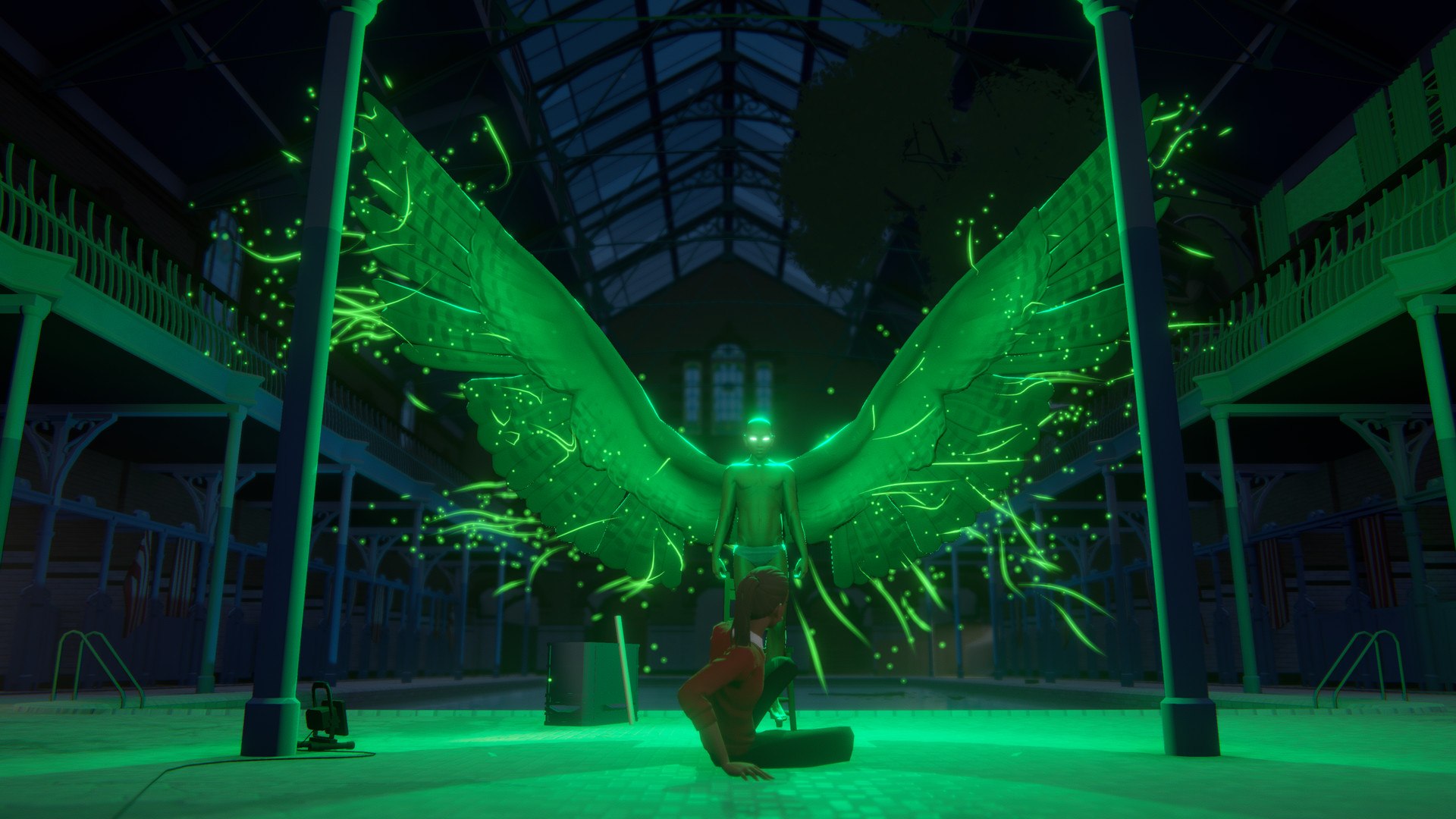
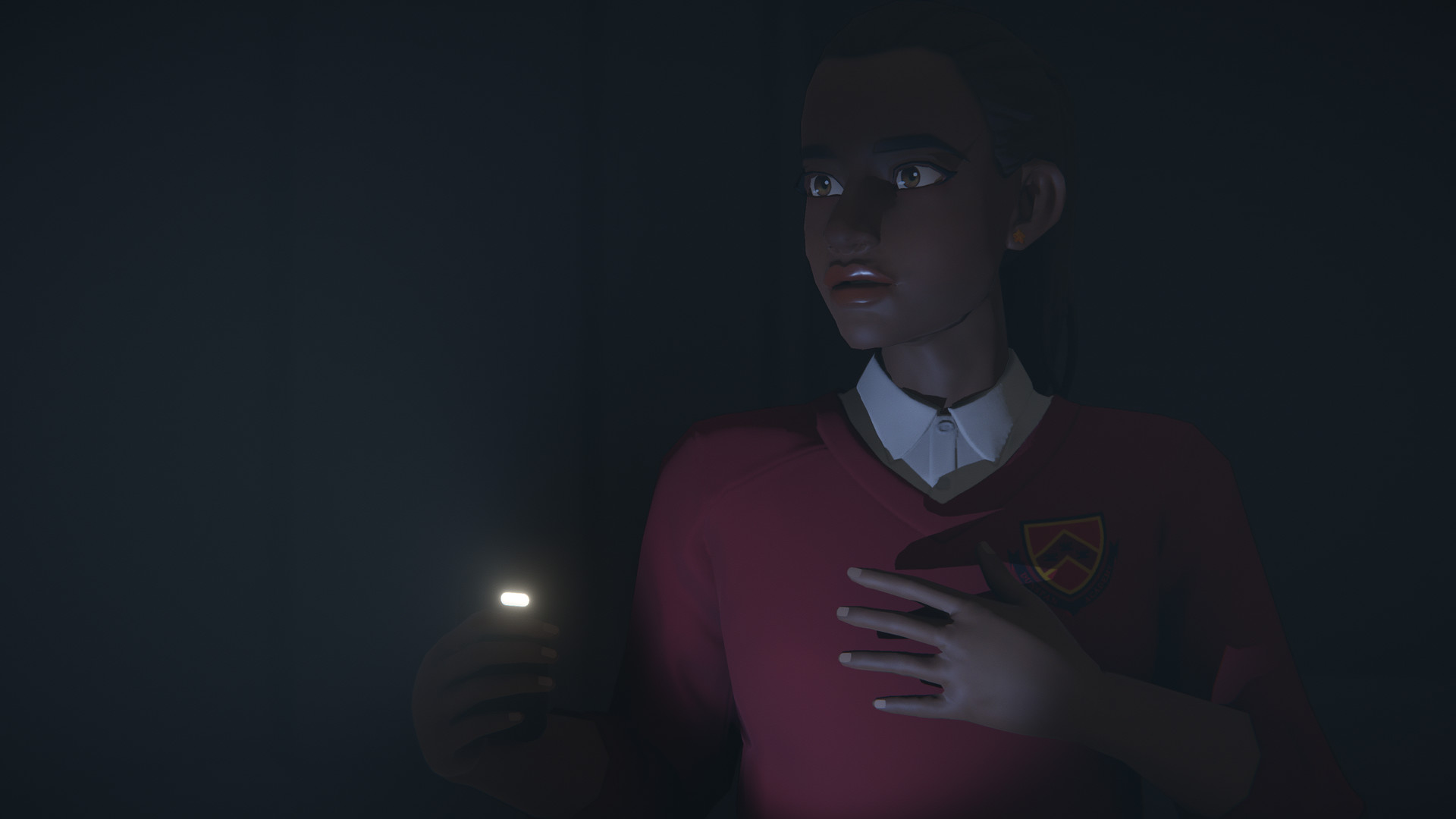
Movement and contextual actions support those conversations. Last Stop is a third-person adventure, with the player walking through streets, homes and workplaces as the current protagonist rather than navigating a large freely explorable city. Its camera often guides attention through a location without demanding a trail of waypoint icons. Framing can put distance between people, bring them uncomfortably close or draw the eye toward the next place a character needs to reach. Small interactive sequences interrupt the dialogue at moments tied to someone's circumstances. One routine task gives a sense of John's monotonous work; looking through material on a phone can disclose a relationship that a direct conversation has left unexplained. The creators have described these actions as ways to reveal character, not as standalone tests of dexterity or elaborate puzzle rooms. Their limited scale is part of the game's dramatic rhythm. A mundane task may seem insignificant beside an otherworldly incident, yet it establishes what the protagonist stands to lose when that incident disrupts their life. There is no conventional combat loop or equipment build hidden behind the supernatural premise.
Variable State had previously made Virginia, a first-person story told without spoken dialogue. For Last Stop the team deliberately changed perspective, cast actors and wrote three speaking protagonists. The directors have explained that a third-person camera could show the characters in relation to their environments and to each other, while conversation could give the cast nuances that silence alone could not. This approach gives each strand a different feel without making them separate games. Donna's mystery can play with teenage horror, John's increasingly strange domestic situation permits comedy alongside anxiety, and Meena's strand leans toward workplace intrigue. A fully voiced ensemble carries those tonal changes, while Lyndon Holland's score follows them. The original music was performed by the Prague Philharmonic Orchestra; its shifts between the strands help make a return to one protagonist feel like entering a different chapter of a shared television drama. The stylised London setting and cinematic editing keep the mundane world recognisable even as impossible events become harder to explain away. The presentation invites attention to expressions, timing and what someone chooses to leave unsaid. Rather than use one continuous visual tone for all three stories, the directors borrowed different cinematic languages for each strand. Their stated references include teen horror for Donna, a heist-like sequence for John and spy drama for Meena. The camera and score help the player recognise which emotional register a chapter is entering before its mystery has been resolved.
The game's interconnected design asks the player to hold three incomplete accounts of the same growing crisis. Donna may see an incident as a threat to her friends, John as another blow to his fragile home life and Meena as an intrusion into the order she has built around work. Recurring streets and secondary characters provide small signs that the strands are not sealed off from one another. The player can notice a connection before the people involved have any reason to understand it, then revisit that impression from another perspective. This is where the anthology form does more than multiply protagonists: each chapter lends meaning to details glimpsed elsewhere. The later convergence belongs to the story itself and does not need to be disclosed to explain its structure. Developed by Variable State and published by Annapurna Interactive, Last Stop released in 2021 for PC, Nintendo Switch, PlayStation and Xbox systems. It is a single-player, conversation-led experience whose occasional interactions serve the three characters' lives. The central curiosity is how a supernatural crisis changes the meaning of their everyday choices and eventually draws three apparently independent stories into the same London mystery.
- Developer
- Variable State
- Genre
- Third-person narrative adventure