
About Kholat
Kholat is a first-person exploration adventure in the winter Ural Mountains, inspired by the Dyatlov Pass incident. Search a nonlinear wilderness for clues about the missing hikers, using a map and compass to navigate as narration, environmental discoveries and unsettling events shape an open-ended mystery.
Kholat is an exploration adventure with horror elements set in the snowy Ural Mountains. Its point of departure is the Dyatlov Pass incident, the 1959 disappearance and deaths of nine hikers in the region. The game uses that real event as inspiration for a fictional mystery rather than presenting itself as a historical reconstruction. A first-person journey through an inhospitable landscape puts the player in the role of an investigator trying to learn what happened. The search leads through a broad, nonlinear area where the route is not laid out as a conventional series of marked objectives. The uncertainty of the real-world case informs the game’s atmosphere, but the events encountered in the game belong to its own constructed story.
Navigation is a central part of the experience. The player has a map and compass, tools that help orient a journey through the mountain environment without turning the landscape into a guided corridor. Looking at the map, checking direction and comparing the instruments with visible terrain are part of moving between points of interest. The open-world structure means the player must make route decisions and judge where to search next. There is no need to assume that every clue will be found in one prescribed order. Instead, exploration depends on understanding the terrain and using the available navigation tools. The setting’s scale can make a destination feel remote, while snow, darkness and uncertain landmarks contribute to the impression of being far from safety.
The search for evidence gives structure to movement through the wilderness. A central storyline sits alongside background details, so the investigation can include both direct leads and context about the region. Finding information adds pieces to the larger question without necessarily resolving every ambiguity. This approach fits the incident that inspired the game, which generated many unconfirmed explanations. The player can compare discoveries and consider how separate details might relate. Environmental exploration and narrative investigation are closely connected: reaching a place matters because of what it may reveal, and learning more can influence where the player chooses to go next. The story’s open form leaves room for uncertainty as the journey continues.
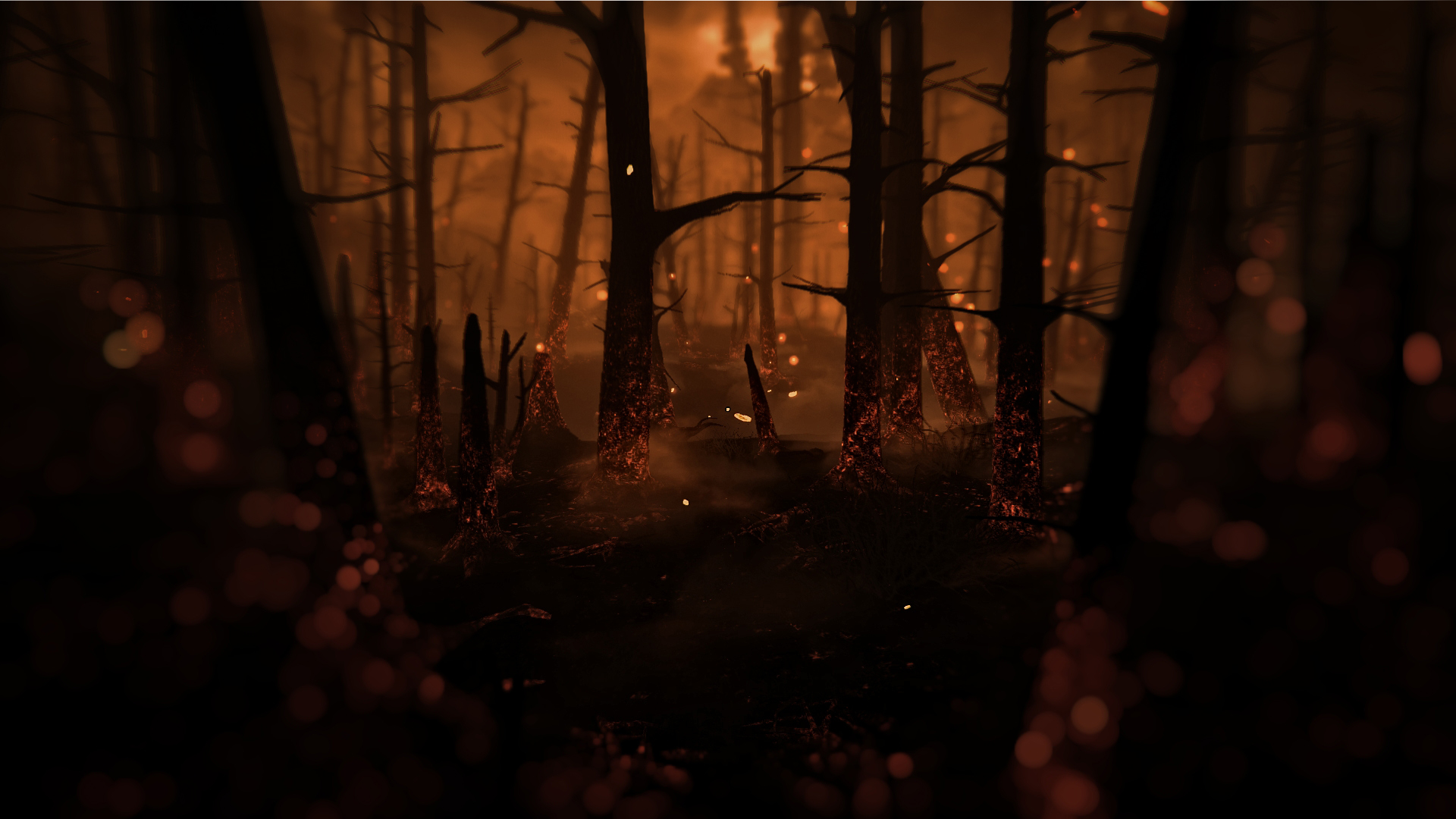
Sean Bean provides the game’s narration, framing the expedition and adding a spoken layer to the player’s investigation. His voice is a narrative presence rather than a playable companion who can solve the route or remove the need to explore. The combination of narration and field discoveries gives the story two ways to reach the player: spoken passages provide context, while places and collected information supply details encountered directly during the search. That separation helps preserve the feeling of piecing together a mystery. The player still has to navigate, notice relevant discoveries and build an understanding from what the journey makes available. Narration supports the atmosphere and storyline without converting the landscape into a sequence of straightforward explanations.
Horror in Kholat is built around isolation, uncertainty and the harshness of the setting. The player travels through a mountain wilderness associated with a fatal expedition, and the game’s sound and music contribute to its unsettling tone. Exploration can feel exposed because the environment is large and navigation requires attention. As the investigation proceeds, strange events and story material raise questions about what is happening in the present as well as what took place in the past. The supernatural and speculative events belong to Kholat’s fictional story; they do not establish a factual explanation for the real hikers’ deaths. Instead, the game draws on the uncertainty surrounding the incident to create an original horror adventure in a remote winter landscape.
The nonlinear structure gives the investigation room to unfold at different speeds. A player may choose to pursue a visible destination, follow a lead suggested by a discovery or spend time understanding the surrounding landscape before moving on. That freedom gives the story a less orderly shape than a sequence of missions, and it can leave some questions open while attention turns elsewhere. A central story thread sits alongside background plot and contextual details, so discoveries contribute to the player’s picture of events without obliging them to fit one immediate explanation. This structure suits a mystery built from speculation. The open world lets the investigation feel like a personal search across a dangerous region, with the player deciding how to approach its many details.
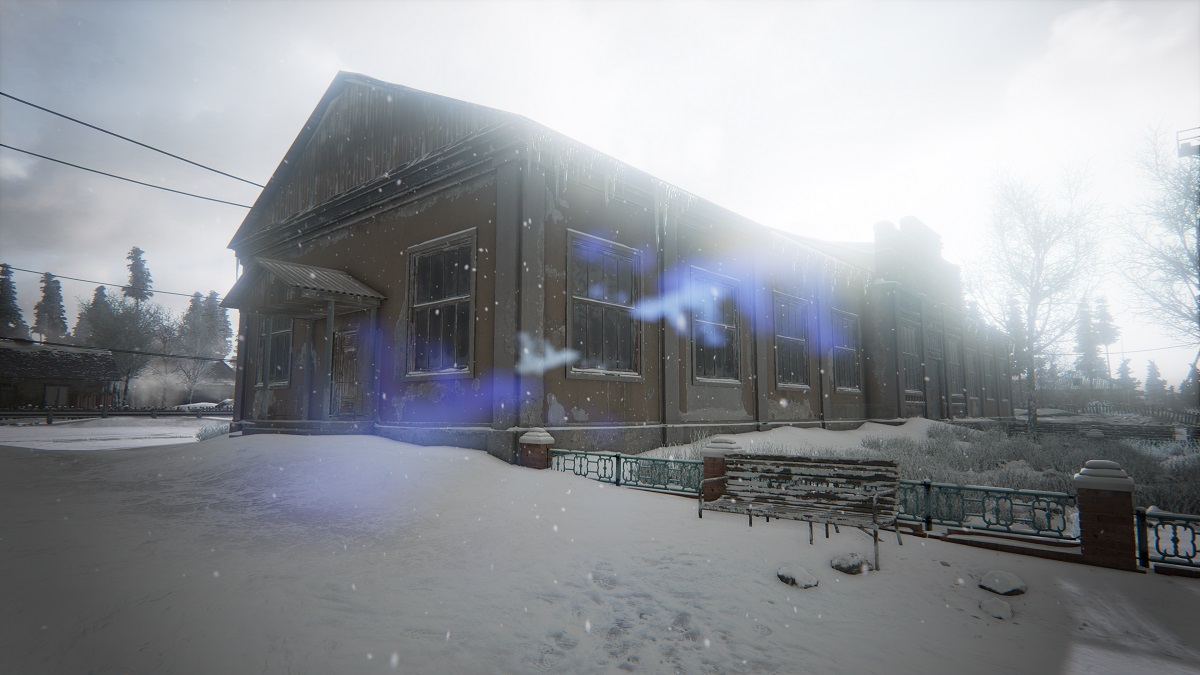
Kholat is a single-player adventure focused on exploration, environmental tension and narrative discovery. Its central premise asks the player to investigate a mystery inspired by the Dyatlov Pass incident, while its mechanics emphasize traveling through an open winter landscape with a map and compass. The experience is narrated by Sean Bean and draws on the contrast between the beauty of the Ural scenery and the danger associated with the expedition. The 1959 deaths of nine hikers provide the historical starting point, while the mystery Kholat builds around them remains fictional. Its unsettling events and competing speculations add to the story without claiming to resolve what happened to the real expedition.
- Developer
- IMGN.PRO
- Genre
- Exploration adventure with horror elements