
About Jusant
Jusant is an action-puzzle climbing adventure about ascending a colossal tower in a world shaped by the loss of water. Move hand by hand, manage stamina and rope tools, and travel with Ballast, a companion who helps uncover clues to the tower’s past. Changing environments, alternative routes and quiet discoveries shape the climb.
Jusant places a lone climber at the foot of a tower that rises far beyond the surrounding landscape. The structure is a remnant of a civilization whose history has been left among its rooms, paths and abandoned spaces. The route is upward, but the tower is not presented as one continuous wall: ledges, passages and openings make the ascent a series of connected climbs and discoveries. The game frames that journey as an action-puzzle adventure, with the player deciding how to negotiate the rock and where to look for traces of earlier life. Ballast, a mysterious creature made of water, accompanies the climber. Their shared journey supplies a quiet thread through a setting where the traces of a vanished society and the natural world now occupy the same immense structure.
Climbing is controlled through the climber’s separate hands. The player reaches for holds and releases one hand at a time, choosing where to place each grip rather than simply holding a direction to move along a fixed path. Gaps can call for a jump, and a double jump can extend that movement by pushing away from the wall. The climber can also grip many surfaces beyond the most obvious route markers, so a marked anchor is a guide rather than the only possible way upward. Looking across a wall for another ledge, opening or handhold can reveal a different line through the same area. Movement therefore combines reading the rock face with making deliberate hand placements, and each climb asks the player to balance a direct ascent against the reachable alternatives around it.
Stamina gives each stretch of climbing a resource to manage. Moving drains the meter, while jumping also reduces its maximum for the remainder of that climb; stopping to rest restores stamina only up to the current maximum. A player who spends jumps freely can therefore leave less reserve for the next section, while a pause on the wall can recover what remains available. The rope and carabiner provide another layer of control. Story-route climbs establish a tether point, and the climber carries pitons that can be attached to suitable walls to create additional anchors. Those points limit how far a fall can carry the climber and can support deliberate drops or a rope-assisted wall run to a new position. Pitons used during a climb return when stable ground is reached, making them tools for securing the current ascent rather than permanent inventory items.
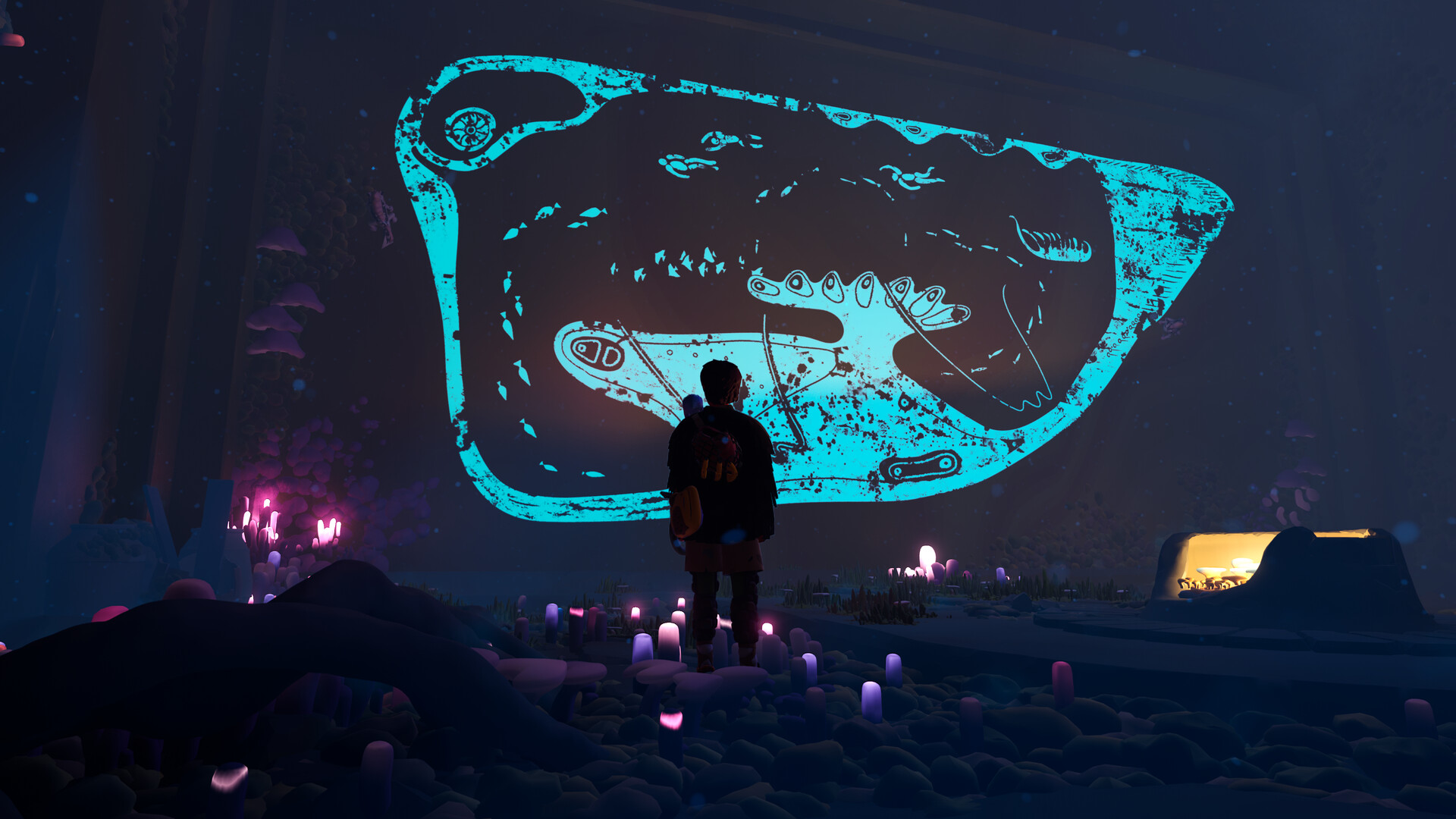
The climb also includes environmental mechanisms that require a different action from placing hands on rock. Cranks and altars are operated through a held interaction, and the game offers a simplified interaction option that removes the need to keep that input held. Some sections also use relays and ziplines: relays are environmental interaction points, while zipline passages connect climbing to movement along installed rope. These features make the tower’s built systems part of its traversal vocabulary alongside handholds, anchors and pitons. The immediate task can shift from choosing a grip to operating a mechanism or following a prepared line through a section. The player continues upward by combining climbing tools with the structures encountered along the way.
Ballast is both a travelling companion and part of the tower’s interaction system. The creature can awaken nature along the climber’s path, and its connection to the tower helps expose clues about the place and its former inhabitants. Later, Ballast’s Echo ability can indicate the approximate direction of an objective, hidden items or points of interest. The signal does not replace looking around: it gives the player a broad lead, while reaching a clue may still require spotting a recess, climbing to a ledge or finding a way into a tucked-away room. Ballast’s presence links exploration to the world itself, as natural growth and other signs of life appear in a structure marked by absence. The pair move together through the ascent, with the companion helping the climber interpret a tower that reveals its history indirectly.
Each biome changes the visual and physical character of the climb. The tower includes arid, windy slopes and tunnels illuminated by bioluminescence, alongside environments with distinct flora and fauna. Its design moves between exposed faces, sheltered passages and spaces where the surrounding nature becomes part of the view. Wind and exposed terrain contrast with a dark tunnel, while glowing interiors bring the player close to the rock and the life within it. The environments frame the route, hide places to inspect and give the climber new conditions to read. As the ascent proceeds, those shifts keep the tower legible as a collection of places with their own atmosphere and obstacles rather than a single repeated cliff face.
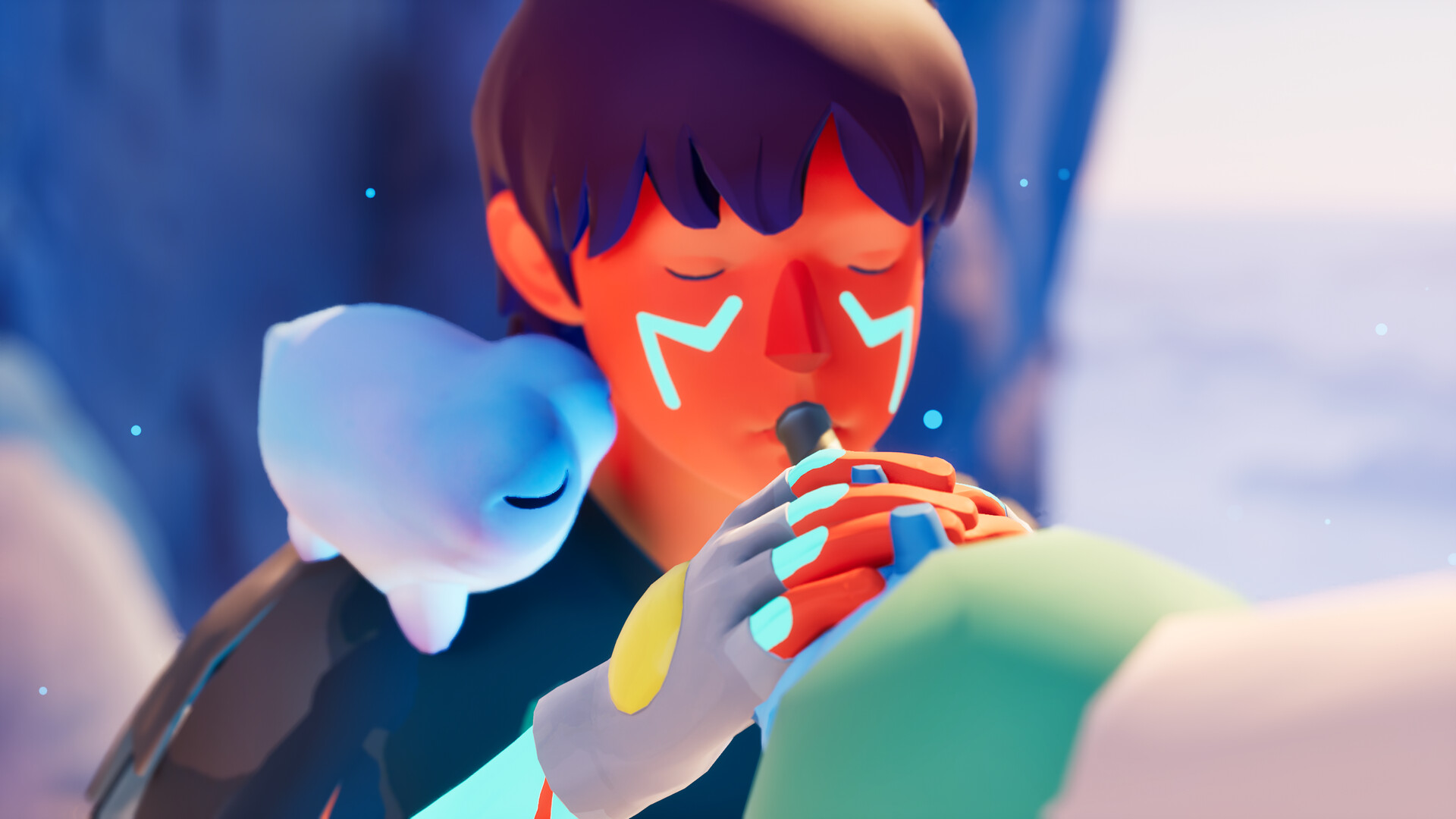
Jusant tells its story without spoken dialogue, asking the player to piece together the tower’s past through clues found along the way. Hidden elements and points of interest can sit beyond the obvious route, so exploration means looking into side passages and checking ledges that might otherwise be passed on the way up. Some discoveries involve puzzles of their own, joining observation with the same careful movement used for climbing. The story remains open to the player’s attention: following the main ascent reveals the broad journey, while detours can add context about the people who once inhabited the tower. The game also includes options intended to make its movement more accessible, including a simplified climbing mode, jump assistance and a setting that removes stamina. These choices support different approaches to the climb while keeping the central task—finding a way higher—at the heart of the experience.
- Developer
- DON’T NOD
- Genre
- Action-puzzle climbing adventure