
About INFRA
INFRA follows a structural analyst sent to inspect damage in Stalburg. A routine survey becomes a journey through failing infrastructure and a civic mystery. Explore industrial and urban spaces, use a camera to examine the surroundings, solve mechanical and electrical puzzles, and weigh professional duty against personal survival in this first-person adventure.
INFRA puts the player in the role of a structural analyst sent to inspect damage in Stalburg. The assignment sounds ordinary: inspect sites, document what is wrong and report findings. The work soon becomes harder to separate from personal safety as neglected structures create hazards along the route. What begins as an inspection broadens into a mystery about how the city reached this condition and who bears responsibility. Damaged buildings, utility systems and public works are both obstacles and evidence. The analyst’s practical perspective keeps the story grounded in the places that need attention and the consequences of leaving them in disrepair.
The first-person journey spans roughly fifty maps, from industrial facilities and tunnels to civic buildings and other infrastructure. Each location has its own layout, routes and practical problems. Progress depends on reading the environment, noticing access points and working out where a path continues. There is no combat-focused arsenal to clear the way. Instead, the player navigates the physical layout, searches for workable solutions and deals with dangerous conditions created by decay. Some areas reward looking beyond the most direct route, where hidden spaces and details add context to the survey. The architecture makes careful movement part of the investigation and gives the city’s many systems a physical presence. Some maps are short enough to focus on a particular problem, while others invite a longer look at the architecture and systems around it. That range lets the survey shift between close inspection and extended navigation without changing the analyst’s purpose. Routes and hidden areas can reward curiosity, but the player still has to make sense of the structure in front of them rather than rely on a single repeated solution.
A camera is one of the analyst’s central tools. It gives the player a reason to look closely at structural damage and the details encountered during the survey. A room’s arrangement, the condition of equipment, or an object left behind can suggest what happened there and how the place fits into Stalburg. Records and environmental clues add further pieces to the picture. Information is distributed across locations, so observation supports both navigation and understanding the city. Pausing to examine a space can be as useful as finding the next route through it; the camera reinforces the role of someone whose job is to notice what others might pass by.
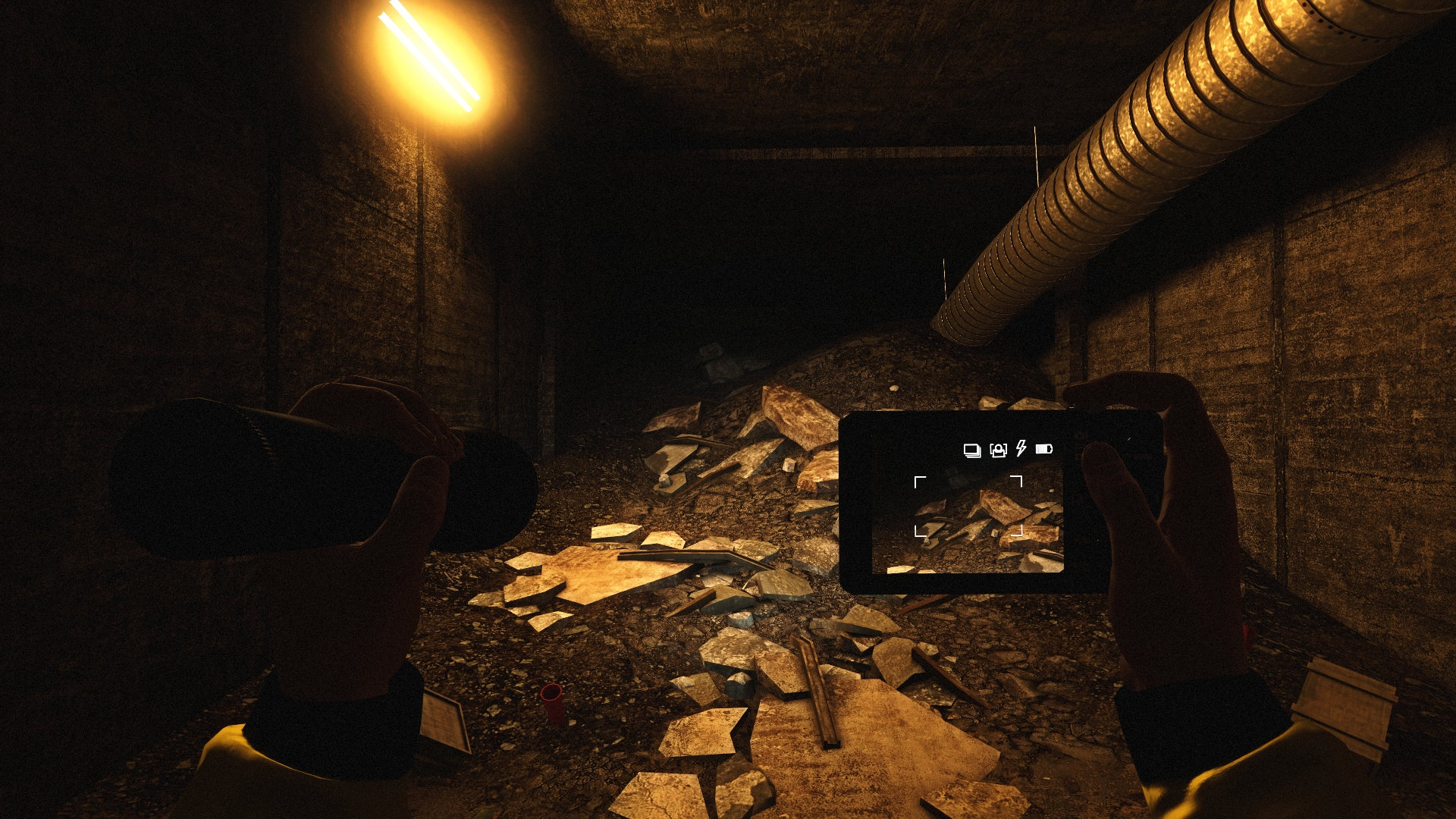
The puzzles are grounded in mechanical and electrical systems. A blocked route or inactive machine may require the player to trace how components relate, find the right controls, or understand what a damaged piece of infrastructure is doing. The game asks for patience and deduction rather than reflexive shooting. Some problems allow more than one route or solution, and optional discoveries make exploration feel different from a simple sequence of locked doors. Switches, power, machinery and access routes belong to the facility being explored. Solving a problem can open the way forward while clarifying how a broader failure affects the city. The practical setting gives each puzzle a connection to the work of surveying infrastructure.
Stalburg’s problems are not isolated accidents. As the analyst moves between sites, evidence points toward patterns in how the city has been built and managed. The story links physical deterioration with decisions made by people and institutions, turning the investigation into a search for causes as well as a route through hazardous spaces. Documents, environmental clues and conversations contribute pieces, and the larger scheme emerges gradually through what the player finds. Exploration therefore has a civic dimension: understanding why a system failed matters alongside figuring out how to pass through it safely. Each location adds another view of the city and of the pressures that have shaped its condition.
The player must weigh the assigned duty against personal safety. Continuing an inspection may reveal more about a site or the city, but it also means entering places where damage creates real danger. Observations and actions can affect whether other people survive, so attention is consequential as well as useful for solving puzzles. The game leaves room for judgment about how far to investigate and what deserves risk. Some routes expose more information or additional hazards, while optional details may reveal layers missed on a direct trip. Progress depends on deciding when to keep looking and when to focus on getting through Stalburg alive.
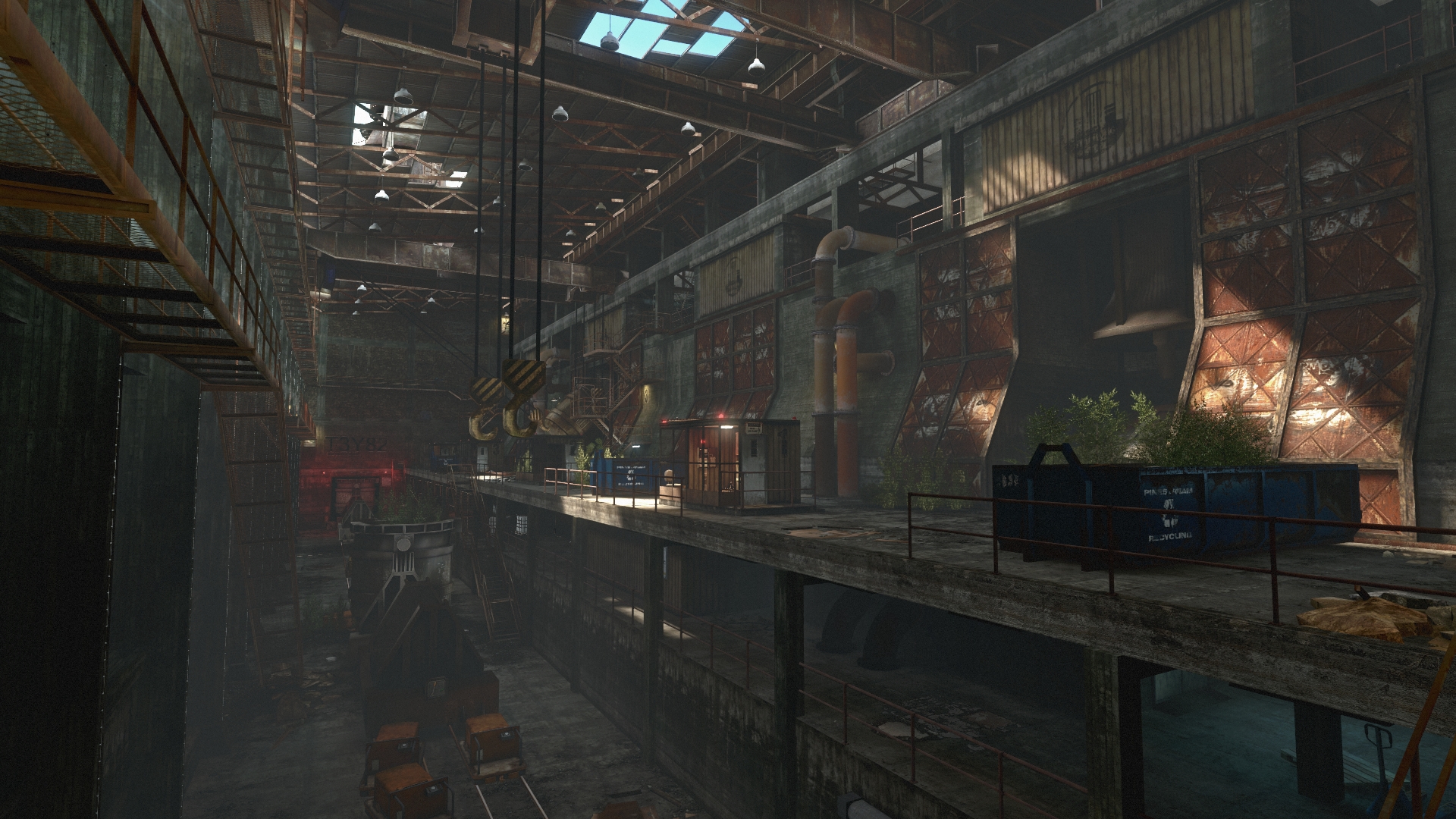
INFRA is a single-player first-person puzzle adventure developed and published by Loiste Interactive. Its central activities are exploration, environmental investigation and practical problem-solving rather than conventional weapons combat. The city supplies both the puzzles and the context for the story, while the camera supports deliberate observation. The many locations shift the work from one kind of infrastructure to another, making the survey feel broad without losing its technical focus. Suspense comes from unstable spaces and limited certainty about what lies ahead. The player gradually connects damaged structures with the human choices that shaped them, turning a routine assignment into a close examination of Stalburg’s civic failures.
- Developer
- Loiste Interactive
- Genre
- First-person puzzle adventure