

About Hindsight
After her mother's death, Mary returns to the house where she grew up and sorts through what was left behind. In Hindsight, everyday objects open passages into memories, drawing her across childhood and adult life. The player explores those scenes by changing perspective, finding visual connections and deciding which belongings Mary keeps as she returns to the present.
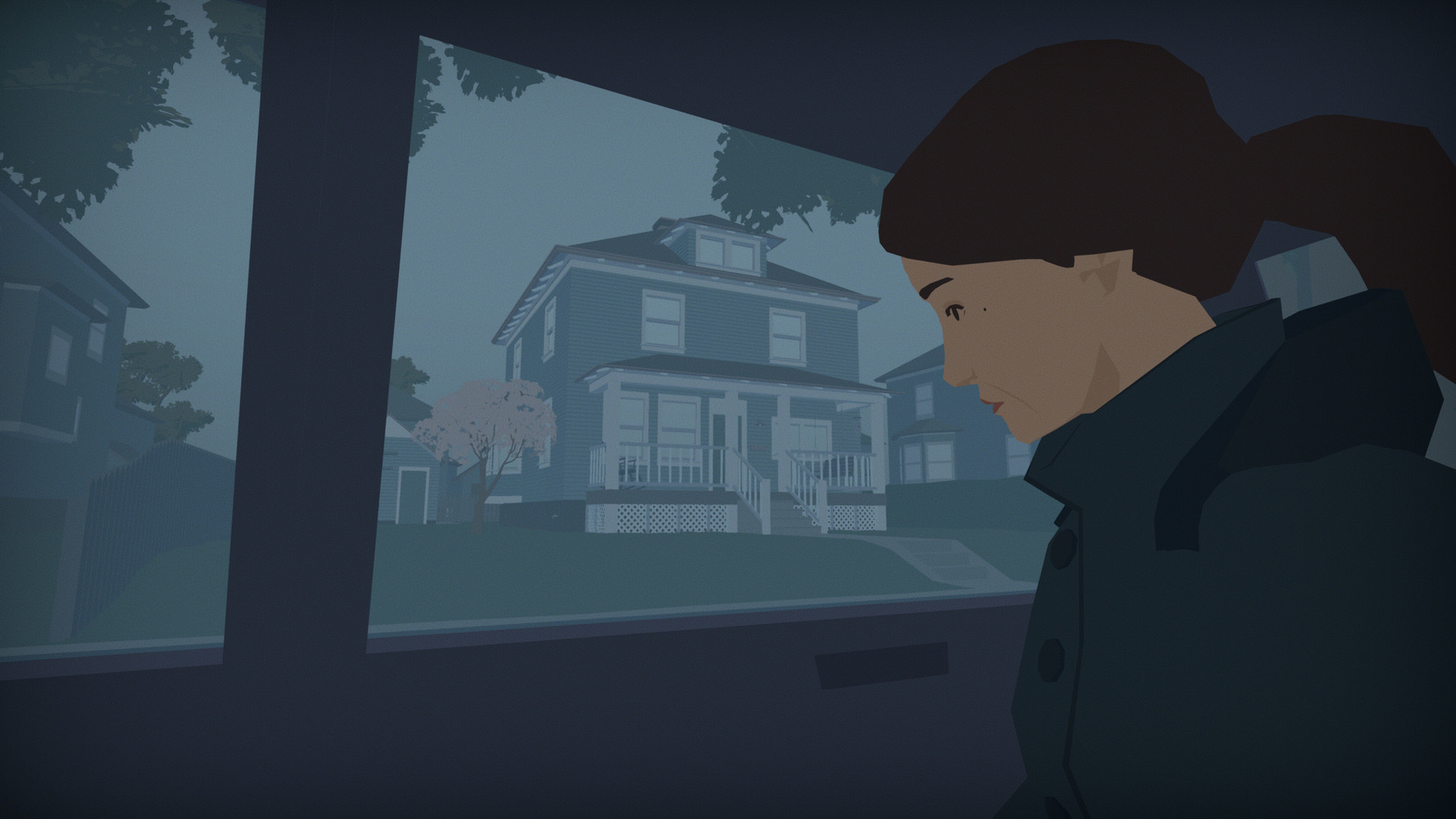
Mary returns to her childhood home after her mother's death and faces the work of deciding what to do with a lifetime of belongings. A key, a photograph or some other familiar thing can hold more than the memory of where it was kept. In Hindsight, an object may become a literal opening into another time, allowing Mary to step from the present house into a scene from her past. The woman sorting the rooms is also trying to understand the relationship and choices that shaped her life. The game's memories reach back to childhood and forward through later years, so the house is less a mystery location to clear than a place in which different versions of Mary overlap. That premise gives the possessions a double purpose. They are the practical residue of a person who has died, and they are prompts for scenes Mary had not been actively revisiting. The act of deciding what to keep brings those two roles together. The story does not require a supernatural explanation for why a keepsake matters emotionally; its visual language makes that familiar experience of being carried backward by an object into something the player can see and enter.
Exploration begins by paying attention to the small things in a room. The player looks through Mary's surroundings, examines a possible point of interest and shifts the view until a fragment of another place lines up inside an everyday object. Developer Joel McDonald calls these openings apertures. They are not doors labelled with dates or entries in a menu of unlocked levels. The right perspective makes a memory visible through the contours of something in the scene; moving into it carries the player to a different moment of Mary's life. Once inside, another detail can lead farther onward. The player pieces objects and viewpoints together rather than hurrying through the house. That establishes the mechanical rhythm: a room may be familiar, but the angle from which it is seen determines what it reveals. A physical belonging can frame a remembered place without ceasing to look like itself. The player is asked to notice that relationship, then choose to cross it. Progress comes through observation and spatial alignment, not through accumulating keys, equipment levels or a map of combat encounters.
The aperture idea gives Hindsight room to move between scenes that are linked by image as much as by chronology. A childhood moment with water from a hose can connect through droplets to a darker memory of rain when the camera finds a matching perspective. Pieces of a broken mirror can likewise be rearranged into an opening. Such transitions turn a visual resemblance into a bridge between experiences that feel very different. The player is doing more than clicking on an item to hear an anecdote attached to it. The game asks for a particular way of looking, and the new scene can change the meaning of the one just left behind. Because an aperture can be part of an environment or a figure, the question is not always which object is valuable. It may be which shape, reflection or bit of movement can briefly hold another time inside it. These light spatial puzzles are the main way of continuing the story; the memory scenes are places to occupy and inspect, with no enemy threat demanding that Mary move on at combat speed.
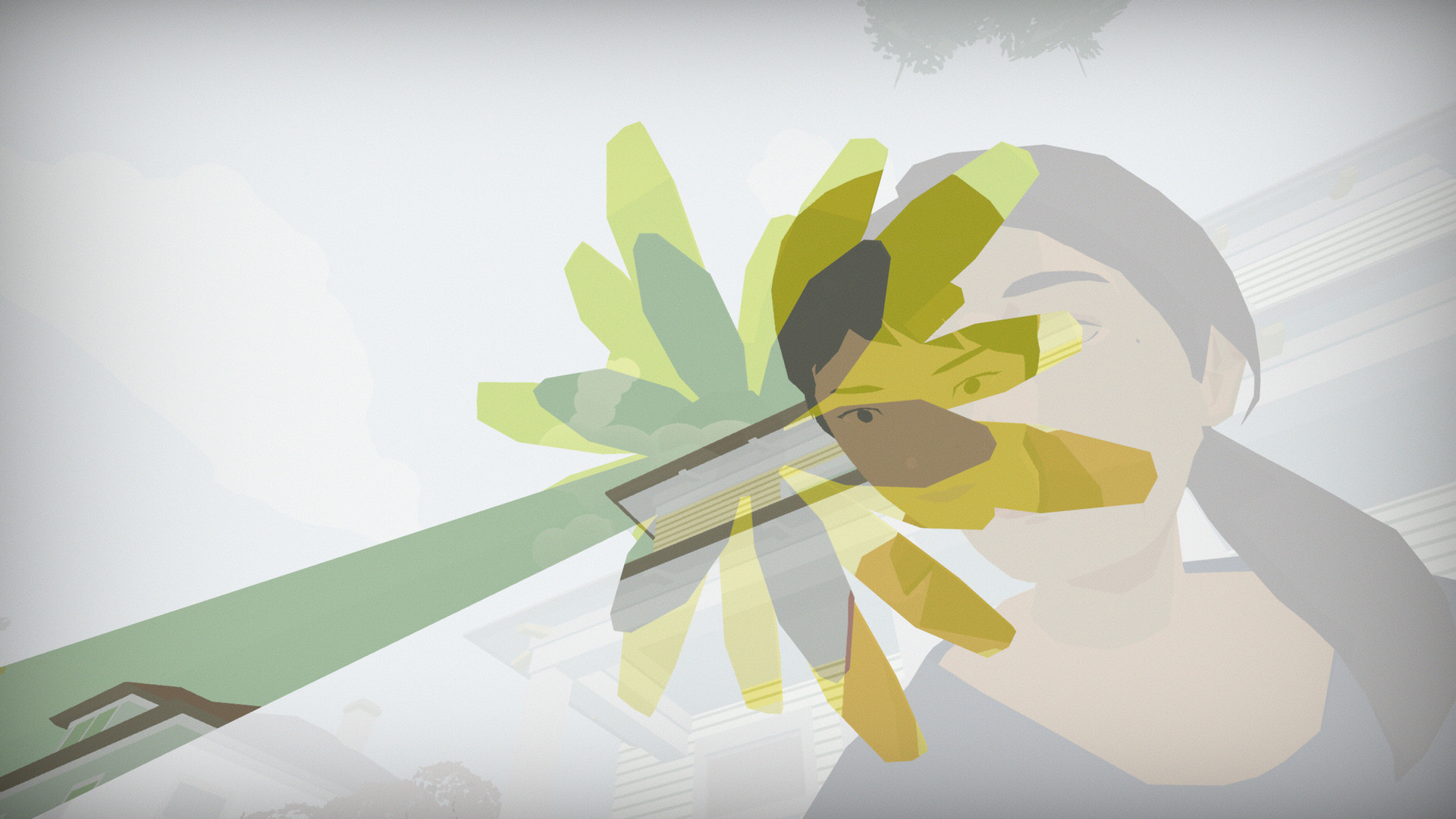
Mary's present gives the memories a point of return. Packing a house is practical and finite even when recollection is not, and the game repeatedly sets the possibility of lingering beside the need to leave a scene. McDonald and Kidwell described a story about a mother and daughter, drawing particular details from their own experiences while letting Mary remain a specific fictional person. As a result, the rooms and possessions are not only illustrations of a general theme of grief. They have a place in her history: a childhood space can hold a remembered exchange, and revisiting it as an adult can expose a different feeling about what happened there. The movement across her life is authored rather than a system for freely rewriting the past. In the present, commitments beyond the house still exist, so a return from a memory is not simply a reset to a neutral hub. Mary's task continues. She is also a chef facing the opening of a restaurant, a present-day commitment that keeps tugging at her attention as she returns to the house. The prospect of beginning that venture makes the homecoming more than a pause in an otherwise empty life. A call from the present can interrupt Mary's absorption in an earlier scene, returning the sounds and responsibilities of her adult life to the foreground. The contrast makes a remembered childhood afternoon feel situated inside a life that has continued, even while Mary tries to understand what she left behind. Hindsight lets one recollection open onto another, but the work of sorting and interpreting them belongs to the woman who came back to her mother's home, not to an inventory of supernatural powers the player can upgrade.
At the close of a chapter, the player can choose an object for Mary's suitcase. The choice is reflective: the narrative beats do not branch according to which memento is taken. It asks the player to decide which thing from a set of experiences feels worth carrying, while the story itself continues along its authored route. That distinction matters because an apparently consequential selection in a narrative game can suggest a hidden map of alternate endings. Here the value is in attention and interpretation rather than in finding the item that wins a later test. A possession may mean one thing when first discovered and something else after the player has entered a memory through it. Picking an object to retain then becomes an extension of the earlier acts of inspecting, aligning and stepping through scenes. The suitcase is also a quiet counterweight to the hole left by clearing the home: Mary cannot take everything with her, but the choice does not reduce her relationship with her mother to a score. The game leaves room for a player to regard one small item as especially significant without claiming that choice changes what Mary remembers having lived.
Hindsight's painterly scenes and cinematic transitions let an aperture feel like a change in perception rather than a loading screen between unrelated levels. The palette and staging can shift sharply as Mary's past comes into view, while the careful pace leaves time to look around before finding the next opening. The Switch edition supports one player, touch input and TV, tabletop and handheld play. Team Hindsight developed the game with creator Joel McDonald, and Annapurna Interactive published it. The game first released in 2022, and the publisher lists PC, Mac, iOS, PlayStation, Xbox and Switch outlets. A Steam soundtrack offering is separate audio content, not a new sequence of memories. Across these editions, the central interaction remains grounded in the same physical idea: an ordinary object can frame a scene from another time, and shifting the player's viewpoint makes a path into it. The house, memory spaces and suitcase give that idea a beginning, a way to move forward and a reason for Mary eventually to return to the present.
- Developer
- Team Hindsight, led by Joel McDonald
- Genre
- Single-player narrative exploration game