
About Gears 5
As war spreads across Sera, Kait Diaz leaves the COG’s immediate command to investigate her connection to the Swarm and the threat facing humanity. Gears 5 combines a story campaign with cooperative Horde and Escape missions, competitive Versus matches, and a campaign that supports up to three players.
The conflict in Gears 5 follows the aftermath of humanity’s struggle against the Locust, as the Swarm rises and attacks settlements across Sera. Kait Diaz takes the lead in the campaign after learning that her family history may connect her to the enemy. Rather than simply follow orders from the Coalition of Ordered Governments, she sets out to understand what that connection means and what danger it poses to the planet. The story brings Kait together with familiar members of the Gears cast, including Del Walker, Marcus Fenix and JD Fenix, while shifting attention toward Kait’s place in the wider conflict. The central question is personal as well as military: uncovering the truth about Kait may reveal how the Swarm operates, but it also forces her to face what that knowledge means for herself and the people fighting beside her.
Campaign missions mix combat with movement through Sera and conversations among the squad. Gears’ familiar battlefield rhythm asks players to use cover, watch enemy positions, and choose when to advance or hold ground. Encounters place different Swarm forces between the squad and its objective, so weapon choice, positioning and timing matter alongside accurate fire. The campaign can be played alone or with up to two other players in online or split-screen cooperative play. In co-op, players share the operation while controlling different members of the team; one player can also take the role of Jack, the flying support robot. Jack protects allies and damages enemies, giving the third campaign participant a support-focused role alongside the soldiers on the ground.
Jack is more than a companion who follows the squad. His support tools let the player contribute to an encounter by helping allies and disrupting enemies, and his presence gives campaign combat another way to respond to a crowded fight. His support role gives the squad another way to manage danger: he can protect allies and damage enemies while the soldiers use their weapons and cover. His role changes the shape of a fight without replacing the squad’s weapons and cover tactics. Playing Jack in cooperative campaign also makes teamwork concrete: one player can manage support actions while the others focus on firing and moving through the battlefield.
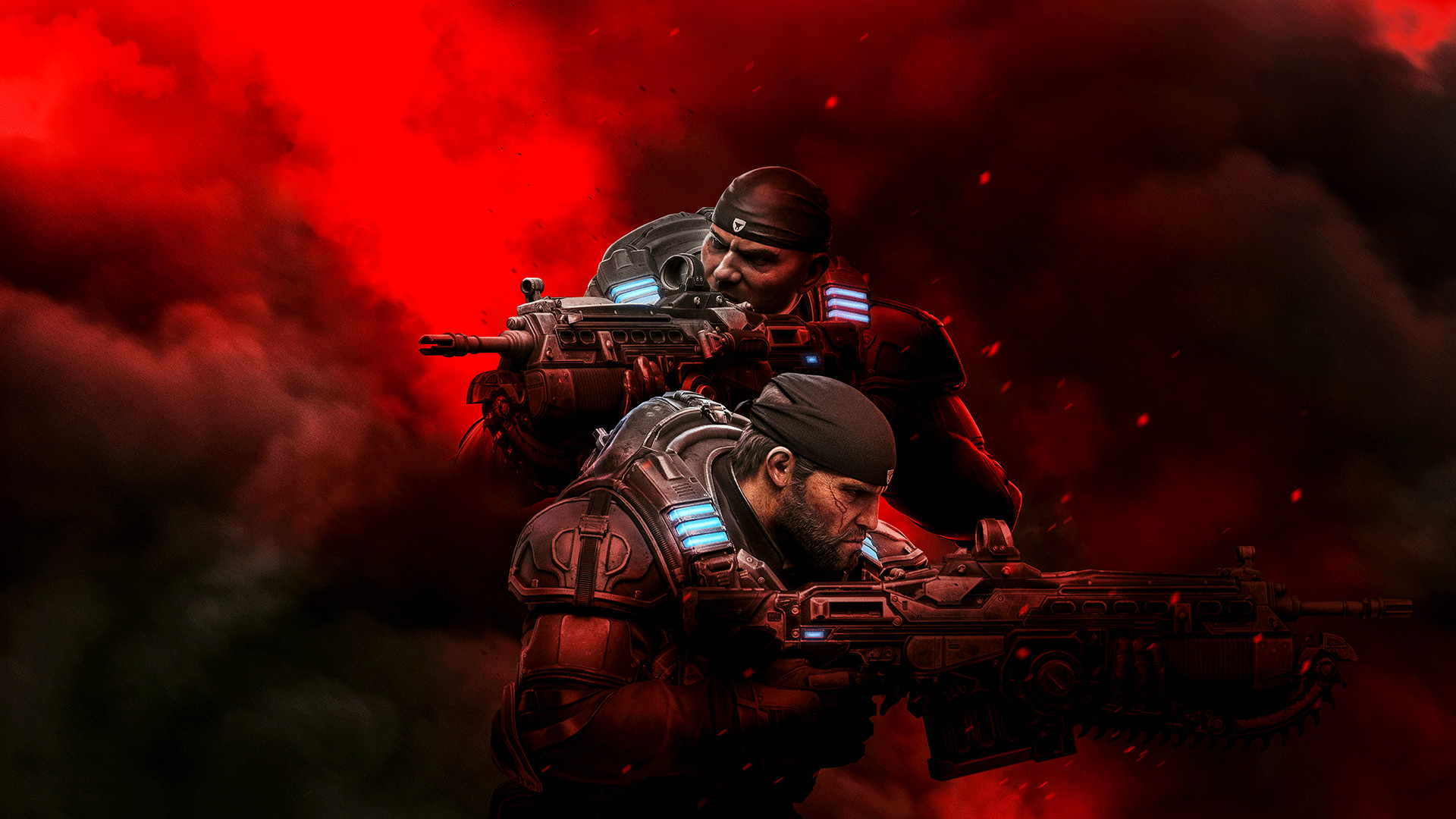
Escape is a three-player cooperative mode built around entering an enemy hive and getting back out. The squad is described as a suicide team, with the objective of destroying the hive from within while outrunning a bomb and surviving the route to safety. That setup gives the mode a different pressure from the campaign: the team must keep moving through hostile space, coordinate its abilities and work toward an exit while the threat behind it escalates. The Hivebusters characters Mac, Lahni and Keegan are associated with Escape, and at launch the Map Builder allowed players to create custom Escape hives and share them as additional challenges, changing the routes a team could attempt. Its short, focused premise makes communication and a shared plan central to each run.
Horde turns cooperation into a sustained defence against escalating attacks. A team of up to five players faces increasingly difficult waves and bosses, building defenses, gathering Power, improving skills and coordinating character abilities as the pressure rises. Characters have their own play styles and Ultimate abilities; examples presented by Xbox Wire include JD’s air strike and Kait’s cloak. Jack can join Horde as a support choice, using his ability to buff nearby players or hack and hijack enemies so they fight for the team. Power Taps add a reason to leave a familiar defensive position: moving the team’s base toward a Tap can bring additional Power and rewards. Success depends on balancing a defensible position with the resources and upgrades needed to withstand the next wave, while deciding when a character’s Ultimate can best protect the group or clear a dangerous target.
Versus is the competitive player-against-player side of Gears 5. Its playlists include Arcade, where players earn points and trade them for stronger weapons, as well as other match types and maps. That economy changes the immediate goal during a match: players need to contribute to the score and decide when to spend accumulated points on a more powerful loadout. Other Versus modes use their own objectives and rules, so the focus can shift between winning fights and helping the team control the match’s conditions. The mode supports both casual and more competitive play, and its selection of characters and weapon skins lets players customize how their combatant appears. Cross-platform multiplayer is available, alongside online and shared-screen competitive options; the exact feature set can depend on the platform and edition being used.
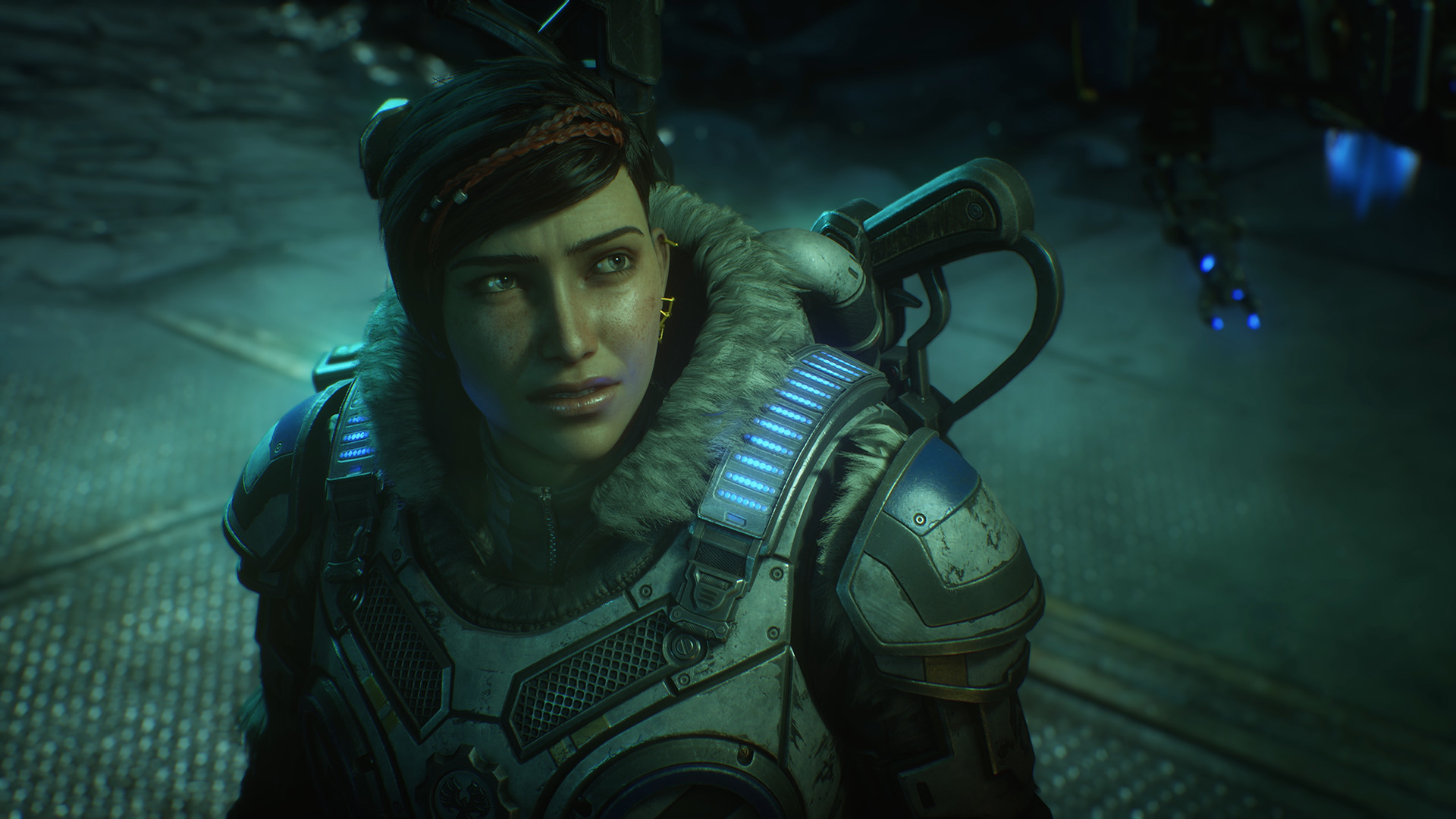
Outside the campaign and its multiplayer playlists, Gears 5 provides progression and creation systems that give groups more ways to return to its modes. Horde characters develop through skill upgrades during the defence. At launch, Tours of Duty added challenges and rewards across play, while Escape’s Map Builder allowed players to create and share custom hive layouts. Route design became a separate activity from completing a run. The campaign also supports later playthroughs with carried-over character and weapon skins, bonus difficulty settings and modifiers. These features connect the game’s different forms of play: a squad can practise together in cooperative missions, test character abilities against successive Horde waves, compete in Versus, or build a new Escape route. The result is a campaign-led shooter whose additional modes use teamwork, character abilities and distinct objectives in different ways.
- Developer
- The Coalition
- Genre
- Action-adventure third-person shooter (Steam's official genre labels are Action and Adventure; third-person shooter appears among user-defined tags).