
About FATAL FRAME / PROJECT ZERO: Maiden of Black Water
Three people drawn to haunted Mt. Hikami search for the missing and confront the mountain’s connection to death and water. Yuri, Ren and Miu use the Camera Obscura to find clues and repel ghosts through linked stories spanning eerie ruins, a shrine and the lake.
FATAL FRAME: Maiden of Black Water is a Japanese horror adventure set on Mt. Hikami, a mountain known for disappearances and a history tied to water and death. The game follows Yuri Kozukata, Ren Hojo and Miu Hinasaki, whose separate investigations become part of a connected mystery. People have gone missing in the mountain’s forests, and the characters are drawn there while trying to understand what happened to those who were spirited away. The mountain is not just a backdrop: its streams, shrines, ruined buildings and lake all belong to a spiritual landscape where the living and dead overlap. The story advances through linked episodes, each adding another perspective to the same place and its past.
The central tool is the Camera Obscura, a supernatural camera that lets its user perceive spirits and fight them by photographing them. Exploration alternates between moving through haunted locations, following traces, finding clues and preparing for encounters. A camera viewfinder becomes the combat frame: the player aims at a ghost and takes a picture to damage it. Framing several spirit fragments together can improve an attack, and timing the shutter for a brief opening can produce a stronger hit. The camera therefore serves as both weapon and investigative instrument. Searching a room with the lens can expose things the naked eye misses, while photographs can reveal details needed to make sense of the mountain’s history.
Combat asks the player to manage distance, framing and timing while a ghost closes in. A hostile spirit may move unpredictably, appear only briefly or attack at close range, so simply holding the camera up is not always enough. Waiting for a more favorable moment can make a photograph more effective, but it also gives the enemy time to reach the character. Different film types and lenses affect how the camera performs, and upgrades develop its usefulness during the adventure. This creates a distinctive horror rhythm: the player must look directly at the threat to oppose it, while remaining aware that focusing through the viewfinder can leave little attention for the surrounding space.
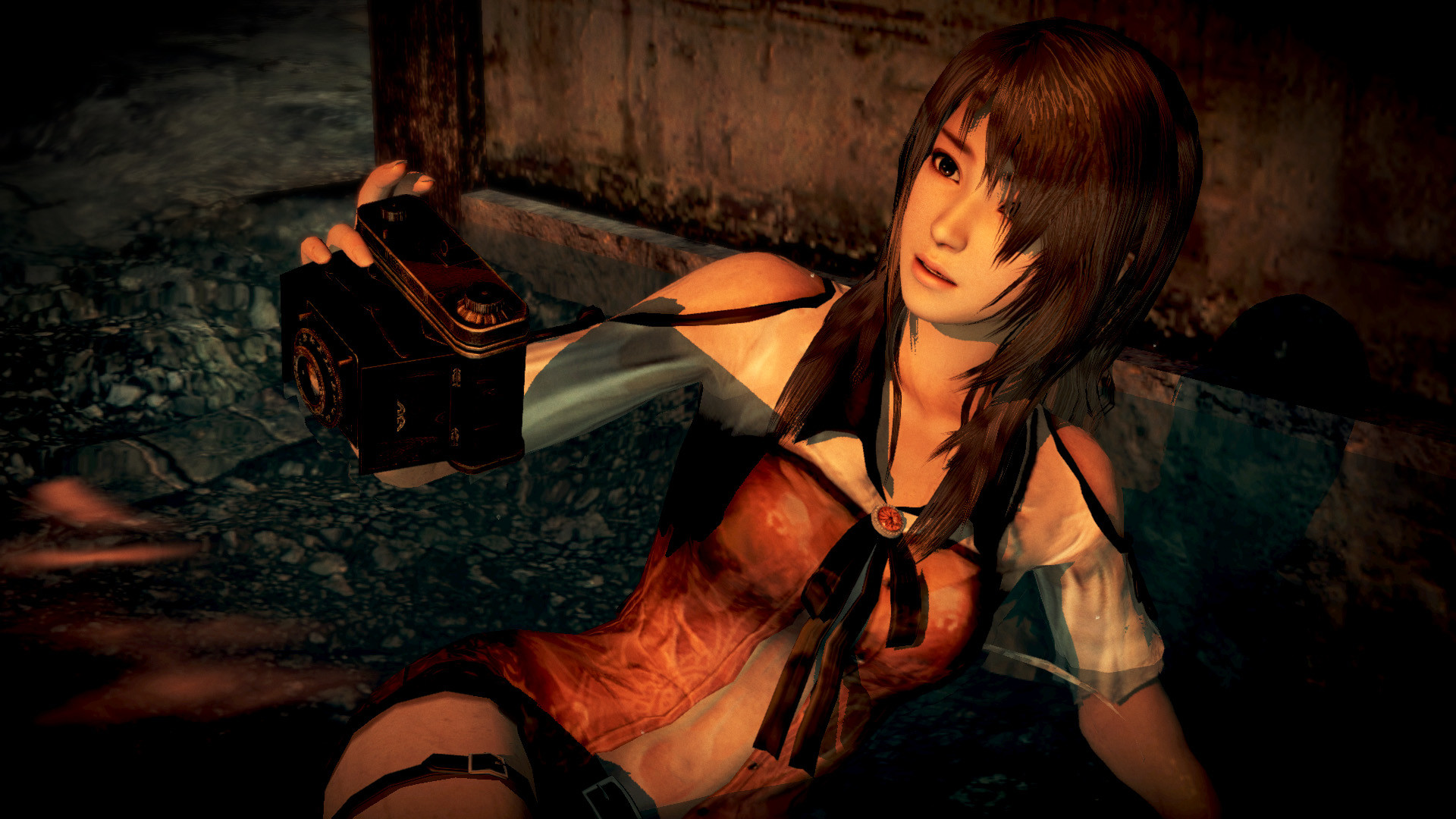
Water shapes both the setting and the rules of encounters. The mountain’s streams connect locations and carry religious significance, while contact with water changes the character’s wetness. Wetness creates a trade-off: greater wetness increases damage taken from ghosts but also allows the character to absorb more Spirit Power and deal more damage. Some ghosts appear more often when the character is wet. This means a condition associated with the mountain’s atmosphere also affects risk and combat strength. The player must weigh whether to move through wet areas or avoid them, and whether a more dangerous state is worth the potential offensive advantage. Healing items can restore health, but they do not make careless exposure harmless.
The three protagonists give the linked stories different points of entry into the mystery. Yuri’s ability to see the shadows of missing people draws her toward searches and rescue attempts. Ren’s investigation follows another set of clues connected to the mountain, while Miu’s presence ties the story to people and events already familiar to the series. Their episodes revisit places from different angles and gradually connect seemingly separate tragedies. The game’s structure allows a building or stretch of forest to carry new meaning when another character returns to it. Rather than presenting one uninterrupted journey, it layers perspectives, letting the player piece together how the mountain’s customs, spirits and disappearances relate.
Mt. Hikami’s locations emphasize different forms of unease. The route passes through an eerie inn, a shrine containing life-size dolls and a lake associated with dead priestesses. These spaces make investigation physical: the player searches corridors, rooms, pathways and shorelines while using clues to decide where to go next. Darkness and restricted sight keep the environment uncertain, and the flashlight provides only a small field of reassurance. Items and traces can point toward a person or event, while the presence of a ghost can turn a quiet search into immediate danger. Moving through these connected locations links the practical task of finding people with the larger question of what the mountain has become.
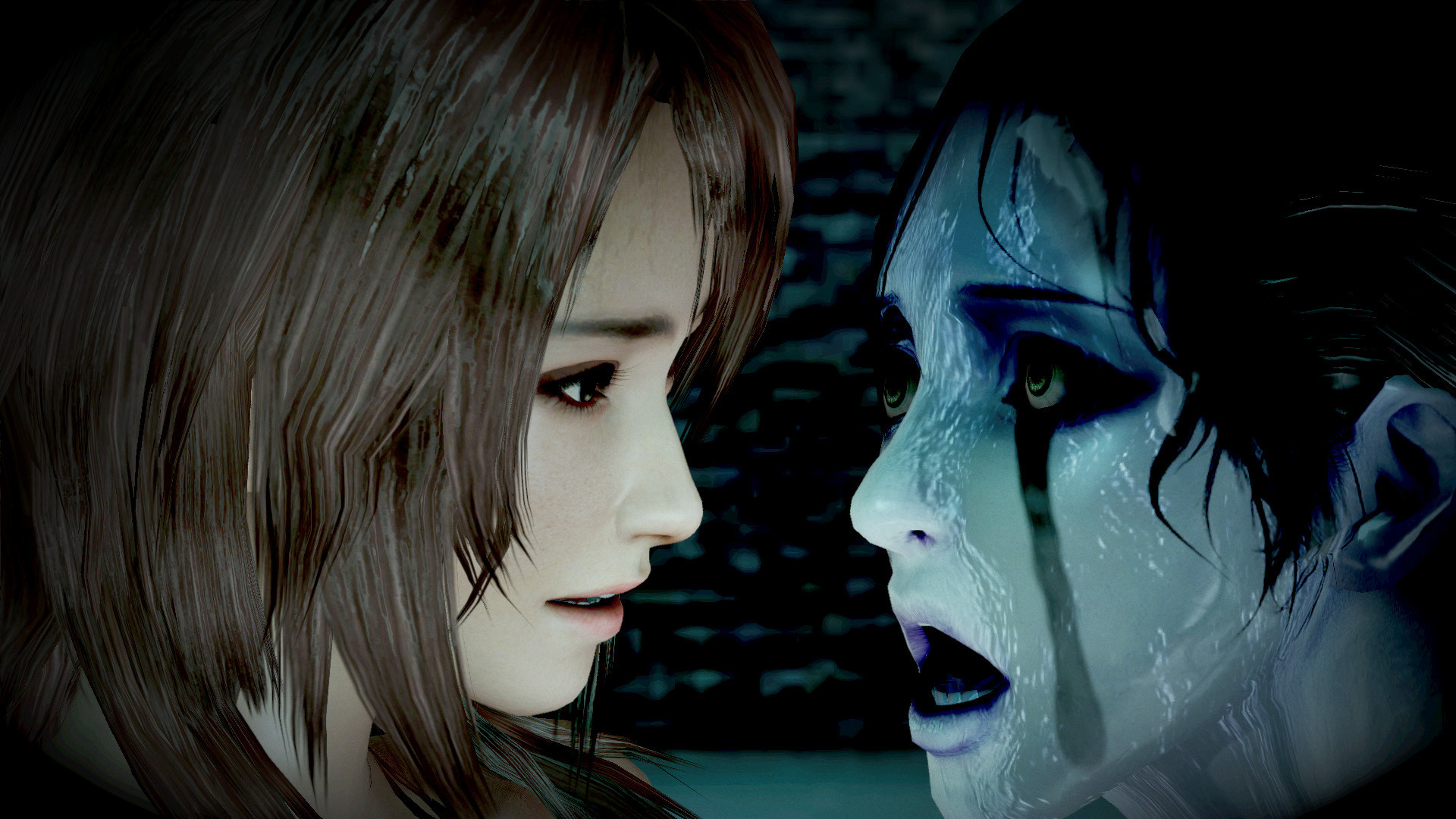
The game’s horror depends on the overlap between investigation and vulnerability. Searching for a missing person can require entering a place where hostile spirits are active; learning more about a room may mean remaining there long enough for danger to approach. The Camera Obscura makes confrontation possible, yet its use asks the player to look toward a ghost and wait for a clear photographic opportunity. The lens can also reveal shadows and memories that would otherwise remain hidden. That dual role gives each encounter a tension between defense and discovery: the player is not simply clearing enemies from a path, but using the same device to understand why the haunting exists. Exploration, combat and narrative evidence continually reinforce one another.
The 2021 Steam release is an enhanced version of the 2014 Wii U game, with remastered visuals and additions such as Photo Mode. Those edition changes sit around the original adventure rather than replacing its central premise: three characters investigate Mt. Hikami through connected stories and use the Camera Obscura against ghosts. Photo Mode is a separate way to arrange characters and spirits for images, while the main game remains focused on exploration, clues and survival. The base adventure’s distinctive identity comes from its camera-centered combat and water-linked supernatural setting. Costumes and other cosmetic extras are not needed to understand the story or systems, while the core journey stays focused on the mountain.
- Developer
- KOEI TECMO GAMES CO., LTD.
- Genre
- Japanese horror adventure