
About Fahrenheit: Indigo Prophecy Remastered
After Lucas Kane kills a stranger in a New York diner during a blackout, he tries to understand the episode while detectives Carla Valenti and Tyler Miles investigate. Fahrenheit: Indigo Prophecy Remastered follows four playable viewpoints through a supernatural murder mystery shaped by dialogue choices, environmental interactions and rhythm-based action sequences.
Fahrenheit opens in a New York diner, where Lucas Kane comes to himself after killing a stranger during an episode he cannot explain. The scene immediately places the player between two roles: Lucas is trying to understand what happened and avoid arrest, while detectives Carla Valenti and Tyler Miles investigate the murder. The mystery is supernatural, but its first questions are grounded in evidence, memory and pressure. Lucas must deal with the immediate aftermath; the investigators approach the same event through interviews and police work. Switching between these perspectives lets an action that felt like desperate concealment in one scene become a clue or inconsistency in another, giving the story its central tension without turning the player into a conventional combat hero.
The narrative passes control among four playable characters: Lucas, Carla, Tyler and Markus Kane. Their chapters create different kinds of scenes and different stakes. Lucas is caught between a frightening loss of control and the practical need to keep moving; Carla and Tyler search for a coherent account of the crime; Markus brings another personal perspective to the unfolding events. The split-screen presentation can show parallel actions or reactions at once, keeping several viewpoints visible in a single scene. Dialogue and decisions can alter how a conversation develops, what information comes out, and how later scenes connect. Some choices change local details while others redirect the story more substantially, and the branching structure supports multiple endings.
Between dramatic sequences, the player guides a character through detailed interiors and streets, inspecting objects, speaking with people and responding to immediate tasks. The environments are built around contextual interactions: a door, mirror, cup or other object can prompt a directional movement, while points of interest invite a closer look. These small actions give ordinary scenes a physical rhythm. Conversations also demand attention because response options appear under a shrinking time bar. In an interview, the order and tone of questions can shape the exchange; when Lucas speaks, a careless answer may increase suspicion. The player is not simply selecting dialogue from a safe pause menu but making decisions while the scene keeps moving.
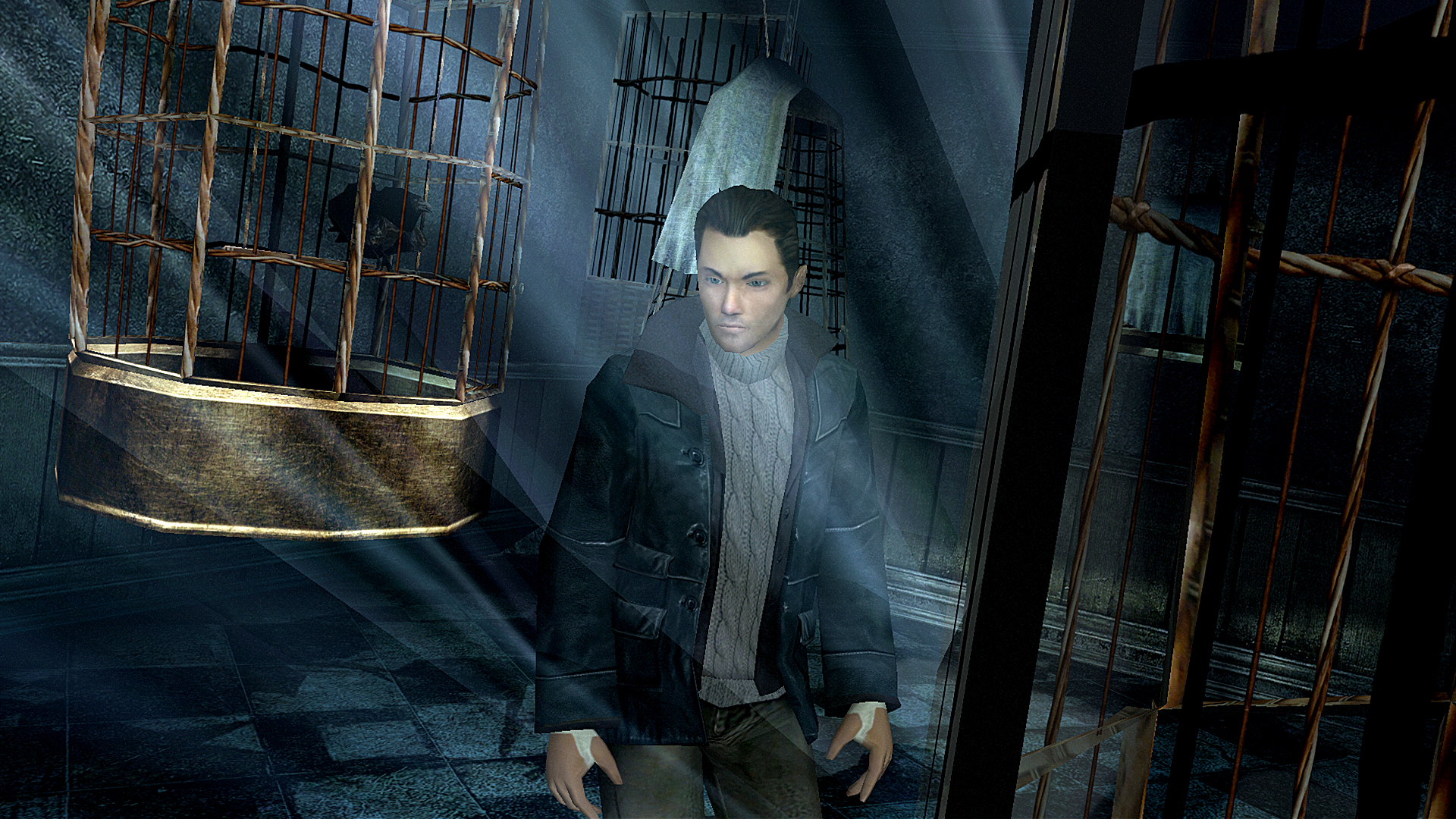
Action is expressed through short timing and rhythm challenges rather than sustained combat. During a chase, struggle or other tense moment, prompts ask the player to move the sticks in a sequence, match displayed directions or maintain rapid inputs. The commands correspond to what the character is doing on screen, so progress depends on keeping pace with a scene instead of aiming or attacking freely. The same input style can appear in more intimate situations, including conversations and moments of concentration. Success helps a character complete the immediate action; failure can change the scene or affect their condition. These sequences make a scene’s physical pressure part of the interaction, while exploration and dialogue carry much of the investigation between them.
Each character has a mental-state meter that shifts with events. Choices that bring relief can raise it, while distressing or difficult moments lower it; allowing the meter to empty can end the current run at a checkpoint. This condition adds a practical consideration to choices that might otherwise be treated only as branching plot decisions. Lucas can also concentrate to pick up what a person is thinking, represented as a short pattern-matching challenge. The ability offers an extra angle on selected conversations, but it does not replace listening to what the other person says or deciding how to answer. Together, mental state and concentration connect the supernatural premise to moment-to-moment play without turning the story into a broad inventory or combat system.
After finishing the story, chapter selection lets players return to earlier sections and explore how a different response or successful action changes the route. The game is divided into individual chapters, so revisiting one does not require replaying every preceding scene. This structure suits a narrative in which some decisions have an immediate effect while others only become apparent later: a chapter can be replayed to test a conversation, interaction or timed sequence, then continued through the connected events. The multiple endings give those experiments a longer arc, but the chapter structure also makes smaller variations easier to see. Replaying remains a way to compare story paths rather than a separate score mode, and it keeps the four-character structure available as the mystery develops from several perspectives.
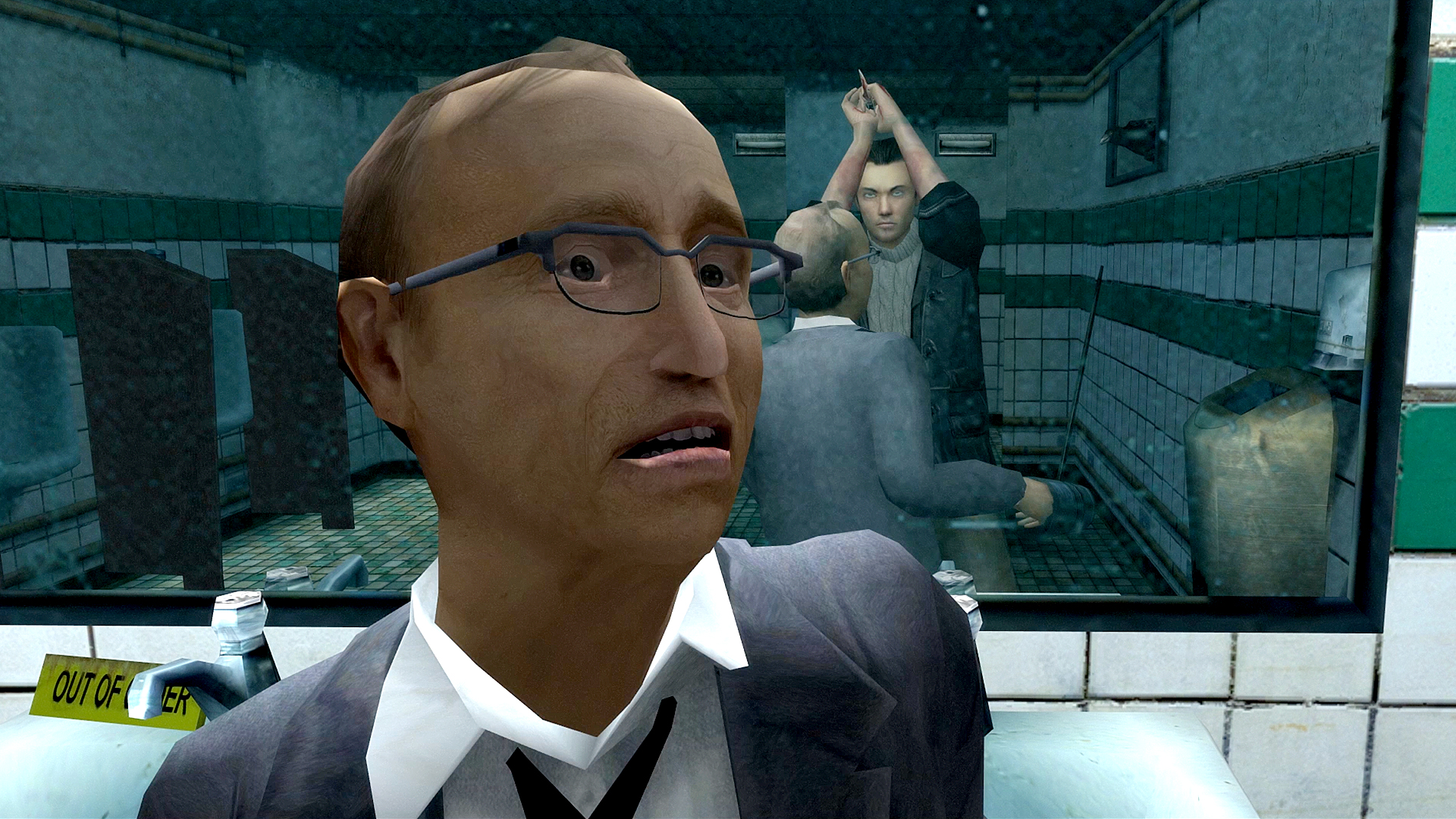
This PC release is the 2015 Fahrenheit: Indigo Prophecy Remastered edition of Quantic Dream’s 2005 game, with the remastered version developed by Aspyr Media. It uses the uncut international version, adds high-definition in-game textures and expanded controller support, and includes a live option to compare updated graphics with the original assets. These presentation changes leave the underlying multi-character mystery, branching dialogue, contextual exploration and timed action sequences intact. The remaster follows the same narrative across its four viewpoints while refreshing the desktop presentation.
- Developer
- Quantic Dream (original); Aspyr Media (remastered PC version)
- Genre
- Adventure / interactive drama