
About ELEX
After losing his place among the Albs, Jax must navigate Magalan’s rival societies and the struggle over Elex, a substance that grants power while suppressing emotion. ELEX combines open-world exploration, jetpack traversal, quests, faction training and action combat with melee weapons, firearms and science-fantasy abilities.
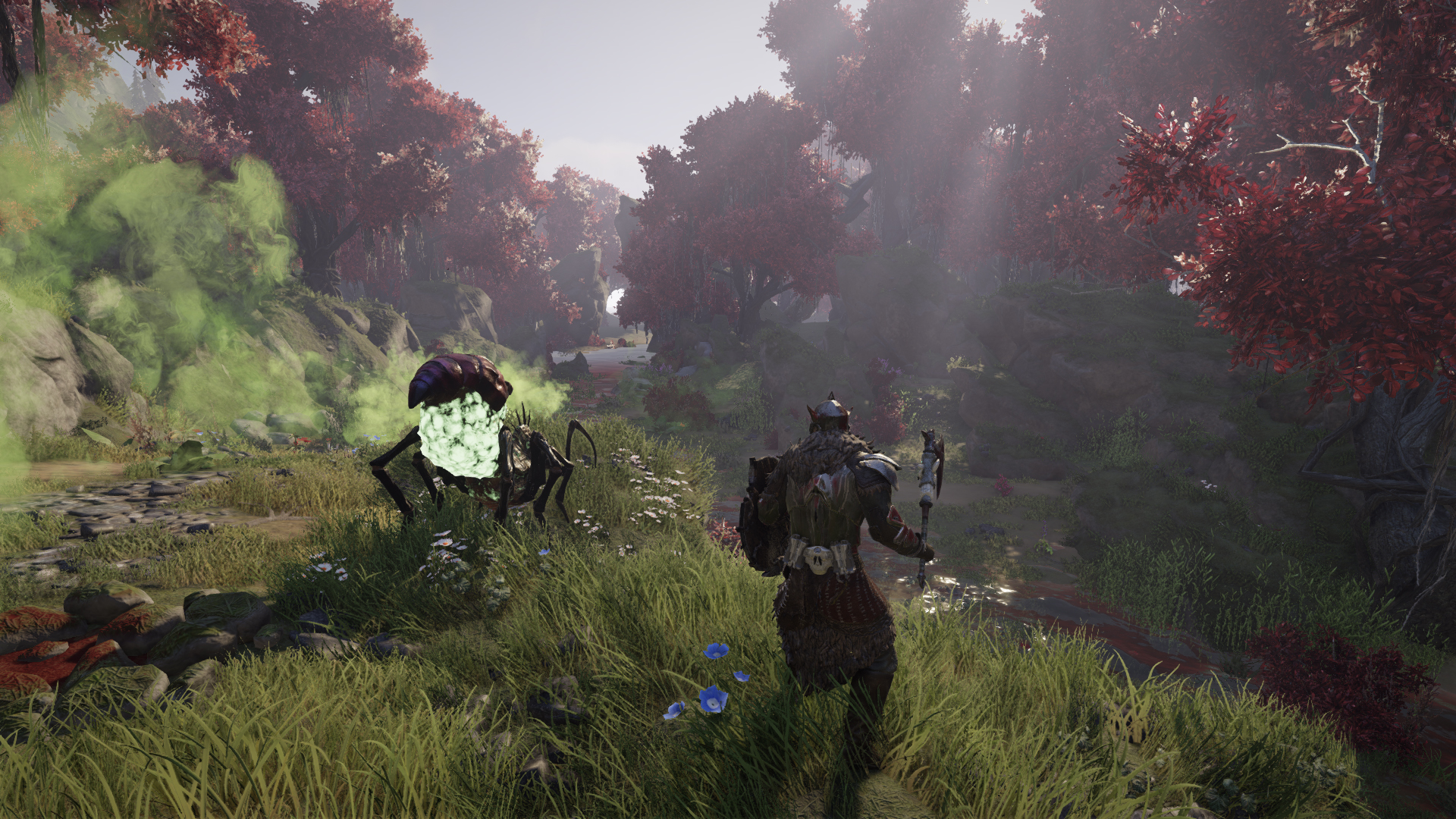
ELEX is set on Magalan, a science-fantasy world rebuilding after a comet brought devastation and the substance called Elex. The impact left technological ruins, mutated creatures and sharply different societies across the planet. You play as Jax, a former commander among the Albs, a faction that uses Elex to increase strength while suppressing emotion. After he is cast out and left without his former status, Jax must make a place in a world where the Albs are pressing their campaign to control the resource. The story follows his dealings with rival communities and asks what kind of society should shape Magalan’s future. The setting moves between settlements and wilderness, joining remnants of advanced technology with magic, improvised weapons and landscapes changed by the catastrophe.
Four groups dominate the struggle over Magalan. The Albs are organized around consuming Elex and obeying the Hybrid’s drive to harvest more of it; the substance makes them powerful but emotionally distant. The Berserkers instead transform Elex into Mana, use it for magic and work to restore damaged land. The Clerics preserve and study old technology, building a religious culture around Calaan and weapons powered by Elex. The Outlaws make their home in the desert and prize personal freedom, with survival often determined by strength and resources. Jax encounters these different systems through their settlements, missions and characters. After proving himself, he can commit to one of the three local factions and learn its specialised abilities, giving faction membership a practical effect on how he fights as well as a political place in the conflict.
The jetpack makes movement through the open world a central part of play. Jax can use it to rise over broken ground, reach ledges and cross gaps that would stop a route on foot. That vertical reach changes how the player reads ruins and mountains: a rooftop or high shelf may hold a path forward, a useful object or a way around hostile ground. The pack’s fuel limits how long Jax can stay airborne, so short boosts and safe landing points matter during exploration. Discovering teleporters adds a separate way to revisit parts of the map after reaching them. Together, jetpack movement and fast travel support a loop of choosing a destination, scouting terrain, checking buildings and settlements for quests or supplies, and opening up more of the connected world.

Character development separates attributes from learned abilities. Experience mainly comes from completing quests, with combat and discoveries providing additional progress. Each level grants attribute points for Strength, Constitution, Dexterity, Intelligence and Cunning, along with a learning point. Raising an attribute does not simply make every action stronger; attributes set requirements for equipment and for abilities taught by trainers. Learning a skill also costs Elexit, the world’s currency, so development involves choosing where to spend both training points and money. Trainers teach abilities in broad areas such as combat, survival, crafting and personality, and faction teachers add skills tied to a chosen group. This structure rewards building toward weapons, armour or abilities Jax can actually use, rather than spreading every upgrade across unrelated directions. Quests are the main source of experience, while defeating enemies and reading documents add smaller amounts. The Chemistry ability opens potion and stim crafting at a workbench, including recipes that turn Elex into permanent character-growth resources. This gives found materials another use alongside buying equipment or paying trainers, and makes the crafting branch connect directly to Jax’s long-term development.
Combat combines close-range weapons, firearms and faction-specific powers. Jax can use swords or other melee weapons, attack from a distance with guns, and add abilities such as Berserker magic or Cleric technology after joining their respective groups. Weapons have attribute and skill requirements, so finding a powerful item does not automatically mean Jax can equip it. Improving these capabilities makes it easier to take on stronger creatures and hostile faction forces encountered away from settlements. The player can also use the jetpack defensively to create distance or reach safer ground when an encounter turns against them. Combat therefore links back to exploration and character planning: quests earn experience and money, enemies provide materials and equipment, and trainers convert accumulated learning points into abilities that support a chosen style.
Elex is both the resource behind the factions’ power and a measure of the choices surrounding Jax. The Albs consume it to become stronger and more detached, while the Berserkers process it into Mana and the Clerics use it to energise technology. Their disagreement is not only about who controls deposits: each group interprets the substance through a different idea of progress, faith or survival. Jax’s dialogue and decisions shape how he relates to these communities and where he stands in the wider conflict. Quests often connect local problems to that larger struggle, placing personal needs beside faction interests. Exploring, speaking with characters, completing missions, recruiting allies and deciding which abilities to learn all feed into the same progression, gradually changing Jax from an isolated exile into an actor in Magalan’s future.
- Developer
- Piranha Bytes
- Genre
- Action role-playing game