
About Eastshade
Travel across the island of Eastshade as a painter, meeting its inhabitants and recording the places they ask to see. Compose paintings with an easel, gather materials and schematics to overcome obstacles, and follow conversations and small stories through cities, summits and forgotten places. Your choices shape later encounters as exploration opens new paths and knowledge.
Eastshade is a first-person open-world adventure about travelling through an island as a painter. The journey moves between inhabited places and remote ground: the island holds cities, summits, natural obstacles and forgotten locations rather than one single route. You can talk with residents, learn about their lives and help people who need something. The island is therefore explored through both its landscape and its inhabitants. A path that looks like a scenic detour can also lead to a conversation, a request or a place that changes what you know about the surrounding area. There is no combat loop at the centre of this premise; movement, observation, conversation and practical problem-solving give the trip its shape.
The easel makes looking closely into a specific activity. You can set it up around the world and frame a view as a painting, with the composition built from what is in front of you. The developer describes this interaction as closer to taking a photograph than managing a complex painting simulation. That keeps the challenge in finding the right subject and viewpoint. Some requests ask for a particular object or location, and others depend on conditions such as the time or weather; certain puzzles also call for a particular composition. The painting tool thus rewards attention to the scene: noticing what belongs in the frame, where to stand, and when the view matches what someone has asked for.
Paintings connect observation to progression. Residents can ask for images of specific subjects or places, and offering a finished work can bring items, knowledge or access to secrets. The game also describes paintings as a way to affect quests and discover what lies behind an obstacle. This gives the easel several uses at once: it records a landscape, answers a request, and sometimes helps make sense of a problem. The task is not simply to collect attractive views. When a commission names a subject, location or condition, the player must explore until that scene can be composed. The island’s changing views matter because a useful painting depends on the details in the world, not on a menu choice detached from the place.
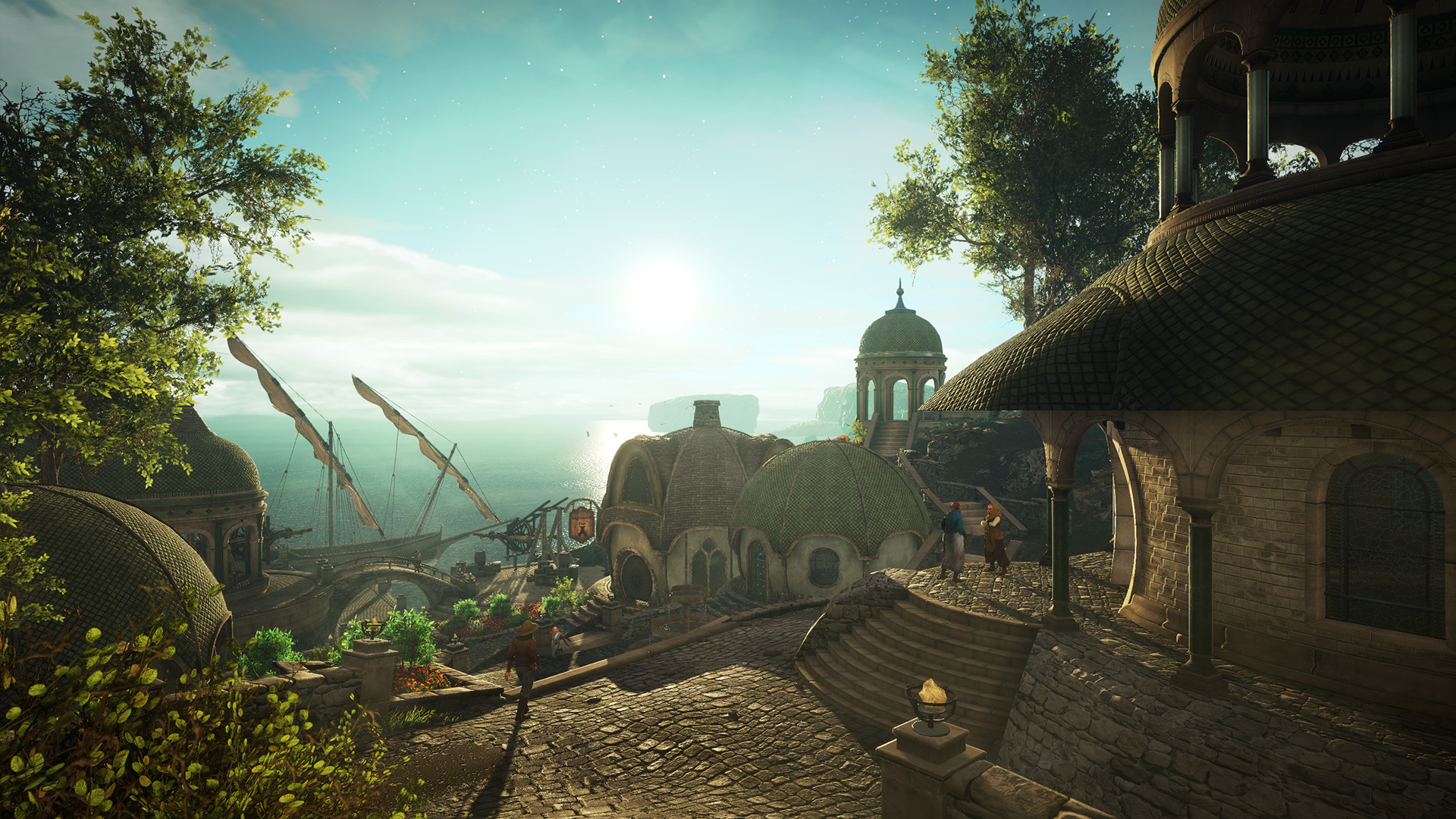
Exploration also involves collecting materials and finding schematics. Those resources let you craft what is needed to surmount natural impasses and solve quests, linking travel to a modest form of preparation. A blocked route can send you looking through nearby surroundings or talking with people who may know more; learning a recipe or acquiring its materials can then make another approach possible. Crafting offers practical answers to obstacles without turning the trip into a combat upgrade system. The result is a loop of reaching a limit, gathering information or supplies, and trying a new way forward, while the landscape remains the thing you are travelling through rather than a succession of detached stages.
Conversations provide another kind of discovery. The inhabitants have dynamic dialogue with topics that can be found as you explore, and conversations can branch according to what you choose to discuss. Helping one person or learning something in one place can affect later interactions and outcomes as you meet other characters. The stories are described as interwoven micro-stories, so the island’s narrative is distributed among its residents instead of being presented only as a single linear account. That structure encourages revisiting what people say and paying attention to how one encounter relates to another. The player can make friends, offer help and carry knowledge between conversations, with decisions changing how future meetings unfold.
Eastshade's destinations are broad but varied: cities give you places to meet residents, summits provide elevated destinations, and natural impasses separate accessible ground from forgotten places. These are not just labels for scenery. A summit can form a clear goal in the landscape, while a barrier gives crafting, materials and schematics a concrete purpose. A painting request may direct attention toward a location or a particular view, and conversations can add reasons to travel between settlements and the wider terrain. The island is an open world to cross at your own pace, where looking, listening and overcoming a local obstacle can each reveal a different part of it.
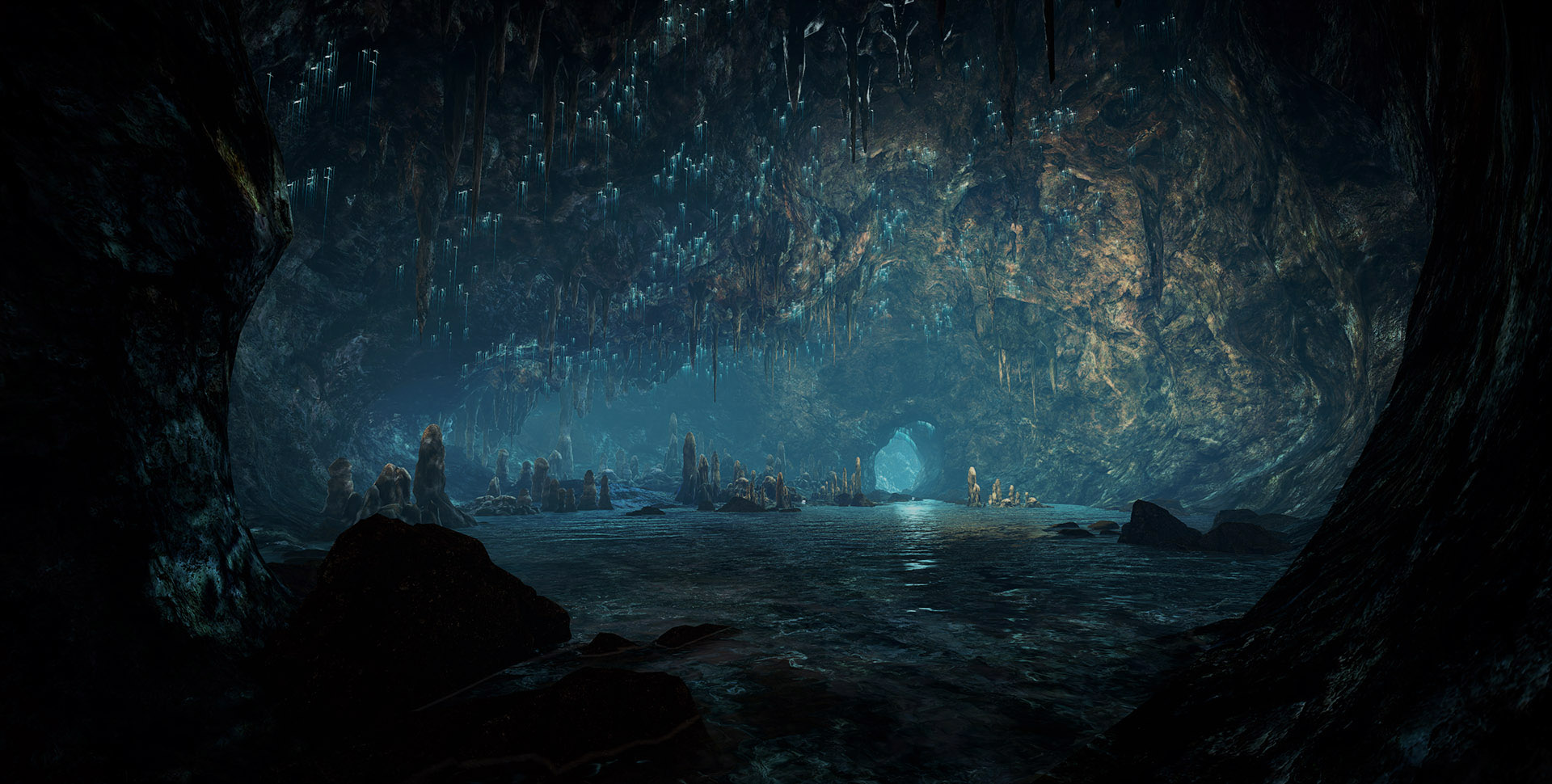
Together, the systems make patient exploration productive. Moving through the island reveals people, views, materials and new topics; those discoveries can support a painting, a crafted solution or a later conversation. Paintings can return useful objects or knowledge, while dialogue choices and actions may change subsequent encounters. The world also offers mysteries and secrets to uncover, and the developer describes the player’s actions as having effects on the world around them. That keeps exploration tied to consequence without requiring a single prescribed route through every story. You travel, notice what the place contains, respond to what its inhabitants ask, and use what you learn to reach further into the island.
- Developer
- Eastshade Studios
- Genre
- First-person open-world adventure