
About Dreamfall Chapters
Across the parallel worlds of Stark and Arcadia, Zoë Castillo, Kian Alvane and Saga are caught in a crisis connecting dreams, politics and reality. Dreamfall Chapters: The Final Cut gathers the five-book adventure into one remastered story, where exploration, dialogue, environmental puzzles and consequential choices shape each character’s journey.
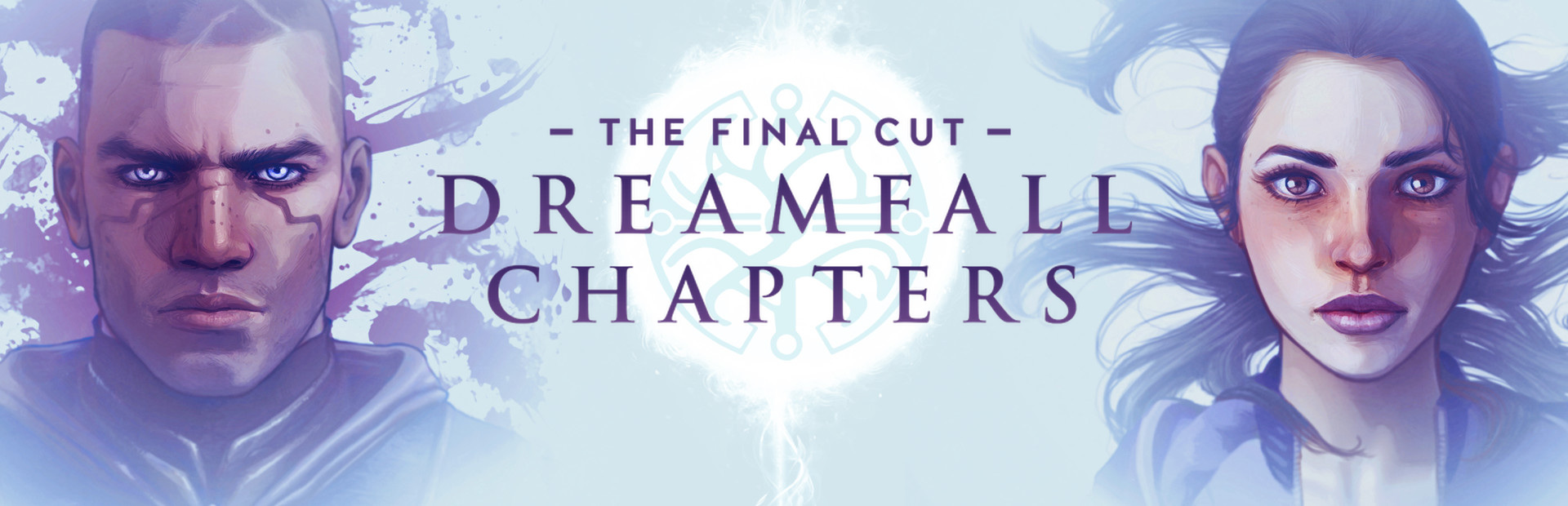
Dreamfall Chapters: The Final Cut follows three playable characters whose stories move between worlds shaped by science and magic. Zoë Castillo lives in Europolis, a corporate-controlled European city in Stark, where she is trying to recover from a coma and understand the dreams and identity questions surrounding her. Kian Alvane is an Azadi Apostle and former assassin who has turned against his own rulers and joined a rebel cause in the Arcadian city of Marcuria. Saga, a child in a house between worlds, forms a third strand that connects the story’s questions of memory, dreams and history. Their paths take place in a saga that began with The Longest Journey, but Chapters is its own complete game and has its own cast, conflicts and third-person adventure design. The story’s two worlds are not simply alternate scenery: the futuristic city and the magical realm have different political orders, inhabitants and immediate dangers. A recurring dreaming sickness links otherwise distant lives and events, giving the three characters a shared problem without making their personal goals identical.
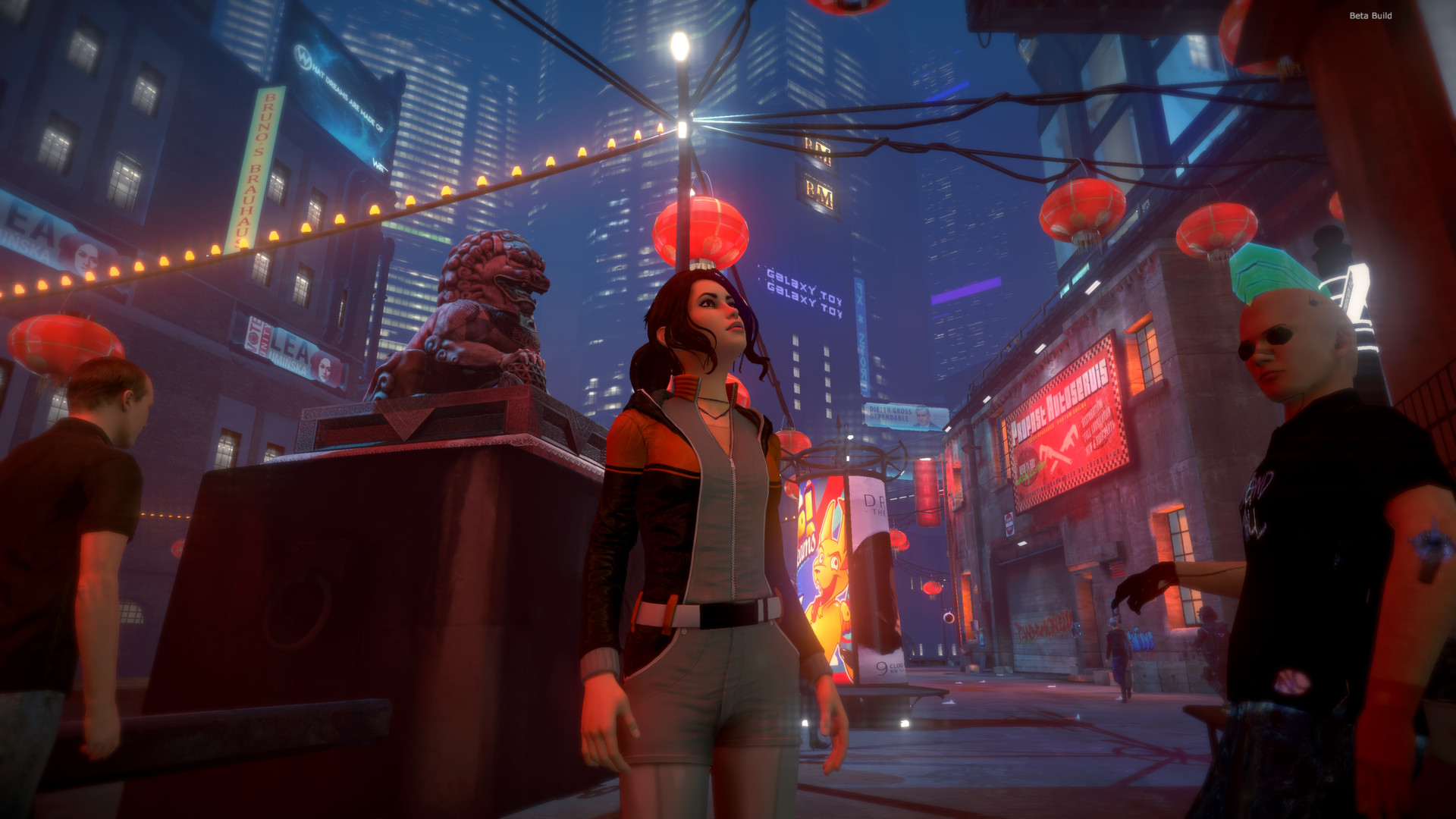
Stark presents an uneasy near-future through dense urban blocks, public spaces and the routines of people living under corporate power. As Zoë walks through Europolis, the setting includes shops, transport routes, apartments, public infrastructure and streets busy with conversations. Background activity gives an impression of a city in motion: people talk about local concerns, machines and cyborg police occupy the same spaces as ordinary residents, and details in the environment invite inspection. Arcadia offers another kind of social texture. Marcuria is a fantasy city where humans and magical peoples live under a political order that does not treat them equally. Kian’s presence there is complicated by his former role in the Azadi regime and his association with those who resist it. Beyond the city, the magical world includes settlements, institutions and landscapes connected to its history. The game contrasts these societies without reducing them to a simple science-versus-magic conflict; questions about who holds authority, whose account is trusted and how people live with imposed rules recur in both. Exploration lets the player notice these details while following the characters’ main concerns.
The game is played from a third-person perspective as the current character moves through authored environments, examines objects and speaks with people. Exploration often means looking closely at a space, checking a route or finding an item that lets a character continue. Some puzzles ask the player to combine observations with objects or interact with machinery and environmental details. Their scale varies: a task may be a short object search, while another requires understanding a device or following clues within a location. Conversations are central to navigation as well as characterization. People can offer information, direct a character toward a place or respond to earlier actions, and dialogue choices let players decide how to approach a situation. The game does not use combat as its main activity. Instead, it builds interaction around movement, observation, puzzles and conversations, with story scenes and exploration alternating as each character’s path advances. The result is an adventure where finding what to do next is closely tied to learning how the person in front of you understands the situation.
Choices occur in conversations and in actions that can affect relationships, later scenes and the course of each character’s story. Some decisions are small exchanges that establish tone; others carry forward and change how a person responds or which events follow. The game signals that certain choices matter, but it does not turn every line of dialogue into a branching route. This gives the player room to form an interpretation of Zoë, Kian and Saga, then choose what each might say or do under pressure. Information can also arrive indirectly: a character may overhear a conversation or observe a detail without interrupting it, allowing the world to supply context beyond direct questioning. The central structure stays authored and story-led, while selected actions have consequences that become visible later. It is useful to distinguish this from an open-ended role-playing system: the player guides decisions inside a written narrative rather than building characters from statistics or freely selecting quests. Exploring, asking questions and choosing responses are all parts of how the parallel plots develop.
Progress is organized into five connected books that together form a complete narrative. Each book moves the characters into new situations and lets earlier choices feed into later interactions. The player alternates among the three leads as their separate objectives and discoveries begin to overlap. Zoë’s search for answers and Kian’s involvement with the Marcurian resistance provide contrasting viewpoints, while Saga’s unusual position broadens the story’s scale. There is no equipment tree or combat-stat build to optimize; advancement comes from reaching new story chapters, understanding the problems in front of each character and making decisions. Environmental puzzles function as local gates within that progression. Solving them can open a path, reveal another story beat or provide the practical step that lets a conversation or scene continue. Optional details and dialogue reward slower exploration, but the overall journey is directed by the book sequence. This structure lets the adventure shift between personal moments, political conflict and more surreal dream imagery while keeping the same three characters at its centre.
The visual presentation places detailed 3D characters and locations within distinct artistic worlds. Stark is built around a cyberpunk future: luminous signage, urban architecture and corporate technology make Europolis feel dense and highly controlled. Arcadia draws on fantasy forms, with older structures, magical inhabitants and an atmosphere shaped by its own political history. Dream sequences provide a less stable visual register that can move away from ordinary geography. Dialogue and character performance carry much of the storytelling, and the soundtrack helps distinguish places and moods as the player moves between them. The Final Cut revises the original presentation with redesigned character models, improved lighting, effects and animation, along with remastered dialogue and sound design and an expanded soundtrack. The edition also includes additional features such as playable deleted scenes, a concept-art gallery and character profiles. These additions sit alongside the complete adventure, rather than replacing its core structure. Its visual and audio changes are part of what makes this version a distinct, consolidated presentation of the five-book story.
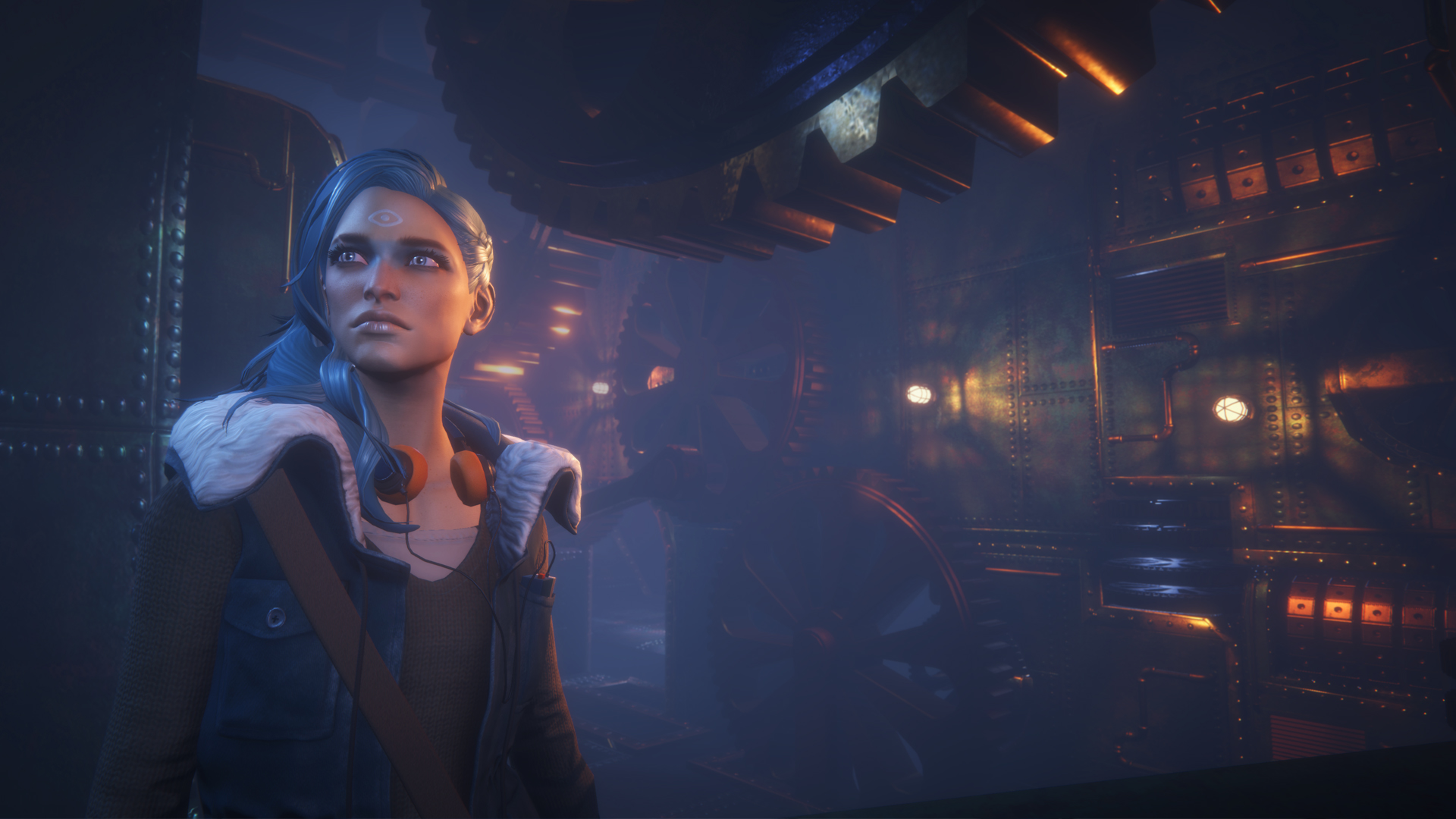
The Final Cut brings the five books into one remastered adventure rather than asking the player to buy and follow separate episodes. Red Thread Games reworked character models, lighting, effects, animation, dialogue and sound, and added playable deleted scenes, a concept-art gallery and character profiles. Those extras sit beside the main journey through Europolis, Marcuria and the dreamscape. The deleted scenes can be played, while the gallery and profiles provide a separate look at visual design and the people in the story. They supplement the authored adventure without replacing its sequence of five books. Chapters shares Stark, Arcadia and parts of its cast with The Longest Journey and the 2006 Dreamfall, yet its focus is Zoë, Kian and Saga facing the consequences of their own decisions. It is a directed, third-person story that gives room to look closely at both worlds, talk to their inhabitants and carry a choice into a later scene. The complete edition keeps that five-book progression intact while presenting the three paths as a single connected narrative.
- Developer
- Red Thread Games
- Genre
- Narrative third-person adventure