
About Dragon Age II: Ultimate Edition
Dragon Age II follows Hawke, a Fereldan refugee whose family escapes the Blight and seeks a new life in Kirkwall. Recounted years later by the dwarf Varric, the story traces a decade of alliances, conflicts and personal choices as Hawke becomes a central figure in the city. Dialogue, party relationships and tactical combat shape that rise.
Dragon Age II is framed as a story Varric tells years after the events, with the dwarf being questioned about how Hawke became Kirkwall’s Champion. The tale begins as Hawke and their family flee Ferelden during the Fifth Blight, then follow a route across the sea to Kirkwall. Hawke’s class and gender are chosen by the player, while the family’s circumstances and the choices made in earlier Dragon Age: Origins can provide context for the account. Varric’s role as narrator makes the structure part of the fiction: the player is not simply following events in sequence but hearing a survivor assemble a public version of a contested history.
Kirkwall becomes the main setting for Hawke’s rise. The city is a port and political centre in the Free Marches, and the story returns to its districts and nearby locations over a span of ten years. Hawke’s family starts with refugee status and limited means, so early decisions and work help determine how they establish themselves. As the years pass, Hawke gains influence, meets people with competing interests and becomes entangled in larger disputes. The passage of time gives returning to familiar places a different context: relationships, responsibilities and the balance of power can shift even when the city remains the centre of the journey. This structure also lets a local favour grow into a longer obligation: a choice made for one person may change the terms of a later meeting after the story has moved forward.
Conversations use a dialogue wheel whose short prompts signal the tone of a response, including diplomatic, humorous, aggressive or direct choices. The selected line can differ from the concise text shown on the wheel, and earlier decisions may open or close later options. Questions grouped under an investigation choice can provide information without immediately ending the exchange. A separate response may let a companion speak in Hawke’s place. These exchanges connect dialogue to quests and conflicts, so choosing how Hawke addresses a person can influence who offers help, how a disagreement develops, and what the people travelling with Hawke think of the decision.
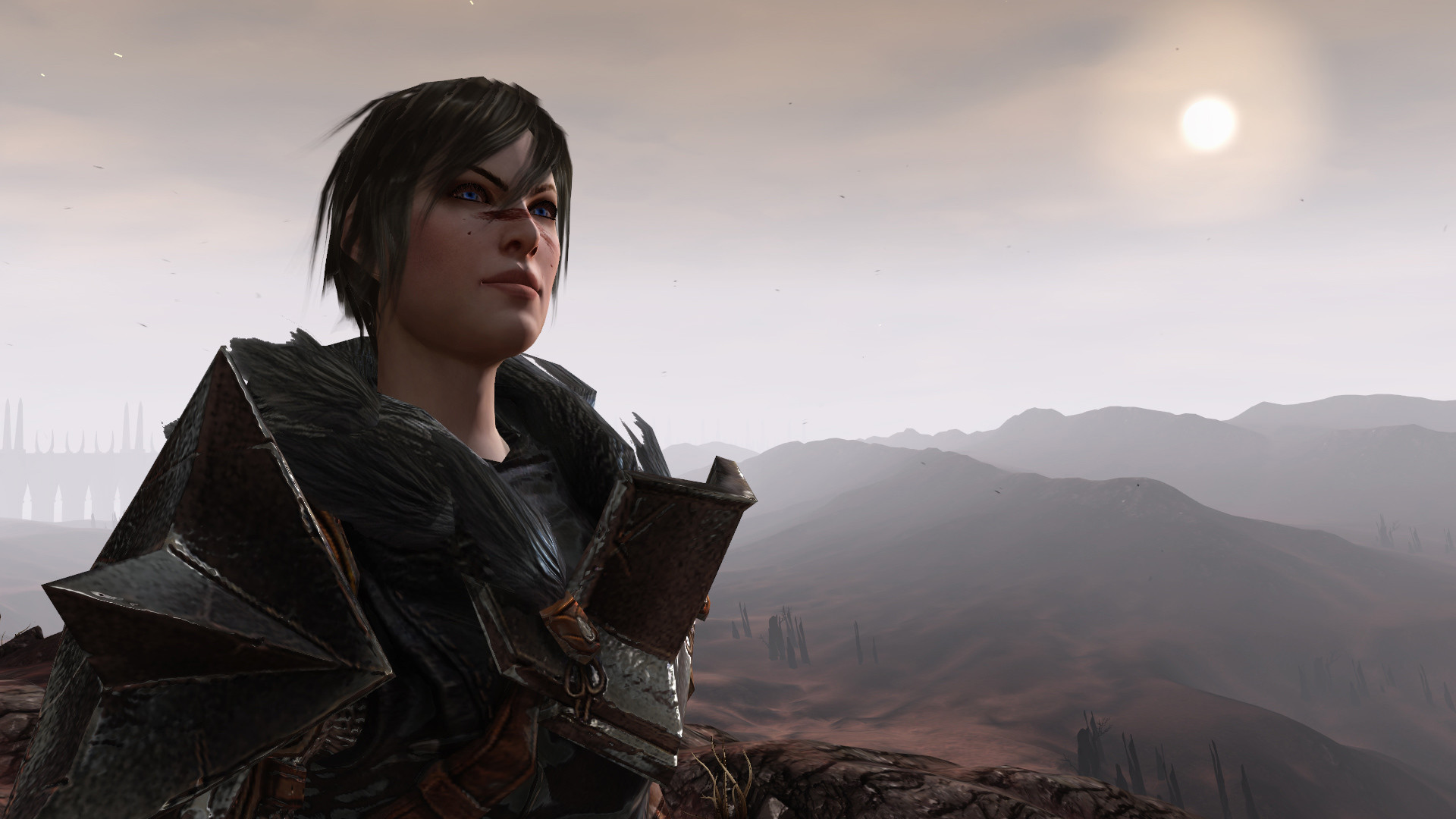
Companions are recruited as Hawke’s story develops, and the active group is built around four combatants. Each has a home base in Kirkwall, where a visit can lead to conversations, personal quests or further relationship changes. Their approval is tracked as friendship or rivalry: supporting a companion’s outlook moves the relationship toward friendship, while opposing them can deepen rivalry rather than simply ending the bond. Reaching the end of either path unlocks a passive ability in that companion’s personal ability school. The relationship system therefore joins the social and progression parts of the game, making repeated conversations and decisions relevant to how a companion develops.
Hawke can be a warrior, rogue or mage, and the choice determines the abilities available and the way Hawke fights. Warriors meet enemies at close range with heavy weapons or shield and blade; rogues use paired daggers or ranged attacks and are the party’s specialists for locks and traps; mages use spells and can heal allies. Battles run in real time, with a tactical pause available to issue individual commands and set up abilities. The player may switch between party members, while companions can act on their own or follow instructions in the tactics menu. A conditional rule can, for example, tell a mage to cast Fireball when enemies cluster, or to heal a party member below a health threshold. Each class also brings a different rhythm to a battle: warriors regain some stamina when they defeat foes, rogues recover it with hits, and mages steadily regenerate mana. That difference influences how often a player can rely on abilities and how a party should divide roles over a longer encounter.
Character growth comes from quests, codex discoveries, combat and some party actions such as a rogue opening a lock or disarming a trap. Level increases provide attribute and ability points to spend, with additional specialization choices for Hawke at later milestones. Warrior talents and rogue talents draw mainly on stamina, while mage spells use mana; the classes replenish those resources in different ways. Many abilities have costs and cooldowns, and the ability trees mix active attacks, sustained modes and passive bonuses. Equipment and upgrades complement these choices, while prerequisites determine which advanced talents can be learned next.
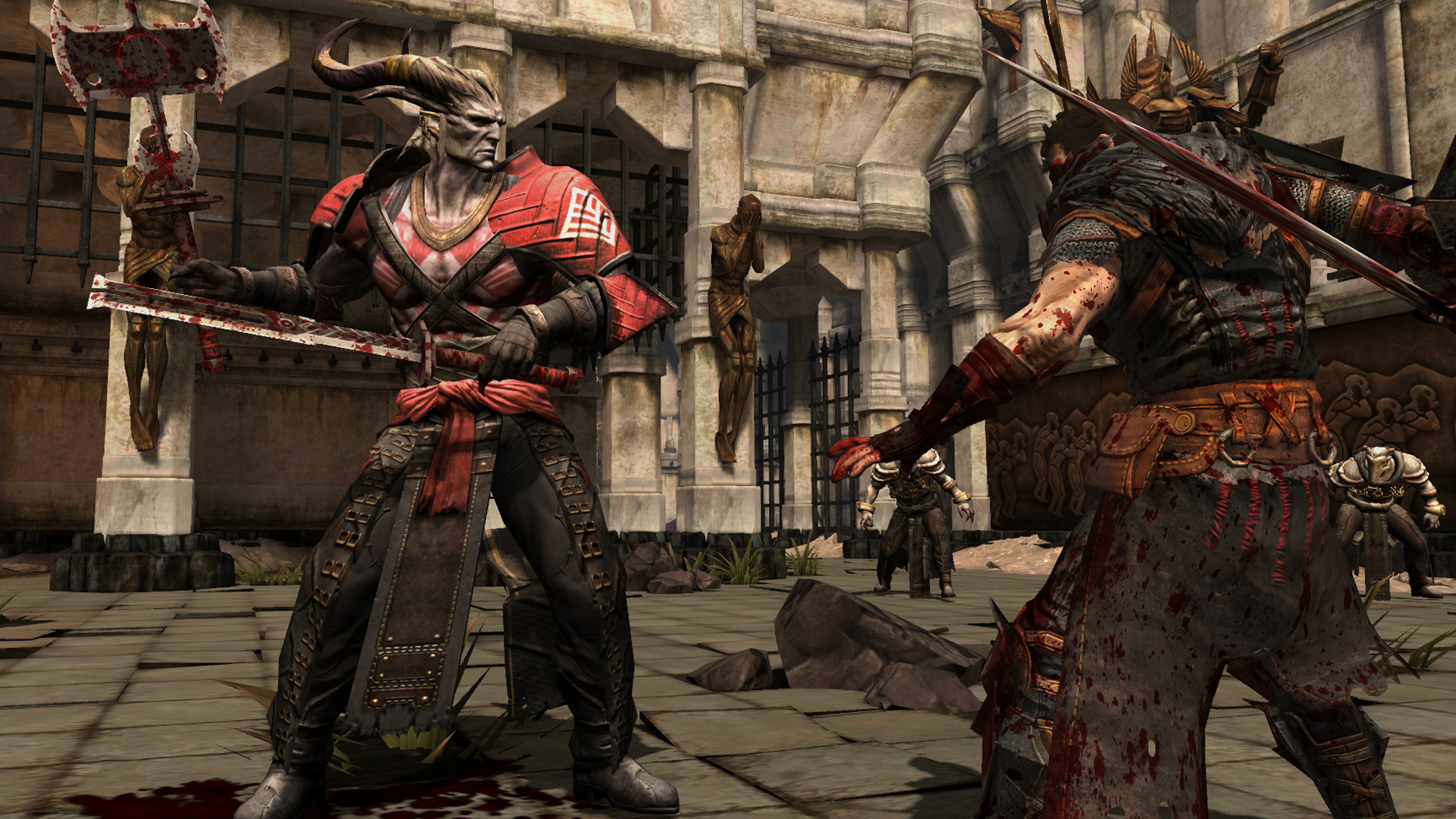
Combat decisions also depend on positioning, enemy threats and how party members support each other. Tactics are organized as ordered conditions and responses: the game checks them from the top down, so urgent responses such as healing can take priority over a damage ability. As characters gain levels, more condition and action slots allow longer sets of instructions. Tactical control can be adjusted to suit a fight, from relying on companions’ automatic actions to pausing frequently and directing each character yourself. On the highest difficulty, attacks and spells can injure allies as well as enemies, so target selection and spell placement become part of the plan. Cross-class combinations add another layer: one class can stagger, disorient or make an enemy brittle, allowing another to trigger an extra attack effect against that opening. For example, a warrior can stagger a target and a mage or rogue can exploit its weakened defenses; a mage can make an enemy brittle for a warrior’s heavier strike. These effects are brief tactical setups, not just separate attacks, so the order of abilities matters. The combat system rewards reading who is threatened, which resource each character can spend and whether a precise pause can prevent an ally from taking damage.
- Developer
- BioWare
- Genre
- Role-playing game