
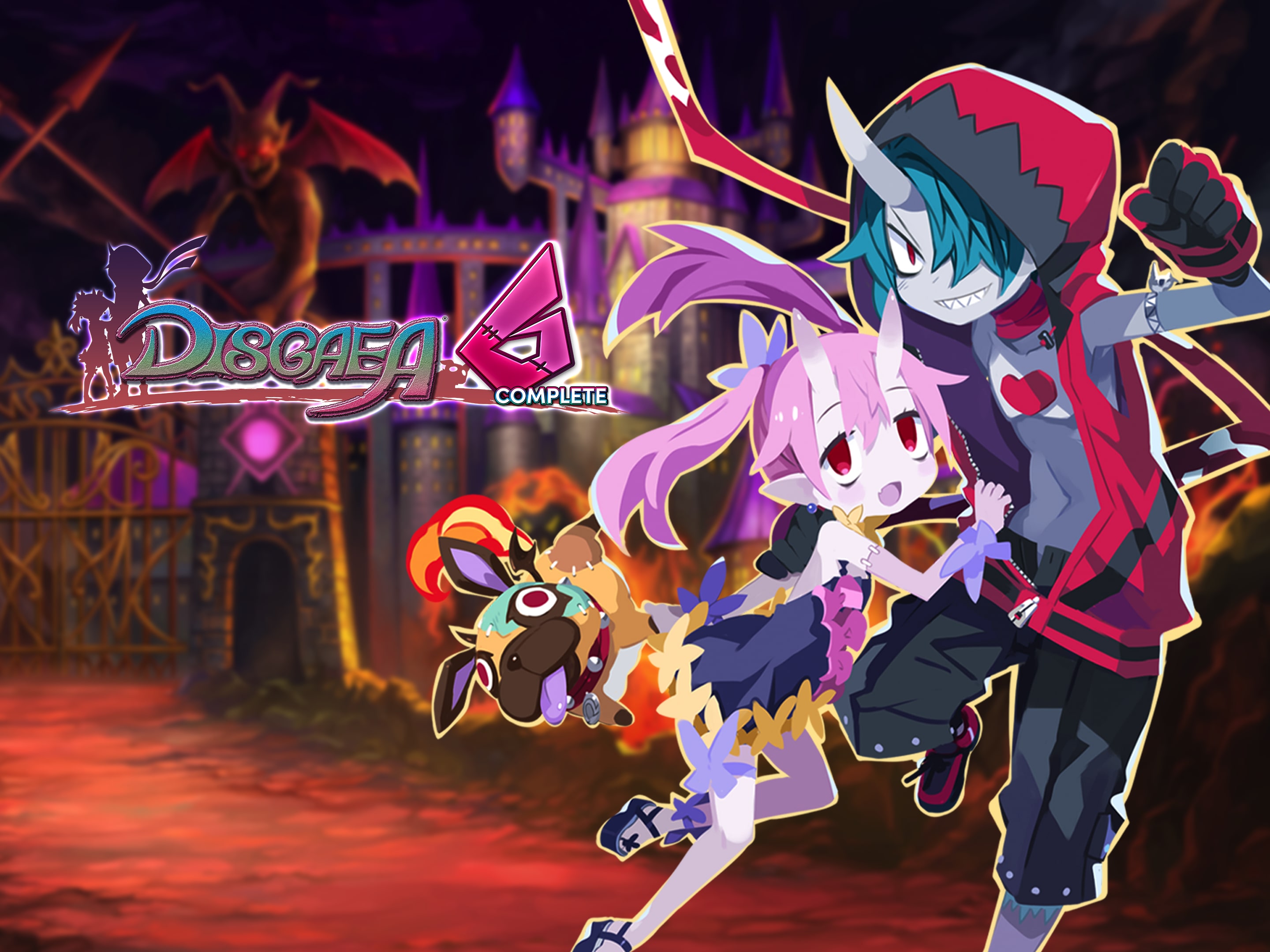
About Disgaea 6 Complete
Zed, a zombie from the lowest rung of the Netherworld, sets out with his sister Bieko to challenge the God of Destruction. This strategy RPG links grid-based battles with Super Reincarnation, character growth, and configurable auto-battle systems. Disgaea 6 Complete bundles character and cosmetic DLC released for the earlier game, plus new recolor content.
Disgaea 6 Complete follows Zed, a zombie who lives at the bottom of Netherworld society with his sister Bieko. Their uneasy routine is broken when the God of Destruction threatens their world. When Zed is defeated, he relies on Super Reincarnation to return in another Netherworld and try again. The story uses this cycle to send him through a succession of strange demon realms, where he meets allies and faces new battles on the way back toward his goal. The bond between Zed and Bieko gives that repeated struggle a personal centre, while encounters with other Netherworld residents give the campaign its comic, unruly tone. The premise sets up two kinds of escalation at once: Zed keeps pushing toward a threat far beyond his current power, and the player repeatedly develops a party capable of handling the next stage. The narrative stays focused on that struggle and on the bonds Zed forms along the way, without requiring knowledge of earlier Disgaea stories.
The campaign is built from story scenes and individual battle stages rather than a continuous open-world map. Between fights, the Netherworld base gathers the facilities used to prepare the party, spend resources and review character growth. A stage places a selected group on a square battlefield with enemies, obstacles and a clear objective; the player moves units across the map, chooses their actions and ends the turn when the formation is ready. This makes movement a question of range and placement. A fighter must reach the right tile to attack, a ranged unit needs a suitable distance or target area, and allies can be arranged beside one another to support attacks. The maps are the main spaces for tactical exploration, while the Item World provides a separate way to enter changing battle layouts inside equipment. The result is a structured loop: travel through the story by clearing stages, return to the base to adjust the roster, then choose whether to advance or spend more time on optional battles and growth systems. Only part of the force can be deployed at once, so choosing a field team is another part of preparation. A throw can extend its reach, nearby placement can enable a joint attack, and a unit left outside a safe position may be exposed when the enemies respond. Stage rewards then feed back into the base: stored experience can bring reserve characters forward, while currency and Mana support the facilities that help prepare the next formation.
Combat gives each unit a turn to move and act, with weapon choices, class skills and special attacks defining what it can do once it reaches a target. Position can alter the payoff: attacks from the side or rear can add damage, and nearby allies may join a team attack. The Lift and Throw actions let characters pick up allies, enemies or objects and relocate them across the field, so one unit can help another cross a gap or place a target within reach. This can turn a line of allies into a chain of throws, but it also means that choosing who moves first matters. Some maps add Geo Blocks and coloured panels whose effects can change the danger or advantage of particular tiles. A battle therefore asks the player to read the board, use character ranges, and decide whether to concentrate on one enemy or reshape the formation. Large monster units take up five panels; their size blocks enemy movement and gives them longer-reaching normal attacks, making them a distinct option when holding space on a crowded map.
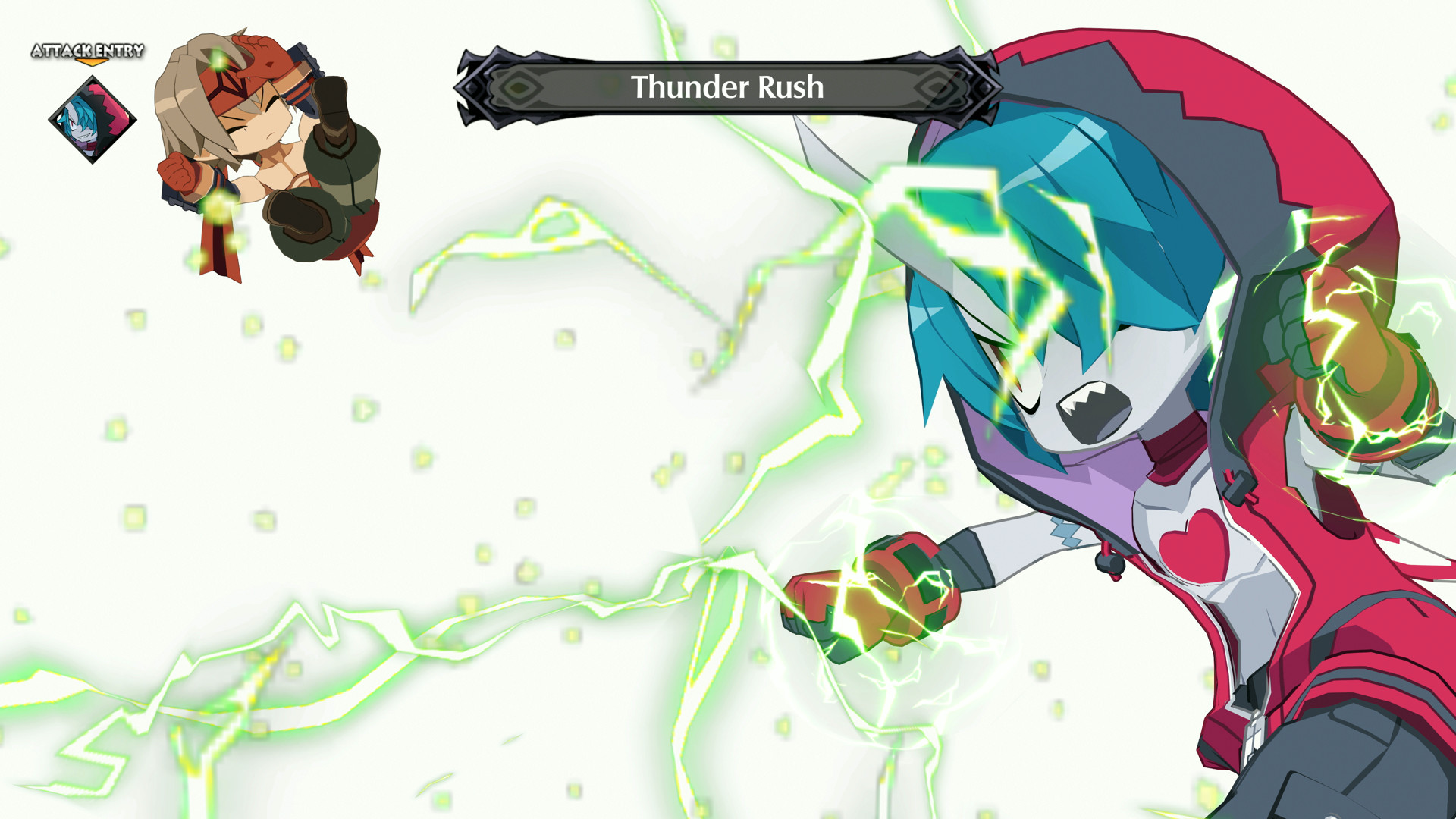
The game also lets the player set battles to run automatically. Auto-Battle handles unit actions, while Demonic Intelligence (D.I.) lets the player specify which skills a character should use against which enemies. High-Speed Modes speed up play, and Auto-Repeat can send the party through the same stage again without manually restarting each run. These options connect directly to the game’s repeated growth loop: a familiar stage can be used to collect more experience, money or other rewards while the player changes the roster and D.I. rules between attempts. Manual control remains available for story fights, map decisions and situations where a programmed instruction needs adjustment. The setup is more than a single on/off switch: the player can tune which characters act, what actions they choose and how fast a repeat plays. That makes the battle layer work at two speeds, from turn-by-turn positioning to planned repetition, and gives the player control over how much of the routine fighting is handled automatically.
Character growth centres on Super Reincarnation and Karma. Reincarnating returns a character to level 1 while strength carries forward, and the process awards Karma that can be spent on stats and capabilities, including movement and counterattacks. A unit can therefore have a low displayed level while carrying development across earlier lives, with Karma providing a separate pool for further upgrades. D-Merits give each character personal goals, such as reaching milestones, and reward their completion with useful growth items including Karma. The Juice Bar provides another route for development: stored experience can raise levels or class proficiency, stored Mana supports base functions, and Extracts can increase individual stats. These shared stocks can be directed toward allies who did not take part in a particular battle, so a reserve member can keep pace with the front line. Class proficiency opens further character options, while Weapon Mastery improves the returns from using a weapon type. Together these systems turn the results of a stage into choices about who to strengthen and which future role to prepare.
The Item World takes the equipment in the player’s inventory and turns it into a series of randomized battle floors. Clearing a floor can lead deeper into the item, where the enemies become more difficult; completing these encounters increases the item’s strength. Innocents found inside can be defeated and subdued, adding their effects to the equipment and allowing the player to move or combine them later. The floors can also contain shops, optional battles and rest points, so a weapon or piece of armour becomes a small progression space rather than a fixed reward. The Item World works alongside the main campaign and Auto-Battle: the player can take the party into an item to improve it directly, or configure routines for repeat combat and use the resulting resources elsewhere. Other base systems support this loop by turning money, experience, Mana, extracts and class development into separate choices. The game’s long-term challenge comes from linking those resources back to the party, its equipment and the next set of stages, rather than relying only on the level shown beside a character’s name.
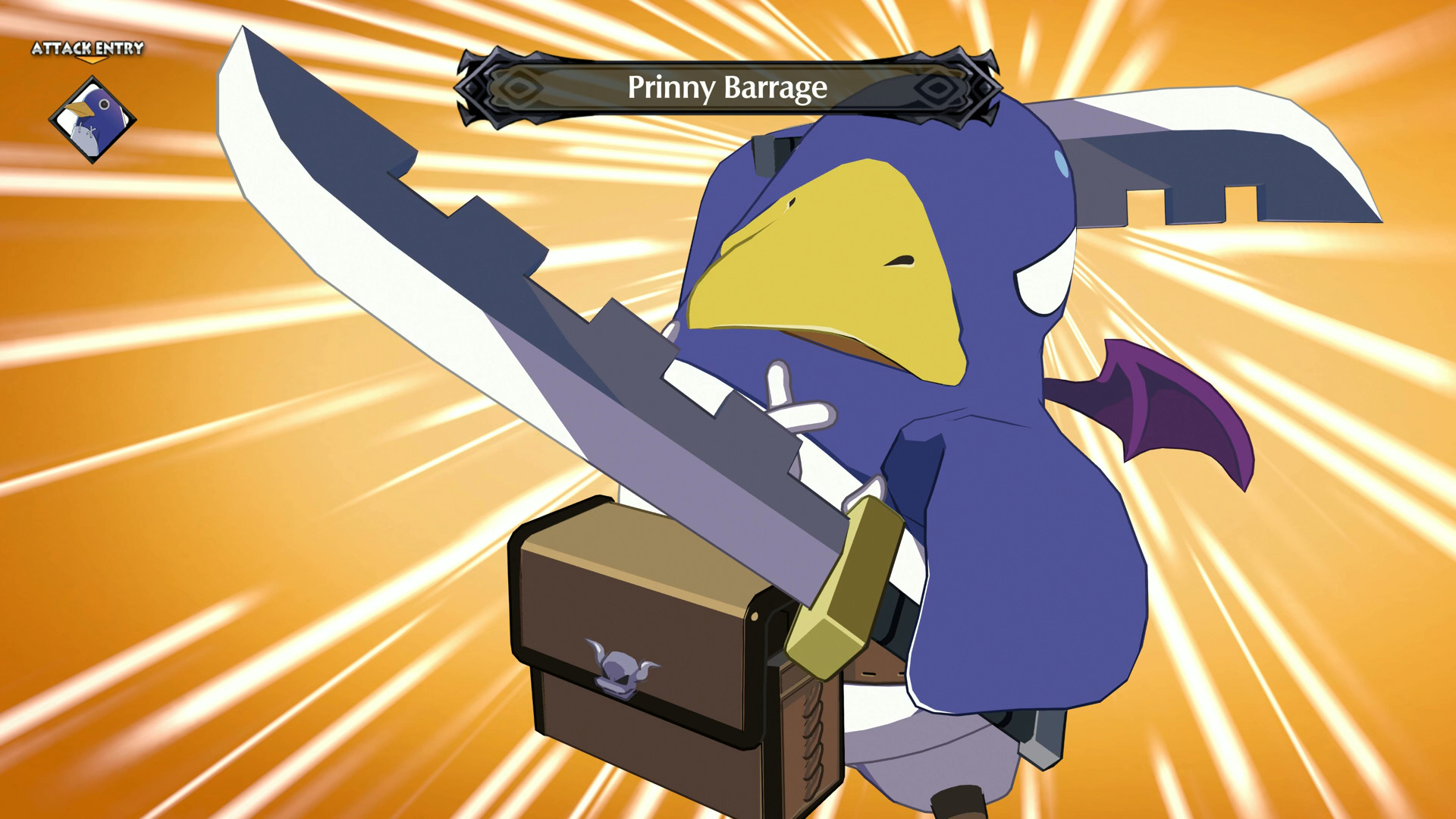
Disgaea 6 Complete is available on PC, PlayStation 4 and PlayStation 5; the earlier release was titled Disgaea 6: Defiance of Destiny. Complete packages the same Zed campaign with previously released character and cosmetic additions, plus new recolor content, rather than presenting a separate sequel or a new story. The game uses 3D character models and animated special attacks, with voiced story scenes and Japanese or English audio. On PC, it is a single-player strategy RPG developed by Nippon Ichi Software and published by NIS America. Related extras such as the digital art book are separate from the game itself. The edition’s focus is the original campaign together with its included character and cosmetic content, while the extra systems keep the stage-and-base rhythm at the centre of play.
- Developer
- Nippon Ichi Software, Inc.
- Genre
- Strategy RPG