
About Deliver Us The Moon
In Deliver Us The Moon, an astronaut returns to a silent lunar colony after the World Space Agency’s energy supply from the Moon abruptly vanished. Explore abandoned facilities, work with the ASE drone, and cross the lunar surface by foot, rover and monorail while tracing what happened to the mission that once sustained Earth.
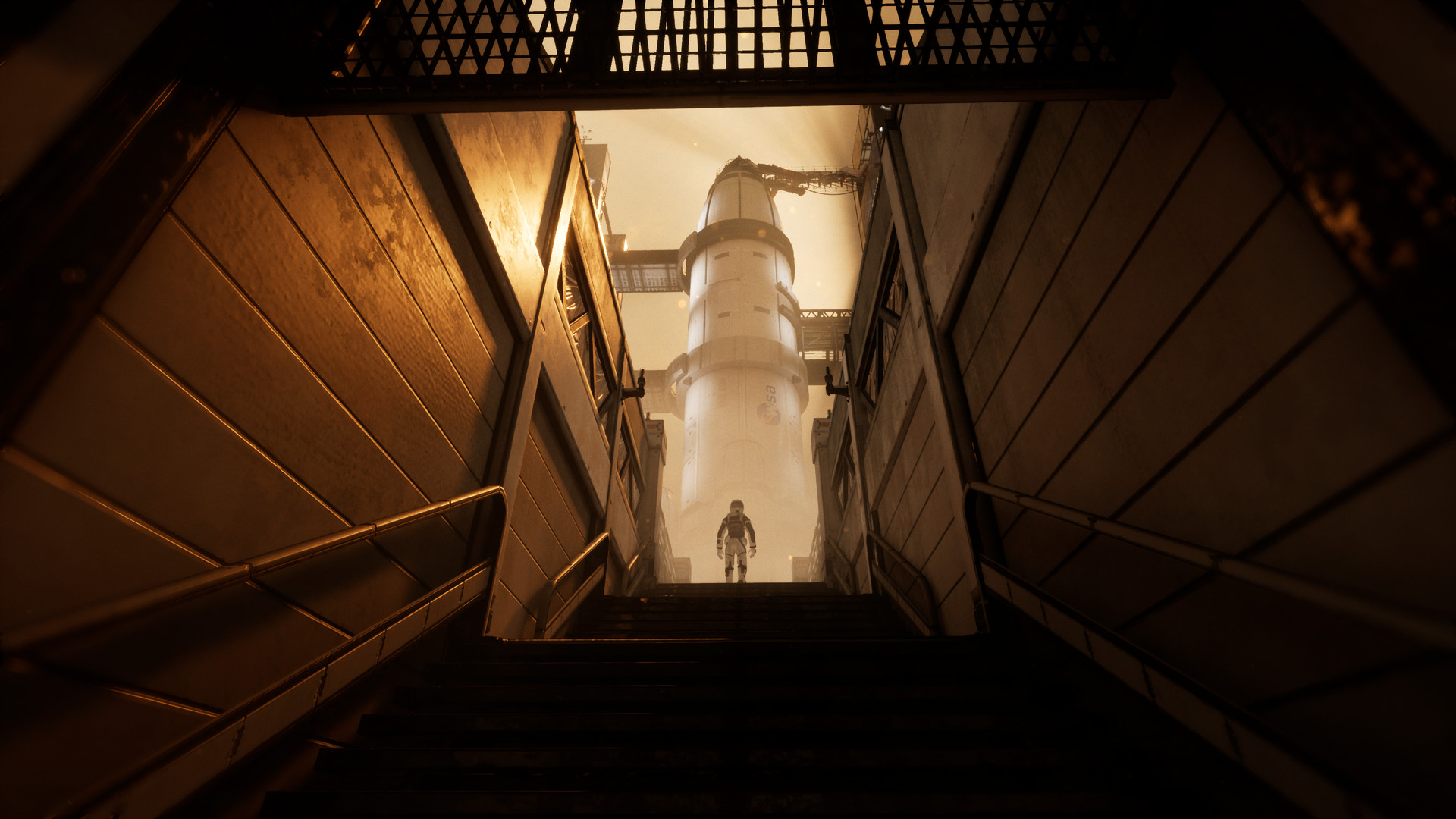
Earth’s natural resources have dwindled, leaving the planet in an energy crisis. The World Space Agency answers with an ambitious lunar program: its colony extracts a promising source of energy from the Moon and transmits it back to Earth. That supply lasts for years, then communication with the Moon stops and the energy feed disappears. Deliver Us The Moon begins after that silence has endured long enough to place humanity’s future in doubt. You take the role of Earth’s last astronaut, sent to investigate the abandoned WSA complex and find out why the lunar operation failed. The premise gives each facility a practical purpose and a human history: this was a working settlement whose equipment, records and routines were left behind in the middle of a crisis.
The mission starts with a launch from Earth and continues through a space station before reaching the lunar surface. The game shifts between first- and third-person views as the astronaut operates machinery, moves through enclosed base interiors and crosses exposed ground. Inside a facility, progress often means locating a route through linked rooms, understanding what a console or powered device needs, and using the equipment available to restore access. Outside, landmarks and the shape of the landscape help orient the journey. The game does not frame this as a broad combat expedition; attention stays on moving through the environment, handling technical obstacles and learning why the colony fell silent. Each new area extends the investigation while making the Moon’s distance from Earth felt through isolation and limited supplies.
A small robot called ASE accompanies the astronaut and gives the mission a second way to interact with the lunar installations. The drone can be sent where a suited person cannot easily go, helping reach locked-off spaces and work with technology built into the abandoned base. Its role is practical rather than conversational: ASE is a tool for getting through the colony, as well as the only companion in an otherwise quiet journey. The Astrotool provides another way to examine the past, scanning objects and records that might otherwise look like ordinary debris. These interactions make the player inspect rooms closely. A terminal, a damaged piece of equipment or a trace left by a former worker can explain how a space was used and supply context for the route ahead.
Puzzles connect exploration to the colony’s energy infrastructure. Obstacles can require the astronaut to understand how a room is arranged, operate machinery or use a tool to make a blocked path accessible. The WSA’s lunar technology is not just scenery: restoring a system changes what parts of the facility can be reached and keeps the mission moving. The game also includes varied sequences, such as handling equipment during spaceflight and navigating the unusual movement of low gravity. Rather than relying on a single repeated interaction, it alternates between examining an area, solving a physical or electrical problem and traversing the space opened by that solution. The individual challenges sit within the astronaut’s larger task of returning the lunar operation to a condition where it can be understood.
The Moon can be crossed on foot, in a rover or by monorail, and these modes give the journey different scales. Walking through an interior encourages close inspection of rooms and equipment; a vehicle links separated points across the open landscape; and station transport carries the astronaut between parts of the lunar complex. Movement also reflects the setting. In low gravity the astronaut can float and redirect themselves, while exterior excursions demand attention to the spacesuit and its oxygen supply. An airless environment turns the suit into essential equipment, so leaving a safe interior has a tangible cost. These changes in movement make navigation part of the play: the same destination may involve careful indoor searching, a ride over exposed ground or a weightless passage through an orbital structure.
Clues about the missing workers are spread across the facilities rather than delivered only through a continuous conversation. Scanned objects, documents, audio diaries, photographs and holographic scenes provide different fragments of the colony’s past. Some recordings show moments directly, while written or recorded material supplies details that a silent room cannot communicate on its own. Reading or listening as you go helps connect the WSA’s everyday work with the larger events that stopped its energy project. The astronaut is investigating an absence, so these traces do much of the work that living characters might perform in another adventure. Optional discoveries can deepen the account of who worked on the Moon and what mattered to them, while the main route continues toward the central mystery without requiring a complete collection.
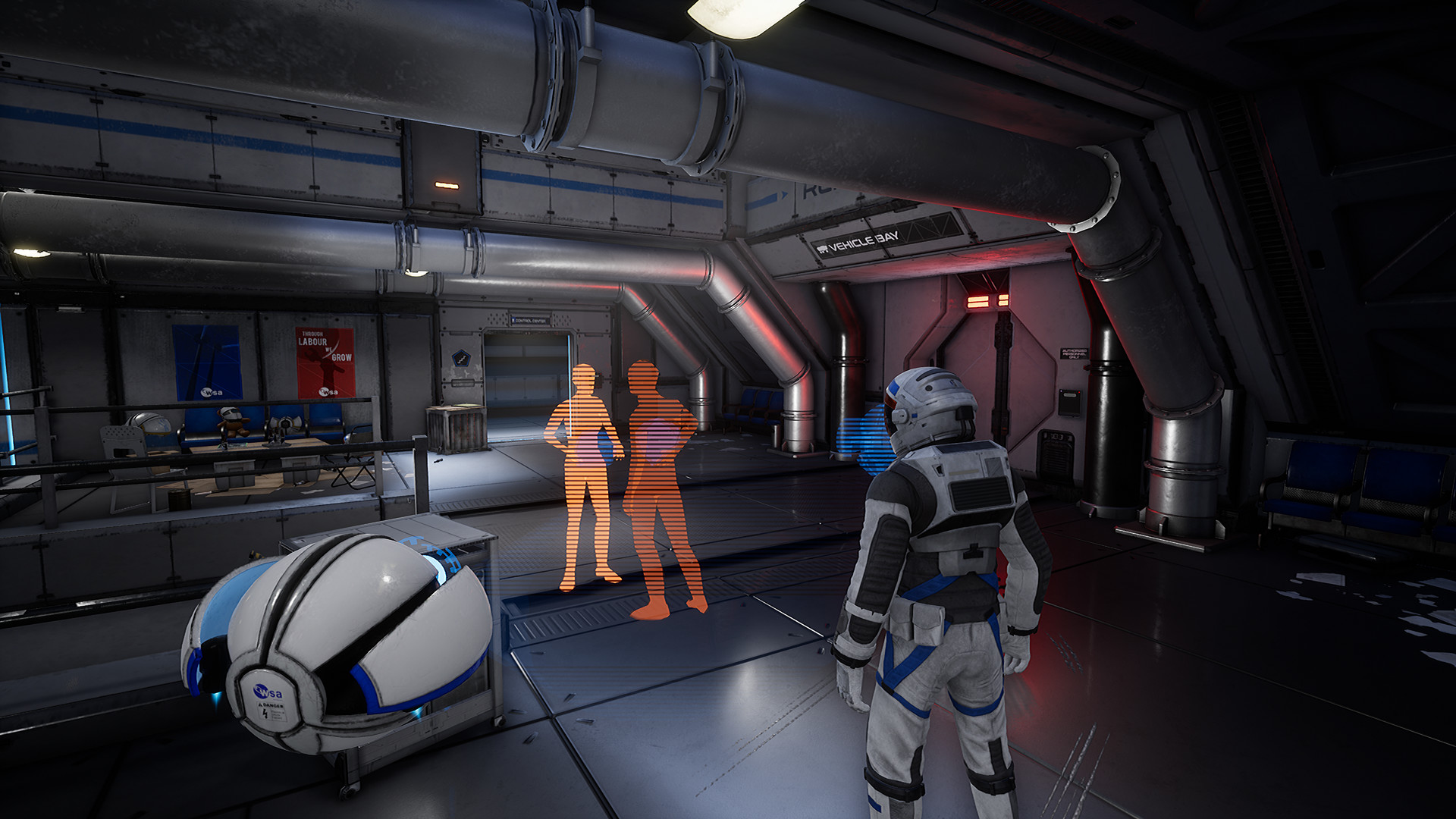
Some passages change the task from diagnosing machinery to moving unseen around rogue sentry robots. These stealth sections ask the astronaut to find a way through occupied corridors while the machines search the area; the danger comes from being detected, so the player has to watch the patrol space and time a move past it. The contrast gives the abandoned WSA complex a different kind of obstacle from locked doors or unpowered terminals. Instead of examining a console until its logic becomes clear, the immediate problem is how to cross a room without drawing a robot’s attention. This is a brief change of pace within the larger exploration and puzzle adventure, and it remains part of the astronaut’s attempt to reach the next section of the lunar facility.
- Developer
- KeokeN Interactive
- Genre
- Science-fiction adventure with exploration and puzzle-solving