
About DEATH STRANDING 2: ON THE BEACH
Sam Bridges is drawn back into a mission to reconnect people beyond the United Cities of America. Travelling from Mexico to Australia with companions, he crosses hazardous terrain, delivers cargo, develops new skills and chooses how to confront or avoid otherworldly and human threats.
Sam Porter Bridges returns eleven months after the first game. Living quietly with Lou, his bridge baby, he is drawn back into a journey when Fragile asks for help. An incident in Mexico leads him onward to Australia, where the larger task is to cross the continent and reconnect a society divided into isolated communities. The premise extends the series’ concern with human connection while taking Sam beyond the United Cities of America. Companions travel with him, and the route brings him into contact with otherworldly enemies as well as human groups. The question of whether people should have connected hangs over the expedition, giving the delivery work a broader purpose without making every journey a simple march toward a single answer.
Crossing the landscape is a central activity, and terrain changes what a delivery requires. Sam must carry cargo over rocky slopes, unstable footholds and open stretches where the ground itself can become a hazard. Earthquakes may throw him off balance and send rocks down a mountainside, so reducing a load can be useful before attempting rough ground. Heavy rain can turn rivers into flooded obstacles that need to be avoided. These events make route choice a practical task: the shortest line is not automatically the safest, and cargo weight, visibility and environmental conditions all affect how confidently Sam can travel. The landscapes include Mexico and Australia, with varied terrain and wildlife, so journeys involve reading the ground and responding to conditions rather than simply following a marked road.
Deliveries remain the organizing loop: accept work, prepare the load, travel through dangerous territory and reach the people waiting at the destination. The sequel makes a wider range of equipment, structures and transportation available earlier, including motorcycles and trucks. Those options change how a route can be approached. A vehicle can speed travel across ground that suits it, while infrastructure can make a useful path easier to cover; on foot, Sam can adjust the load and proceed more carefully. The choice is not only between walking and driving, since equipment also enables safer detours around enemy-held areas. A delivery journey is shaped by preparation and adaptation as much as by the distance between terminals.
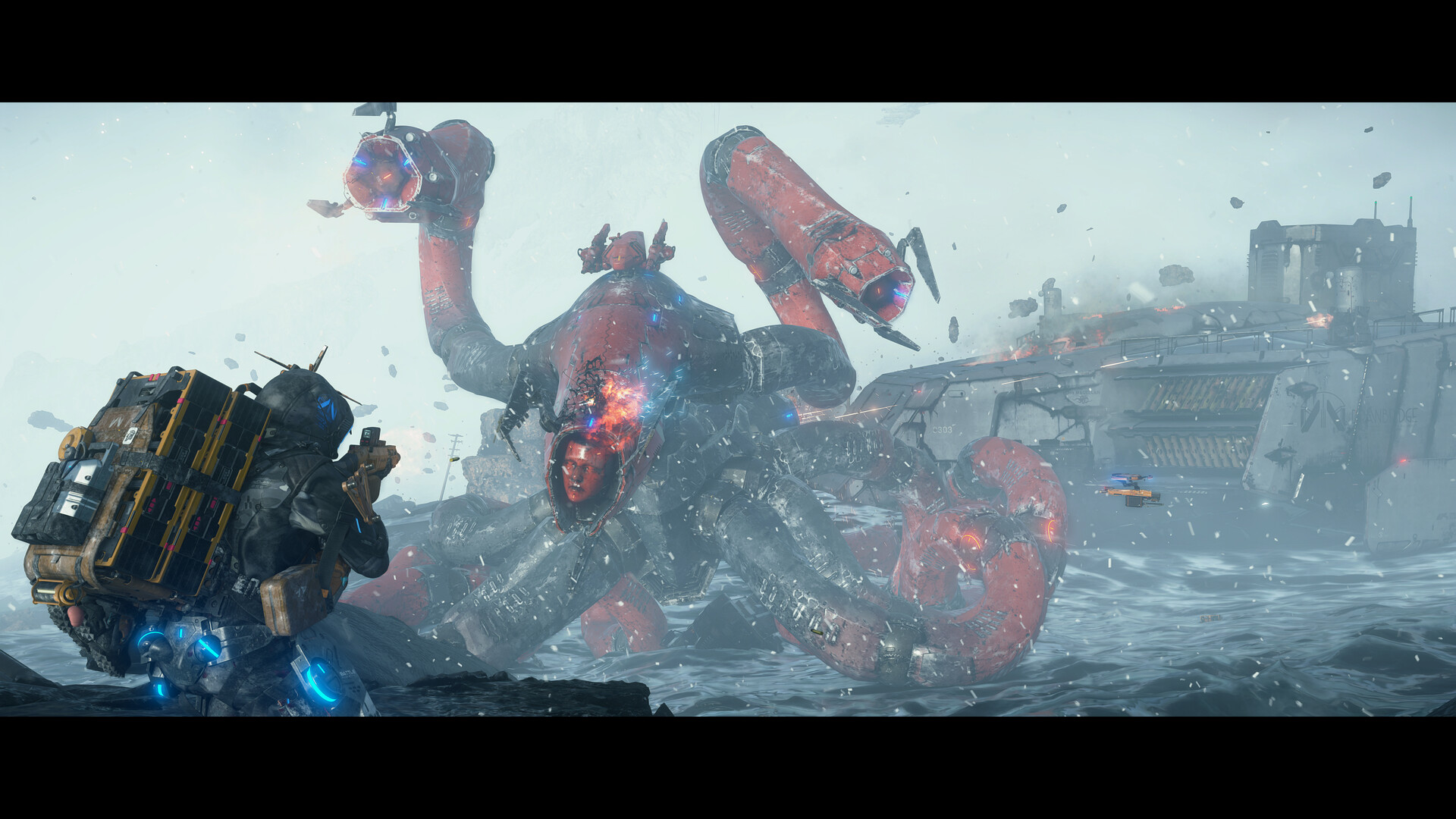
The game places more emphasis on choosing how to handle threats. Sam can carry firearms and bola guns for direct encounters, but combat is one possible response rather than the only route through every danger zone. Smoke grenades can obscure movement and help him evade enemies. The day-and-night cycle adds another layer: daylight improves visibility for Sam and for hostile forces, whereas darkness can make stealth easier while making the route harder to see. A player may weigh clear sightlines against a lower chance of being spotted, then decide whether equipment or a different path is needed. This approach links combat choices to delivery planning, since avoiding or confronting a threat shapes the route and time spent reaching the destination.
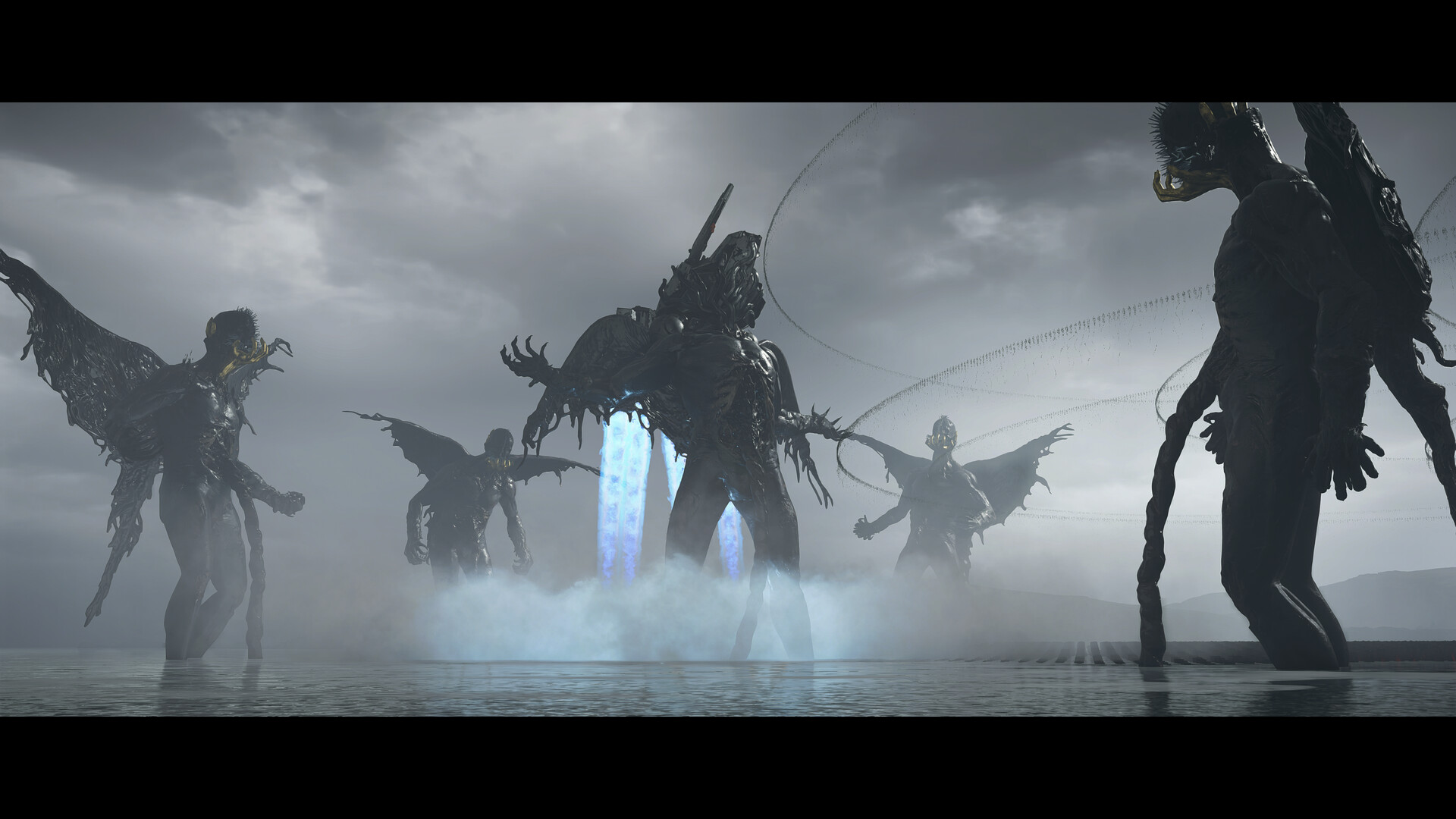
Otherworldly BTs and armed human opponents demand different responses. One new BT type, called a watcher, can detect Sam by sight and attack, so awareness of the surrounding space becomes important when crossing an exposed area. Armed Survivalists use lethal firearms, creating a more conventional threat that can be confronted with weapons or avoided through stealth. New tools widen those options: electrified poles can be used as close-range weapons or thrown to shock enemies and vehicles, while holographic grenades can redirect human opponents. A BT hologram, for example, can cause human enemies to flee. Firearms can support a direct fight, but the same arsenal can also help with stealth and ambush. Encounters fit within the delivery loop, where choosing when to engage can matter as much as winning a fight.
Sam’s abilities develop in response to the way the player travels and fights. The game adds proficiency levels that improve according to repeated activity; spending more time on uneven ground, for example, develops his ability to traverse rough terrain. This creates a link between routine delivery decisions and his longer-term capabilities. APAS Enhancement provides a separate way to customize him: memories collected during the journey can be spent on porter, combat, stealth or servicemanship traits. Because the available memories are limited, improving one area means making a choice about which other strengths to leave for later. Equipment and structures become available as the journey progresses, while these two advancement systems reflect both what Sam repeatedly does and which traits the player deliberately develops. Travel, preparation and character growth feed into one another.
The world’s living details give the long crossings a scale beyond the route itself. Australia includes an animal sanctuary surrounded by lush vegetation and home to kangaroos, koalas and wallabies. A raised aerial camera offers another view of Sam moving through this terrain, showing the breadth of the landscape while he continues across it. These details sit alongside the practical hazards that shape travel: a wide view can help the player take in a stretch of country, while the sanctuary and its wildlife mark Australia as more than another hostile expanse to cross. The journey connects settlements, but it also moves through distinct natural environments with their own visual character.
- Developer
- Kojima Productions
- Genre
- Action-adventure; open-world adventure