
About Dear Esther: Landmark Edition
On a remote island in the Outer Hebrides, a lone traveller follows paths through cliffs, caves and abandoned structures while a voice reads fragments addressed to Esther. Dear Esther: Landmark Edition presents the exploratory narrative in a Unity remake with remastered audio and an optional Director’s Commentary mode.
Dear Esther: Landmark Edition places the player on a remote island somewhere in Scotland’s Outer Hebrides. The landscape is empty of other visible people, but it is not without human history: paths, wreckage, buildings and scattered traces point to lives and events that are only partly understood. As the player begins to walk, a voice reads fragments of a letter addressed to Esther. Those fragments refer to a lost man, a fatal crash and an explorer’s writing, introducing several strands that may seem to overlap without immediately resolving into a single explanation. The game treats these words as pieces of a story encountered during a physical journey. It does not begin by giving the traveller a conventional mission or a full account of who is speaking. Instead, the island and the voice gradually establish a reflective mystery shaped by absence, memory and interpretation. The player’s movement through the landscape gives these thoughts a setting without making the island a conventional puzzle dungeon.
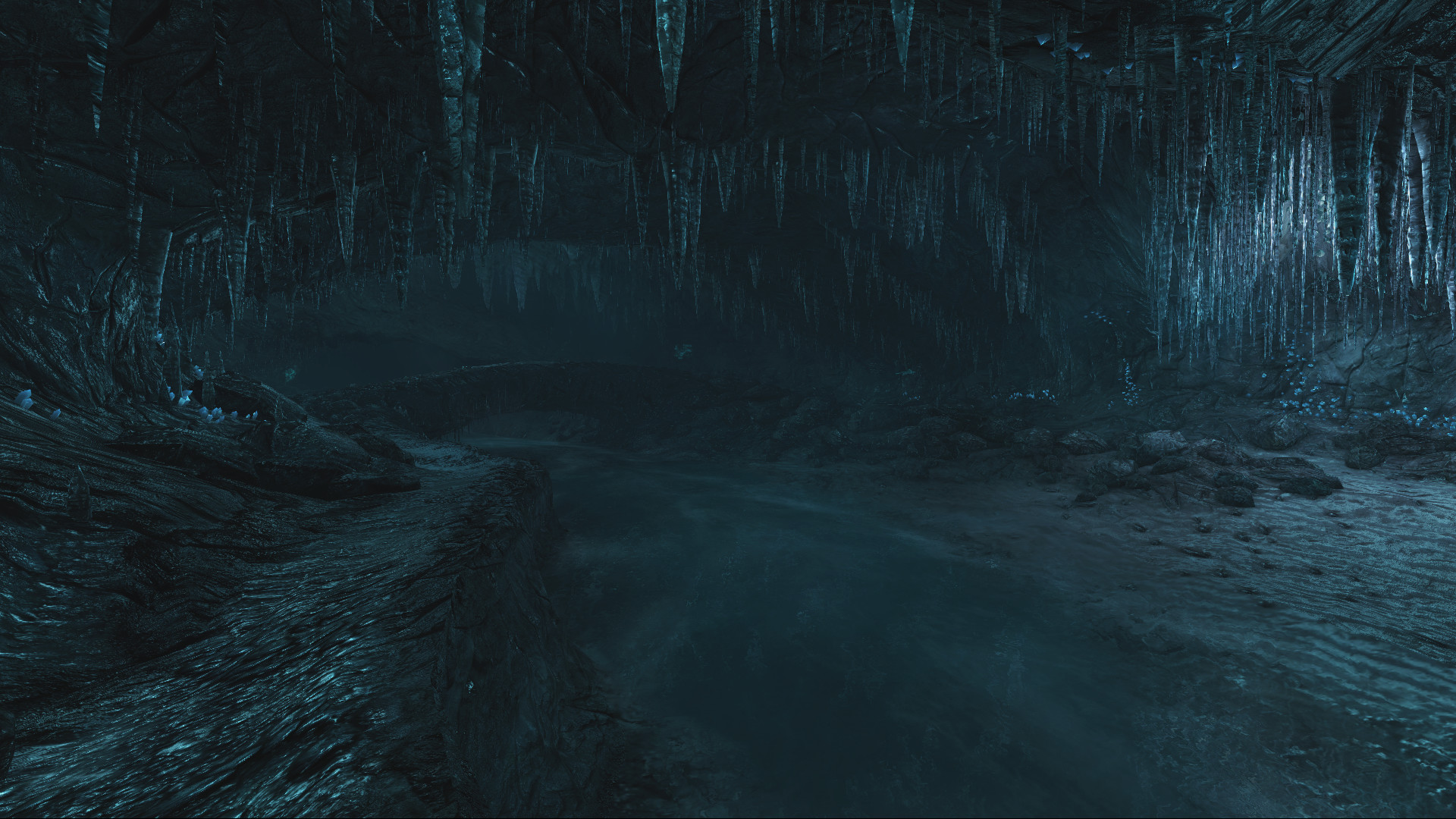
The island’s route is organised as a progression through varied natural and built environments. Open coastal ground gives way to cliffs, caves, tunnels, ruined structures and places associated with industry or habitation. The path remains the player’s main guide, but the surroundings invite attention beyond simply reaching the next point. A view across the water, a mark on a wall or an object within a ruin can reinforce the relationship between physical place and narrated fragment. The island feels remote because of its exposed geography and sparse population; it also feels storied because human traces appear amid rock, vegetation and sea. Movement on foot makes distance and direction tangible, connecting one section of the journey to the next. The environment is not a puzzle box built around locked doors or complicated mechanisms. Its role is to provide a sequence of spaces through which the player can absorb text, sound and visual clues at a measured pace, with each location contributing another mood or association.
The basic interaction is walking and looking. There is no combat, inventory management or conventional challenge loop built around enemies and equipment. The player follows the route, explores its surroundings and encounters spoken passages as the journey continues. Dear Esther’s original design uses semi-randomised placement and variation in audio, visual details and events, so a repeat traversal may not present every element in precisely the same combination. This means the narrative is delivered through fragments rather than as a fixed, fully scripted explanation at every step. The player hears a voice associated with the letter, but the relationship between its words, the landscape and the events described remains open to interpretation. The result is a form of interactive fiction in which agency mostly concerns movement, attention and the order in which details become familiar. The absence of conventional obstacles directs attention toward listening and making connections among the island, the voice and recurring images.
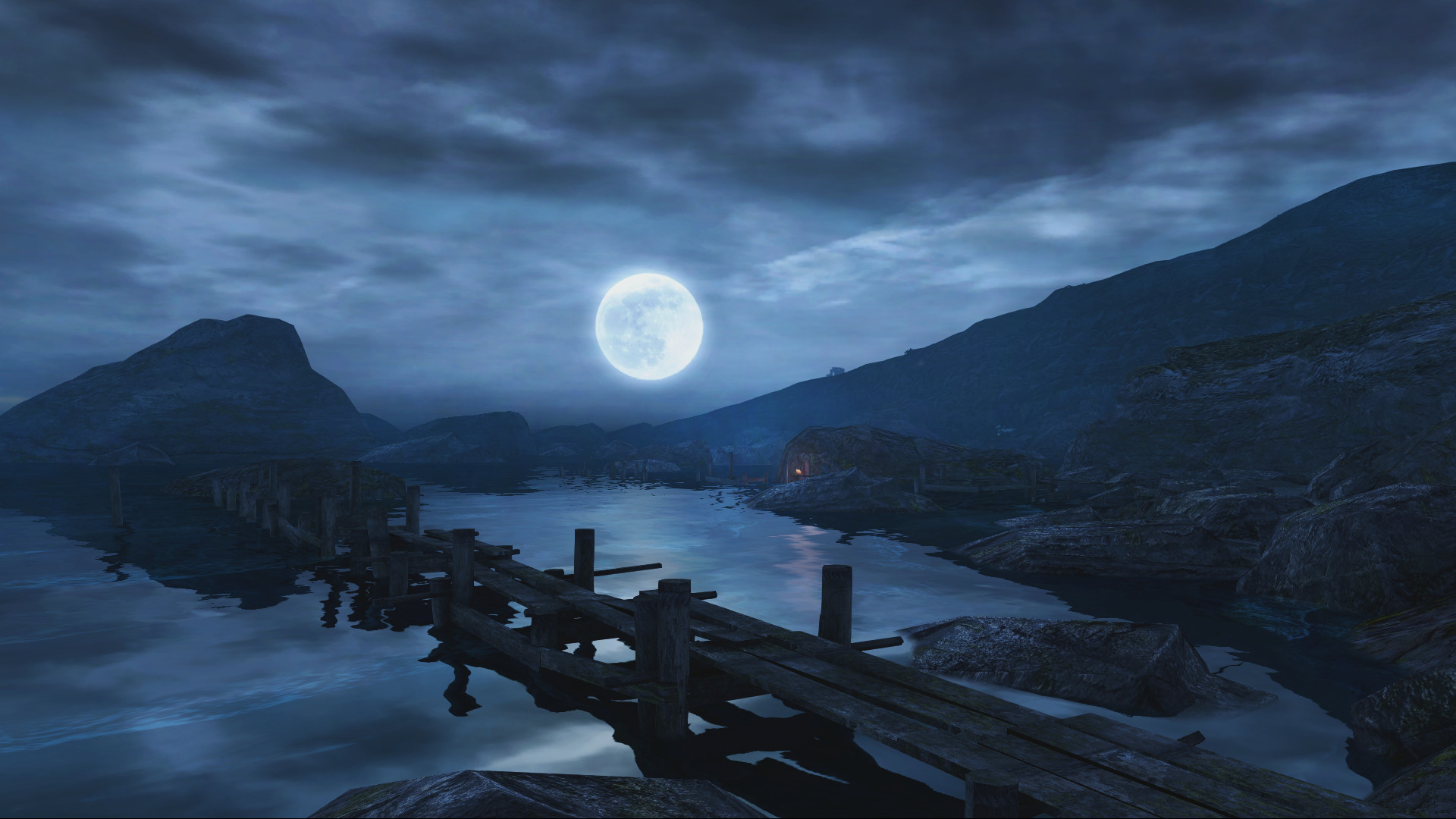
The story draws on several suggestive images and references: the address to Esther, a man alone on an island, memories of a fatal accident and the writing of an explorer near death. These pieces create possible links between the speaker, the island and its past, without turning the journey into a detective game with a definitive trail of collectible evidence. Landscape and narration are deliberately intertwined: a place can give a line of text emotional or thematic weight, while a line can alter how a later part of the island is perceived. The experience is therefore less about solving discrete riddles than about considering how separate memories and images might fit together. Its treatment of love, loss, guilt and redemption comes through the accumulation of fragments and the atmosphere around them. Avoiding a single explanatory voice lets the player sit with uncertainty as the route progresses, preserving the story’s ambiguity through its conclusion. The text and imagery invite interpretation without requiring one reading to become an explicit answer.
Landmark Edition is the 2017 Steam release, distinct from the original 2012 release of Dear Esther. The edition was remade using the Unity engine and includes a full audio remaster, retaining the island journey and its exploratory story while presenting updated sound. It also adds a Director’s Commentary mode. In that mode, players can explore the island while hearing commentary about the game’s creation and the ideas behind it from The Chinese Room and artist Robert Briscoe. Commentary is an optional additional way to revisit the spaces; it is separate from the main narrative experience. The remastered audio and composed music are important to the edition’s presentation because the game relies on voice, silence, ambience and score rather than combat or frequent visual prompts. The base journey preserves the original’s distinctive structure, while the commentary offers development context for those interested in its creation. These edition features define Landmark Edition and distinguish it from the earlier release.
- Developer
- The Chinese Room and Robert Briscoe
- Genre
- First-person narrative exploration / interactive fiction