
About Deadlink
An elite operative joins the experimental Deadlink project and pilots autonomous combat shells for the Corporate Security Agency. This cyberpunk first-person shooter sends the player on randomized operations against megacorporations, combining fast movement, weapon loadouts, destructible environments and run-to-run upgrades.
Deadlink casts the player as an elite operative recruited into an experimental project that sends a human operator into combat through an autonomous shell. The missions serve the Corporate Security Agency and target powerful corporations and their deals. The operative directs a humanoid combat body through hostile sites while remaining the human presence behind the operation. This arrangement supplies the game with a clear link between its first-person action and its cyberpunk premise: the player fights through corporate spaces as part of an agency project aimed at megacorporate power. Although the operative has institutional backing, the shell arrives in combat outnumbered, and the player must handle immediate threats directly. The main setup is simple and legible: an elite operative, a remote combat body and a series of dangerous corporate operations.
Operations carry the shell through several kinds of corporate spaces, including cramped slums, twisted laboratories, grimy warehouses and sleek office buildings. The variety places combat in locations with different visual identities while keeping the target consistent: move through hostile territory and disrupt the interests protected there. These are not quiet infiltration missions. The game explicitly presents its covert operations as loud, direct assaults, with the player expected to fight through resistance. The levels create changing combat spaces in which the operative must navigate between enemy positions and use the environment while under pressure. The contrast between poorer districts, industrial interiors and polished corporate architecture supports the wider conflict without requiring the player to leave the first-person action for extended exposition.
Movement is essential because enemies arrive in numbers and the player cannot remain still. The shell can dash and jump while fighting, allowing the player to move between threats, evade fire and use the arena’s layout. Each encounter asks the player to scan for danger, decide where to move and keep attacks flowing. A position that offered cover a moment earlier may become unsafe when the group closes in or another angle opens. The game’s fast pace connects traversal and survival: movement is how the operative maintains control of the space, not simply how they travel between fights. Environmental objects and destructible surroundings add further possibilities for shaping an encounter. The central loop is therefore a continuous sequence of movement, target selection, attacks and repositioning as the opposition attempts to overwhelm the shell.
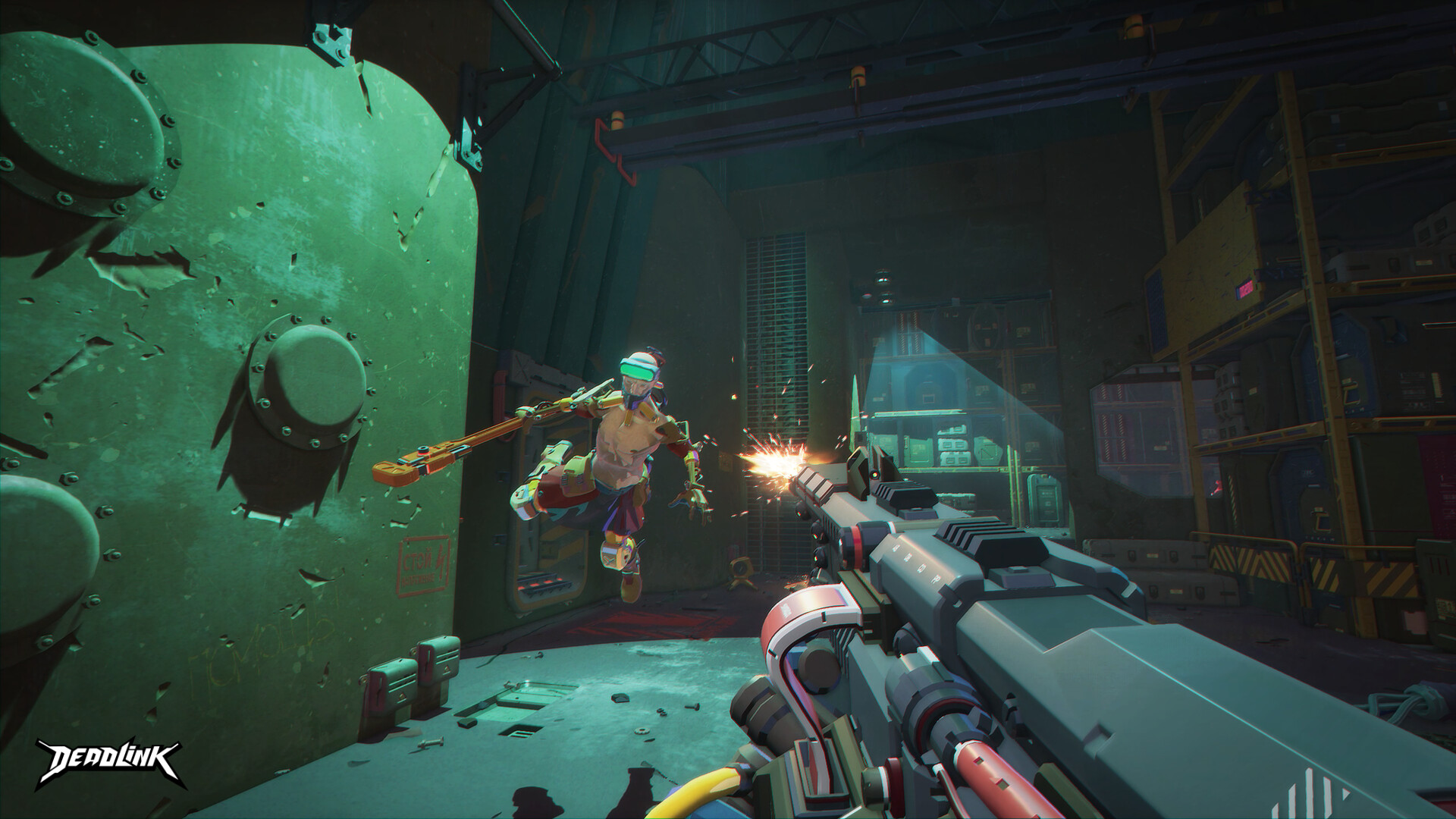
Loadouts allow players to choose weapons and equipment for a preferred approach. The game supports several broad tactics, from taking shots at range to applying status effects or attacking aggressively at close quarters. Those choices affect how the player handles enemy groups and what openings they seek. A longer-range configuration can help with distant targets, while other equipment may focus on weakening opponents or sustaining a forward push. The arena shooter structure gives these tools room to interact with movement: a weapon is most effective when used from a position suited to its range and effect, and reaching that position can require a dash through danger. Trying different combinations is part of learning how a shell handles the run’s threats and how a selected kit supports the player’s chosen pace.
Runs are randomized, so each operation can differ. That variation means the player must respond to the current operation instead of relying on a single fixed sequence. The common pressure is being outnumbered: enemy forces bring enough bodies and ammunition to keep the player moving, while dashing, jumping and using the surroundings help manage each encounter. Losing a shell is possible, but the operative can deploy another, and later shells can carry improved skills and stronger firepower. This gives repeated attempts a concrete structure: an operation may end in defeat, yet another deployment can begin with a more capable combat body. The game connects the uncertain shape of each run to this persistent improvement, so the player faces changing immediate circumstances while continuing to strengthen their overall capacity.
Loadouts offer several distinct tactical directions. A shell can be equipped for precise shots at distance, status effects that weaken opponents, or a direct guns-blazing approach. These options encourage players to think about how their equipment suits the pressure of a particular run. A long-range kit favours choosing targets and firing lanes, while a status-focused setup puts emphasis on affecting enemies before closing in; an aggressive loadout commits to constant forward combat. The game invites players to try combinations rather than prescribing a single best configuration. Loadout selection therefore shapes the feel of a deployment before the shell enters a room, while movement and environmental use remain important once the fighting begins. The available weapons and tech are part of the tactical decision, not decoration around the action.
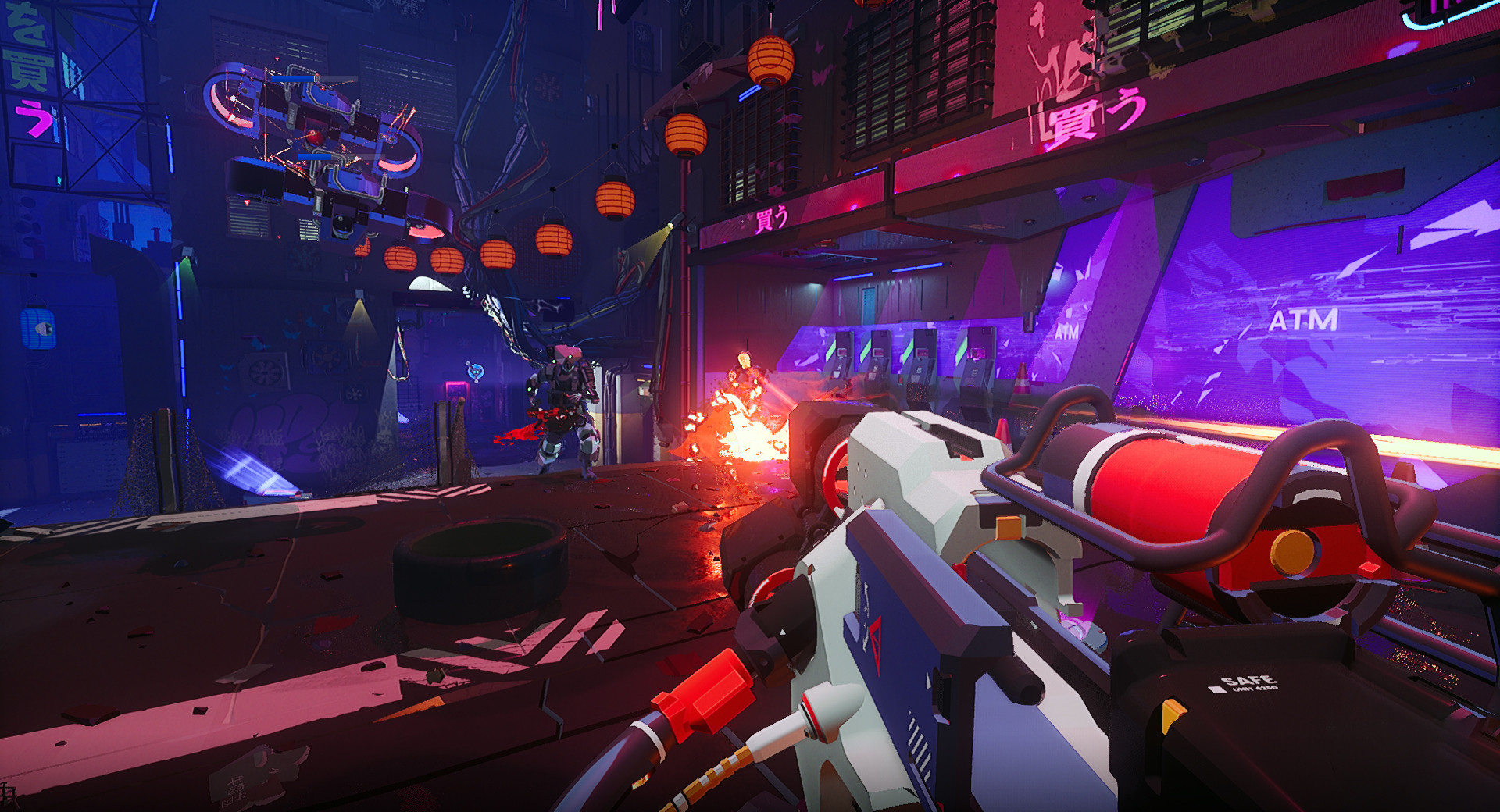
The agency’s support at headquarters gives the operations a specific political frame. The Deadlink project lets the agency carry out military action with plausible deniability, at a fraction of the cost of a court case that may go nowhere. Headquarters backs the operative, while the shell enters the field to challenge corporate security and interfere with deals protected by powerful companies. This explains why the missions are described as covert operations even though their method is conspicuously loud: secrecy applies to the agency’s involvement, not to quiet movement through every room. The player’s task is to push through defended sites and disrupt corporate interests, with the shell taking the immediate risk. The contrast between legal inaction and forceful intervention grounds the cyberpunk combat in the agency’s stated rationale.
- Developer
- Gruby Entertainment
- Genre
- Single-player cyberpunk first-person shooter with roguelite elements