
About Dead Rising 2
Former motocross champion Chuck Greene is trapped in Fortune City during a zombie outbreak. With his infected daughter Katey depending on regular Zombrex doses, he must follow case leads, protect survivors, build improvised combo weapons and confront the accusations surrounding the outbreak before the military arrives.
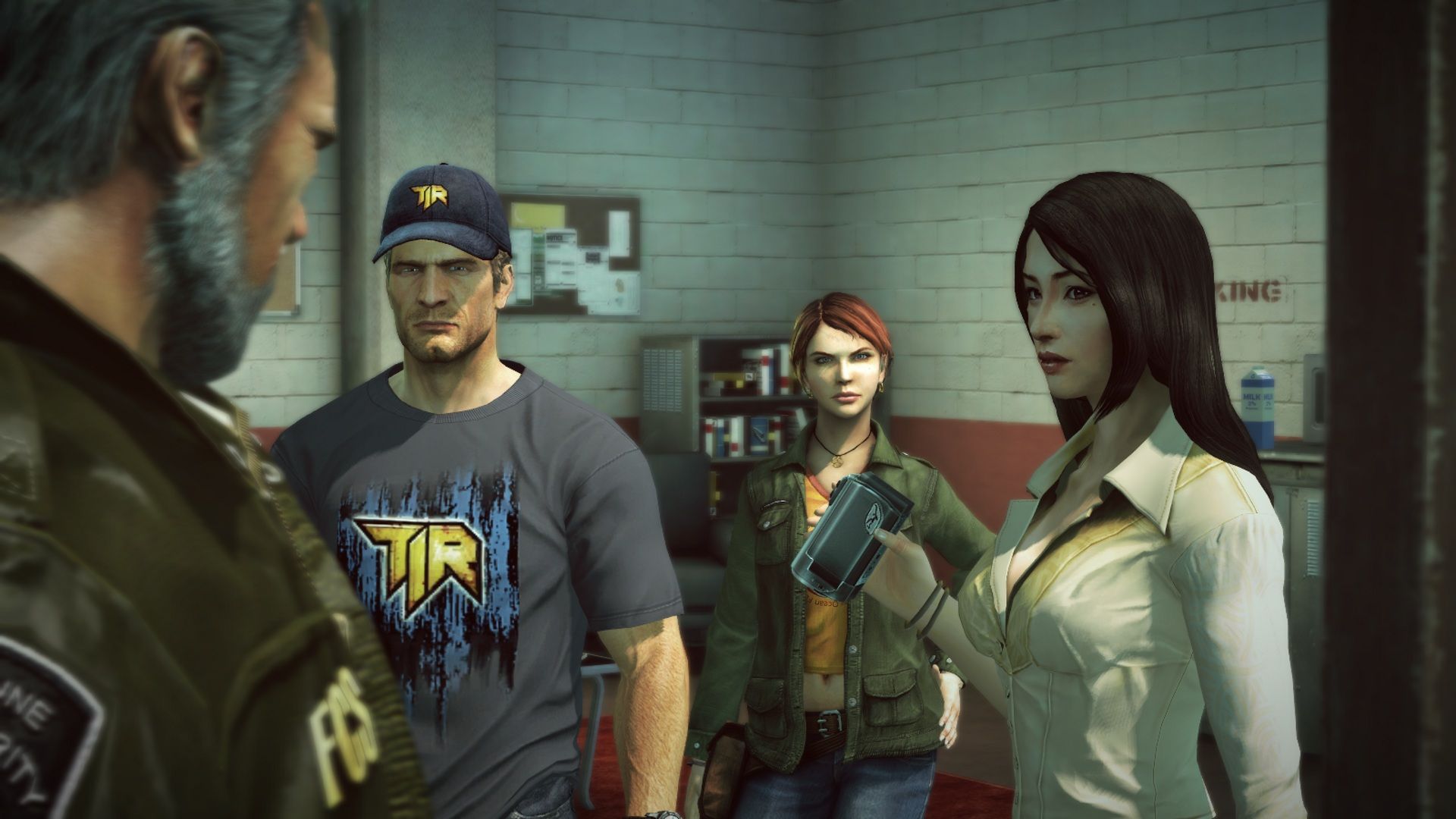
Dead Rising 2 moves the series to Fortune City, a casino and entertainment destination filled with hotels, shopping areas, gambling floors and public attractions. The protagonist is Chuck Greene, a former motocross champion who arrives with his young daughter Katey. After the outbreak, Chuck is blamed for what happened and must both protect Katey and clear his name. The story’s immediate pressure comes from the infection she carries: Zombrex is needed to keep her condition under control, so Chuck’s investigation and movement through the city are tied to caring for her. Stacey Forsythe, a representative of the group Cure, is among the people connected to Chuck’s situation at the shelter. This is Chuck’s game and Fortune City’s outbreak story; it is distinct from Frank West’s investigation in the first Dead Rising. The city’s bright casinos and public spectacle put a commercial entertainment district around a personal survival crisis.
The game organizes its investigation through Case Files and timed events. Chuck leaves the shelter to reach leads, fight through the crowds and return as new information becomes available, while the clock continues to shape which opportunities can still be pursued. Katey’s Zombrex requirement creates a recurring priority alongside the cases: finding the medicine and getting it back to her matters as much as gathering evidence. The Steam description frames the central goals as saving his infected daughter, clearing his name and surviving until the military’s arrival. These overlapping pressures make distance and route choice part of the challenge. A detour to help a survivor or search a casino may uncover useful supplies, but it also consumes time that could be needed for a case or for Katey. Checking the case list and watch before crossing Fortune City helps the player decide what can be reached during the current window.
Fortune City’s crowds are fought with a broad collection of objects scattered through its shops, casinos and public spaces. Ordinary melee tools, sports equipment and other items can be picked up and used against the zombies, giving each area a different set of possible responses. Weapons are carried as inventory items, so the player chooses what to bring and replaces equipment as it wears down or becomes less useful. The layout also makes movement a combat concern: Chuck may need to cross a packed concourse, pass through a casino floor or use an interior connection to get to a case destination. Human adversaries known as Psychopaths add confrontations with distinct opponents amid the outbreak. The premise combines slapstick weapon possibilities with a schedule that does not stop while the player fights. Clearing a route can create room to travel, but taking time to engage every threat risks delaying a more urgent objective elsewhere in the city.
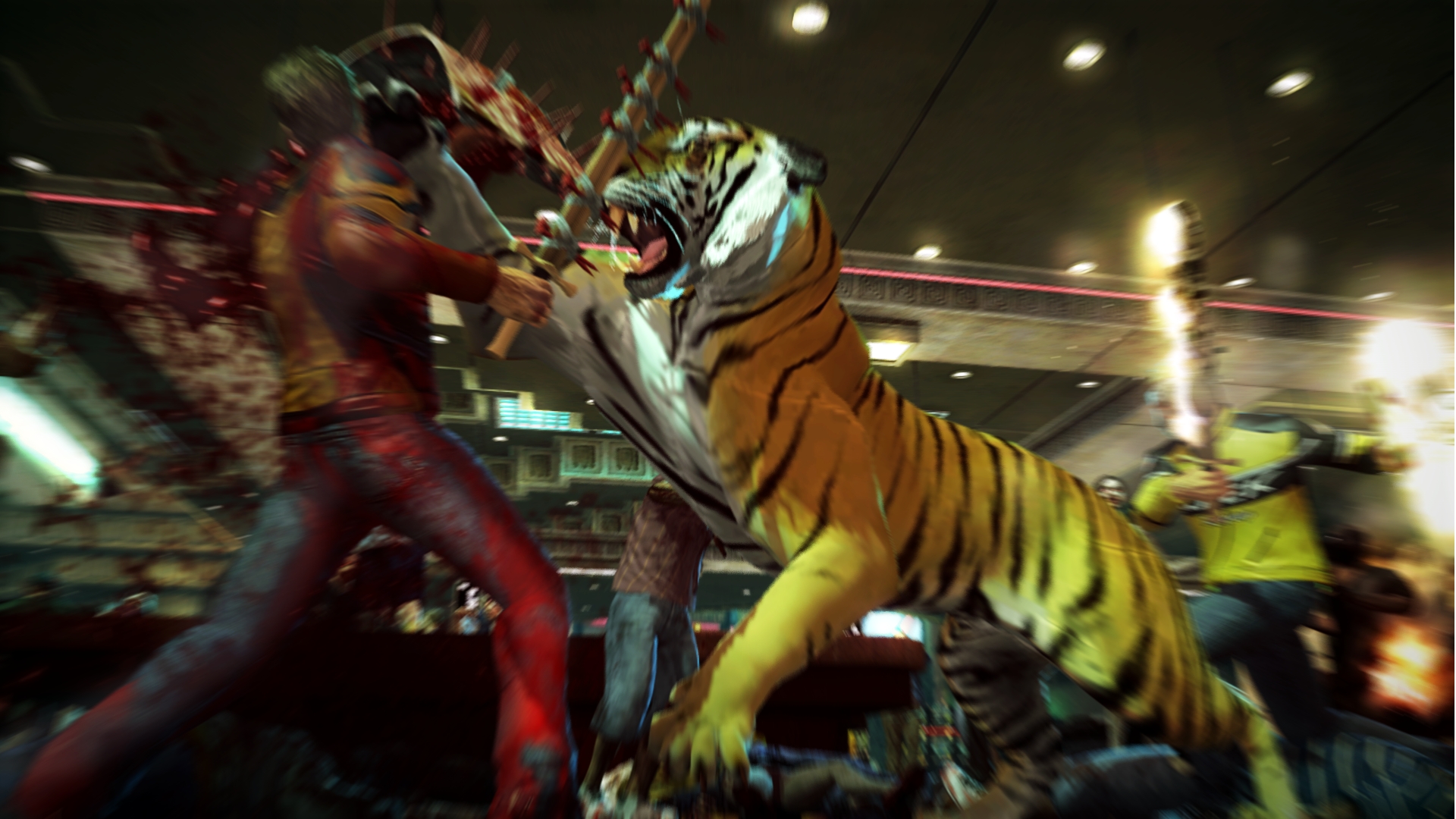
The sequel’s defining equipment system lets Chuck combine selected objects into Combo Weapons at maintenance rooms. A weapon built from two compatible items can be more effective than carrying either component alone, and the maintenance locations turn exploration into a search for both materials and a place to assemble them. The included manual describes Combo Cards and Scratch Cards: creating a new combination adds a Scratch Card to the collection, while Combo Cards record recipes that help Chuck build weapons. The result is a progression loop in which testing combinations, finding parts and learning recipes improves the options available on later trips. A simple example is the Paddle Saw, made from a paddle and a chainsaw; it illustrates how Fortune City’s ordinary supplies can become a purpose-built crowd-control weapon. The system supports experimentation without making every found object part of a recipe: Chuck still handles the immediate choice of what to carry, use or save for a workbench.
Rescue and cooperation broaden the city beyond the main cases. Survivors encountered during events can be brought along and escorted to safety, turning a journey through zombies into a task of keeping another person alive while reaching a destination. Their presence changes the route’s demands, since Chuck must watch the group while defending it and still account for the current case and Katey’s needs. Psychopath encounters and survivor events add human stories to an outbreak otherwise measured in crowds and deadlines. The player can also receive help from another player in cooperative play, a mode Capcom identified as a series first when announcing Dead Rising 2. Capcom’s announcement likewise identified versus multiplayer modes, while the game’s setting includes Terror Is Reality, a zombie-killing entertainment show. These multiplayer elements sit alongside the solo story rather than changing its protagonist: Chuck remains responsible for Katey and for the unfolding Fortune City investigation.
Dead Rising 2 connects its systems through return trips and accumulated knowledge. Searching a casino can reveal a weapon component, food, money or a route to another district; building a combination at a maintenance room can change how Chuck handles a later crowd. Completing cases advances the investigation, while the recurring Zombrex need gives supply gathering a personal purpose. The player moves between shelter, case locations, survivor encounters and areas that may contain useful equipment, deciding which errands fit before the next timed event. The manual’s case-file screen presents the story as linked cases and subcases, while its Combo Cards collection records weapon-making information gathered during play. Fortune City is therefore both a map to cross and a supply network to learn: repeated exploration helps the player recognize where to find items and work areas, but the schedule keeps those discoveries connected to an immediate choice about what to do next.
- Developer
- Blue Castle Games (in close collaboration with Capcom)
- Genre
- Zombie action