
About Dark Fall 2: Lights Out
Dark Fall 2: Lights Out sends an investigator to Fetch Rock Island, where three lighthouse keepers vanished at New Year 1900. Explore the lighthouse, question ghosts and use time portals to follow clues across four eras. The Director's Cut adds scenes, ghosts and puzzles to this supernatural mystery.
Dark Fall 2: Lights Out is a supernatural adventure built around Fetch Rock, an isolated island dominated by a lighthouse. Three men once kept its light, then vanished without trace at New Year 1900. The player arrives years later to investigate what happened, entering a place where the lighthouse, harbour and surrounding rocks carry more than local history. Fog covers the area, the foghorn interrupts the quiet, and the lighthouse light goes out. The disappearance provides a concrete question, but the game expands it into a larger mystery involving ghosts, time distortions and something ancient beneath the island. The location is both a puzzle space and the source of the events the player must explain.
The investigation moves through the lighthouse and the nearby harbour town of Trewarthan. The lighthouse is presented across four different eras, so rooms and clues can be understood in relation to different periods rather than a single moment. The story moves from an ancient Bronze Age past to a futuristic research base, connecting the island's deep history with later attempts to study it. These time shifts give exploration a layered structure: a location can carry traces from more than one era, and what the player finds in one period can make another period's scene more meaningful. The game describes itself as a non-linear story, allowing the investigation to unfold through discoveries rather than one straight narrative explanation.
Time portals are a central investigative device. They allow the player to move between periods and explore the island's past and future, turning chronology into part of the puzzle design. The player is not simply searching rooms for keys; they must compare evidence from different eras and ask how the lighthouse's history changed. A clue associated with one period may illuminate an event seen in another. That structure also connects the supernatural manifestations to physical history: Fetch Rock has an older foundation, the Victorian lighthouse has its own working life, and later research activity suggests attempts to understand unusual phenomena. The portals give the player access to these layers while preserving the question of why the island has called them there.
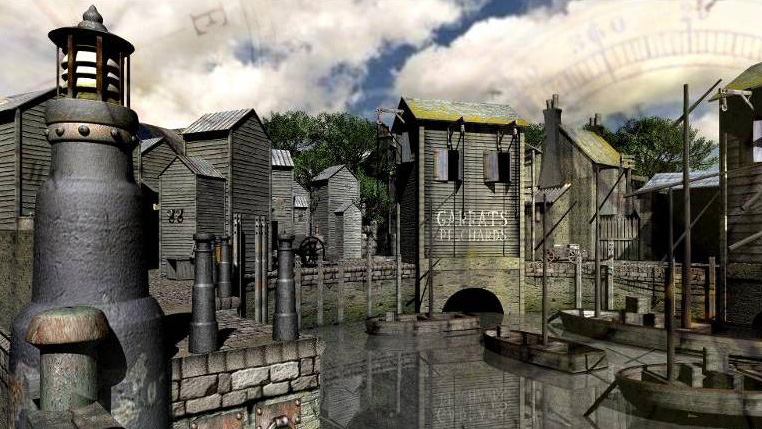
Ghost-hunting equipment and communication with the dead provide another way to investigate. The player uses supernatural techniques and gadgets to reveal an evil presence and collect information that ordinary sight would not supply. Ghosts are more than frightening figures: they can help solve puzzles and mysteries, and the Director's Cut adds new ghosts who watch and follow the player through the lighthouse. The revised version also lets the player speak directly with ghosts, making dialogue one route to understanding the island. Books and papers contribute historical accounts, while sounds and visual manifestations help establish the mood of a building that changes with time. Together, the tools and testimony make the dead participants in an inquiry that crosses several periods.
Puzzles tie those clues to the history of the keepers and the wider Fetch Rock mystery. The player searches for evidence, interprets documents and uses what has been learned about the island to make progress. The narrative draws on the real-world disappearance of three lighthouse keepers at Flannan Isles, but relocates the adventure to the fictional Fetch Rock and builds a supernatural explanation around it. This historical inspiration gives the premise a recognizable shape without turning the game into a documentary account. The lighthouse's four eras, ghostly events and time portals form the fictional investigation. Trewarthan's harbour, the fog and the dangerous surrounding rocks make the mystery feel connected to a broader coastal community as well as to the tower itself.
Lights Out is an indirect sequel to Dark Fall: The Journal, following a separate investigation on Fetch Rock. The Steam edition includes the Director's Cut, with additional ghosts, scenes and puzzles, revised documents and direct conversations with the dead. Its story also takes inspiration from the Flannan Isles lighthouse-keeper disappearance, while the island, supernatural events and time-spanning explanation belong to the adventure's fictional world. The central case can be followed on its own: the player arrives at a lighthouse where three keepers vanished and investigates how its history connects to the strange activity now surrounding it.
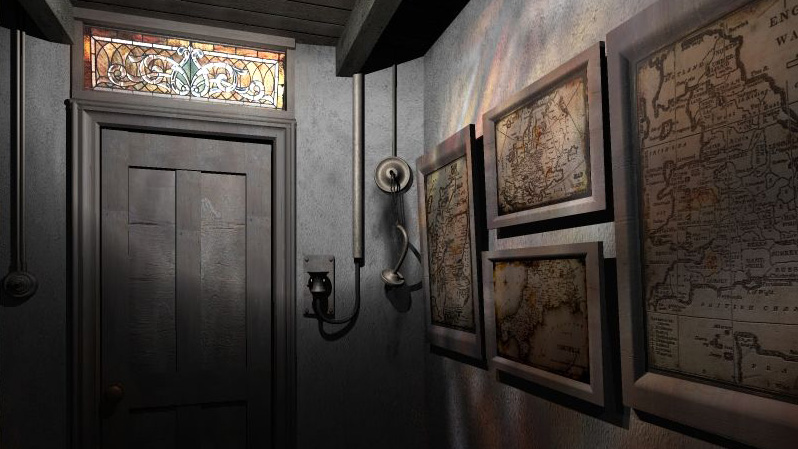
Fetch Rock's people and places give the mystery a human scale. Trewarthan is a harbour town overshadowed by lethal rocks and persistent fog, and the lighthouse is a working landmark whose beam once offered safety to those at sea. The game also presents the place through distinct perspectives: Polly views the lighthouse through night-vision goggles, Parker looks beyond the safety of town toward the island, and Malakai sees it through time. These viewpoints frame the investigation without supplying its answer. Moving between their concerns, the player reads the island as more than a haunted building: its coast, community and layered past all contribute clues to why the keepers disappeared. Their separate visions emphasize that no single vantage explains Fetch Rock; the player must compare what each reveals.
- Developer
- Darkling Room
- Genre
- First-person supernatural horror adventure with time-travel puzzles