
About Cronos: The New Dawn
In a ruined future, a Traveler searches for time rifts that lead to 1980s Poland, where key people can be extracted from the past. Cronos: The New Dawn combines third-person survival horror with a two-era setting and a dangerous rule: creatures can merge into stronger abominations if they are left unchecked.
Cronos: The New Dawn places the player in the role of a Traveler moving through two versions of the same broad world. In the future, the landscape has become a wasteland filled with nightmarish creatures. Time rifts offer a route back to 1980s Poland, where the Traveler is tasked with finding and extracting key people. The story’s central movement therefore crosses both geography and time: a dangerous future expedition leads into a past already under the shadow of a disaster. The game frames this work as more than a search for a way home. The Traveler is part of a mission shaped by the consequences of The Change, a cataclysmic event that permanently altered humanity and left the future in ruins.
The past is not presented as a safe contrast to the future. The 1980s setting is a world in the throes of The Change, with the catastrophe unfolding around the people and places the Traveler encounters. Its industrial Polish atmosphere draws on brutalist architecture and retro-futurist technology, pairing concrete, utilitarian spaces with equipment tied to time travel. This combination gives the setting a distinct visual identity: the threat comes from a society and infrastructure being transformed, rather than from an untouched historical period. The future wasteland and the earlier era are connected through the same disaster, so travelling between them changes the immediate surroundings while keeping the larger crisis in view.
Cronos uses scarce ammunition and limited crafting opportunities to put pressure on every fight. The Traveler cannot assume that defeating the first creature in a room has made the route safer, because a surviving enemy may use the body. The player has to consider where a confrontation begins, how enemies are spaced and what resources will remain afterward. Handcrafted combat arenas place several threats in play at once, so attention to the whole room matters as much as accurate shots. Exploration through the ruined future and the search for time rifts continue under that pressure. Combat is part of the expedition's practical problem: the Traveler has to survive each encounter without exhausting the means to handle the next one.
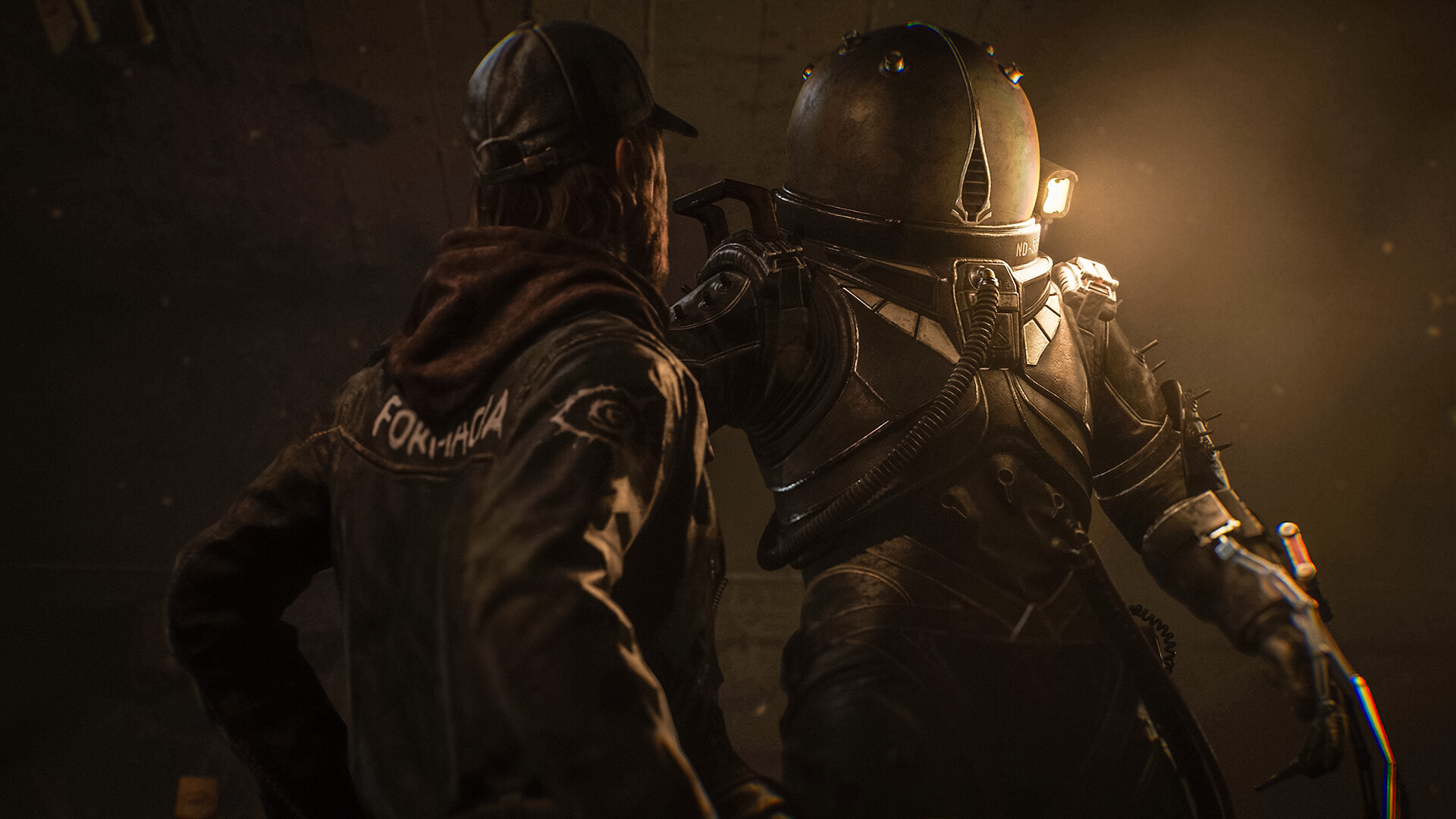
The Merge turns a fallen enemy into a possible resource for another. Creatures called Orphans can absorb nearby corpses and evolve in the middle of a battle, gaining resilience and new attack patterns. A kill can therefore make the remaining opposition more dangerous. The player can separate enemies from bodies, lure them to another part of an arena or interrupt an attempted merge. These are choices about space and timing, not merely damage. They also change the value of a weapon: rapidly hitting several targets may help control a crowd, while a heavy close-range blow can finish a threat before the situation escalates. The rule makes every body in a room part of the tactical landscape.
Time rifts give the expedition its distinctive structure. They connect the ravaged future to 1980s Poland and make extraction of important people possible across the divide. The task asks the Traveler to search the past for specific individuals, which gives exploration a human objective amid the larger disaster. The player’s movement between eras is therefore part of the mission, not just a change in scenery. Each period has a different condition: one is a collapsed aftermath dominated by monsters, while the other is caught in the event that will reshape the world. The contrast encourages the player to consider how the two timelines relate without revealing what ultimately happens to those the Traveler seeks.
Orphans differ in how they close the distance. Some Doppelgangers rush the Traveler with melee attacks, others fight from range, and bruisers can absorb more punishment. These roles pull the player in different directions: a distant attacker may require an approach, while a runner can make standing still dangerous. The Javelin's rapid fire can control a group, and the Hammer delivers heavy close-range damage. Switching weapons according to the enemy and the space available helps prevent a fight from becoming a chain of mergers. Since stronger merged forms gain new patterns, adapting early is less costly than waiting until several threats have combined. The combat asks the player to read enemies as a group rather than as a sequence of isolated targets.
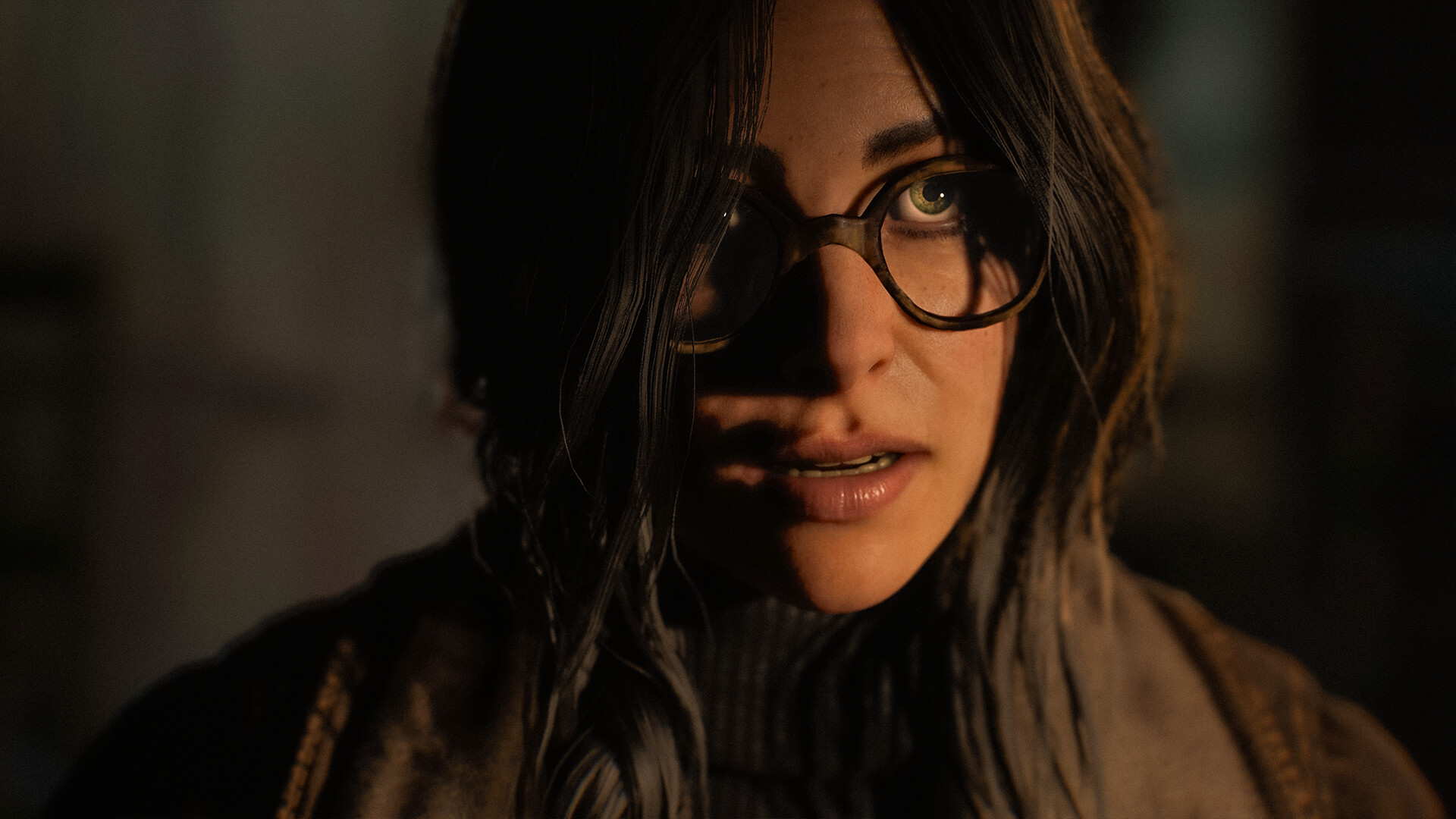
The two eras give the journey a visible before and after, but the Traveler never reaches a world free from The Change. Industrial 1980s Poland shows the catastrophe unfolding, while the future shows a landscape already remade by it. The mission to extract key people connects those settings and supplies a reason to search beyond the next safe stretch of ground. On the way, each Orphan encounter can change as bodies accumulate and enemies assume new forms. The setting's time rifts and the combat's Merge both keep the player alert to consequences: one opens a path into an earlier crisis, and the other can turn a momentary success into a harder fight. Cronos joins these pressures in a survival-horror expedition across a damaged world.
- Developer
- Bloober Team
- Genre
- Third-person science-fiction survival horror