
About COVEN
In an alternate 1600s, a young woman wrongly accused of witchcraft is burned and then resurrected by an unknown force. COVEN follows her pursuit of revenge in a violent retro first-person shooter that blends period weapons, magic, fast movement, and flesh-eating health recovery.
COVEN begins with a young girl in an alternate version of the 1600s, where an accusation of witchcraft leads to her being burned at the stake. An unknown force brings her back, and she sets out on a path of vengeance that will cross time and place. The store description leaves the force behind her resurrection unexplained, giving the opening a supernatural question without spelling out its answer. The first episode follows this protagonist through a setting shaped by fear, old gods, and violence. Her return is the starting point for the game’s blend of early-modern imagery and supernatural action, with the story focused on the consequences of her accusation and the revenge that follows.
The available release is an Early Access game, and the store page describes the available Early Access release as containing all levels of the first episode. That episode moves through villages, temples, forests, and locations from different periods, as the protagonist searches for secrets connected to the old gods. The changing locations reinforce the larger premise that her route can cross time and space, while keeping the present playable story within the first part of a planned episodic structure. The page says further episodes are intended to continue her story; those are future plans and are not part of the current episode’s scope. This makes the released chapter a contained opening rather than a complete account of the larger journey.
Combat combines early-modern period weaponry with magic. COVEN describes itself as a retro first-person shooter and slasher, and its fights are built around speed and close engagement as well as ranged attacks. The weapons and spells give the player different ways to respond to threats, while the fast pace encourages active movement through each encounter. She is a resurrected accused witch moving through a personal vendetta, and the historical imagery gives that supernatural pursuit its setting. That framing links supernatural abilities to the story and lets the action alternate between firearm combat and magic while keeping its historical-fantasy setting.
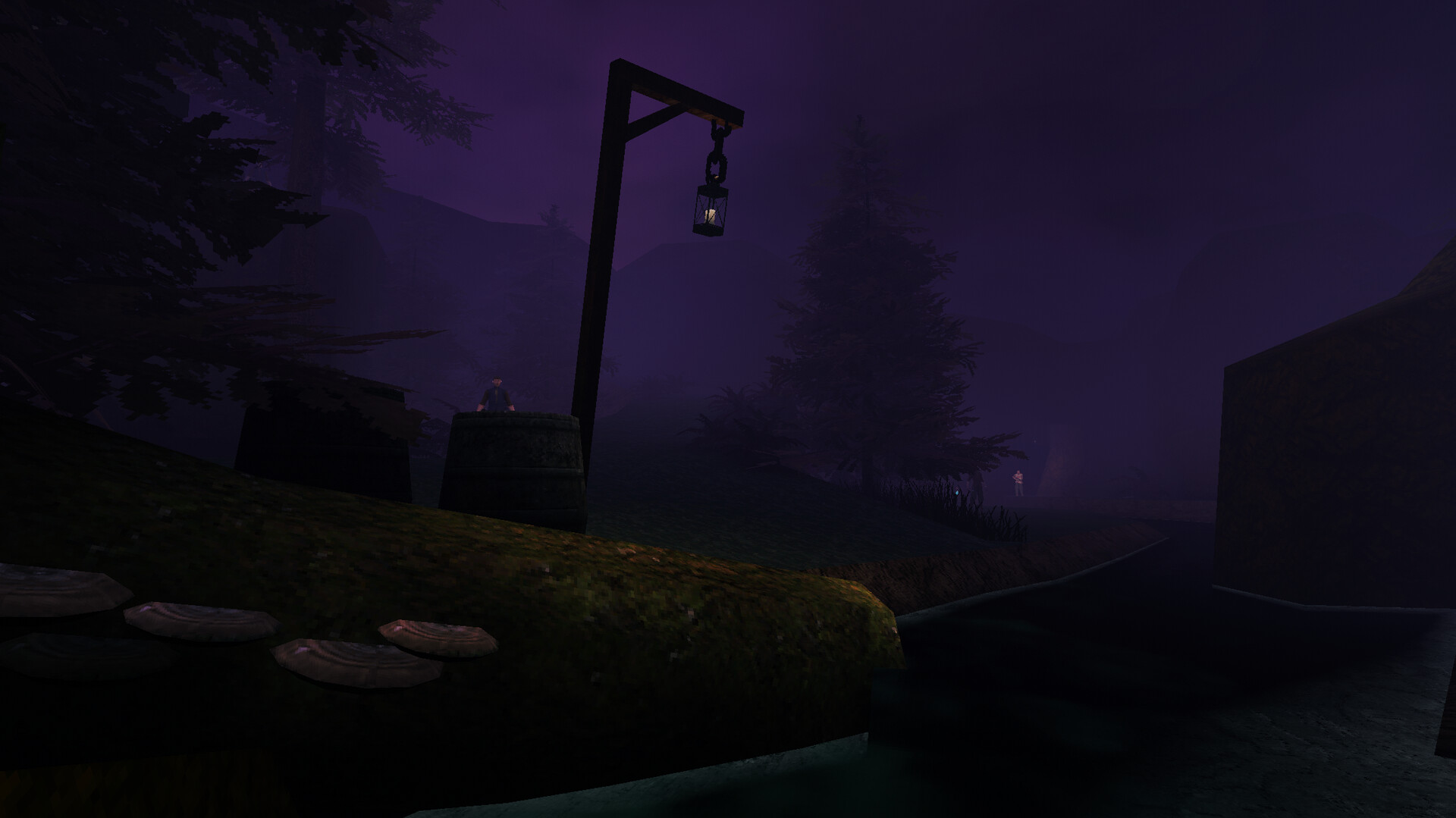
Movement is presented as a survival system. The protagonist can dash, slide, and slow down time, giving the player ways to change position or create an opening when enemies press in. These tools make movement part of an attack sequence rather than merely a way to travel between rooms. A dash or slide can help avoid a threat, while slowing time gives an opportunity to read a fight and act before the pressure closes in. The specific value of each move depends on the situation, but together they encourage the player to keep moving and use the arena. The game’s combination of old-school shooting and these movement abilities gives its retro frame a more active rhythm.
Health recovery is tied directly to the game’s most confronting mechanic: the protagonist can eat the flesh of recently killed enemies to regain health. The act connects survival to the violence of combat and makes the aftermath of a fight relevant to the next one. Rather than presenting recovery as a distant menu action, the game places it within the space where enemies have just fallen. This reinforces the grotesque tone promised by its description and gives the player a reason to consider what happens immediately after an encounter. The mechanic sits alongside weapons and magic as one of the core tools for continuing the revenge journey.
The first episode also asks players to explore. Villages, temples, forests, and other places across time are presented as spaces to search for secrets of the old gods, not just backdrops for combat. Moving through them means following the main route while staying alert to corners and alternate paths that may reveal something about the setting. The store page describes the episode’s levels as the first part of the story, so those discoveries belong to an ongoing mystery rather than a fully resolved mythology. Exploration therefore serves both practical and narrative purposes: the player navigates a changing world and gradually encounters more of the forces surrounding the protagonist.
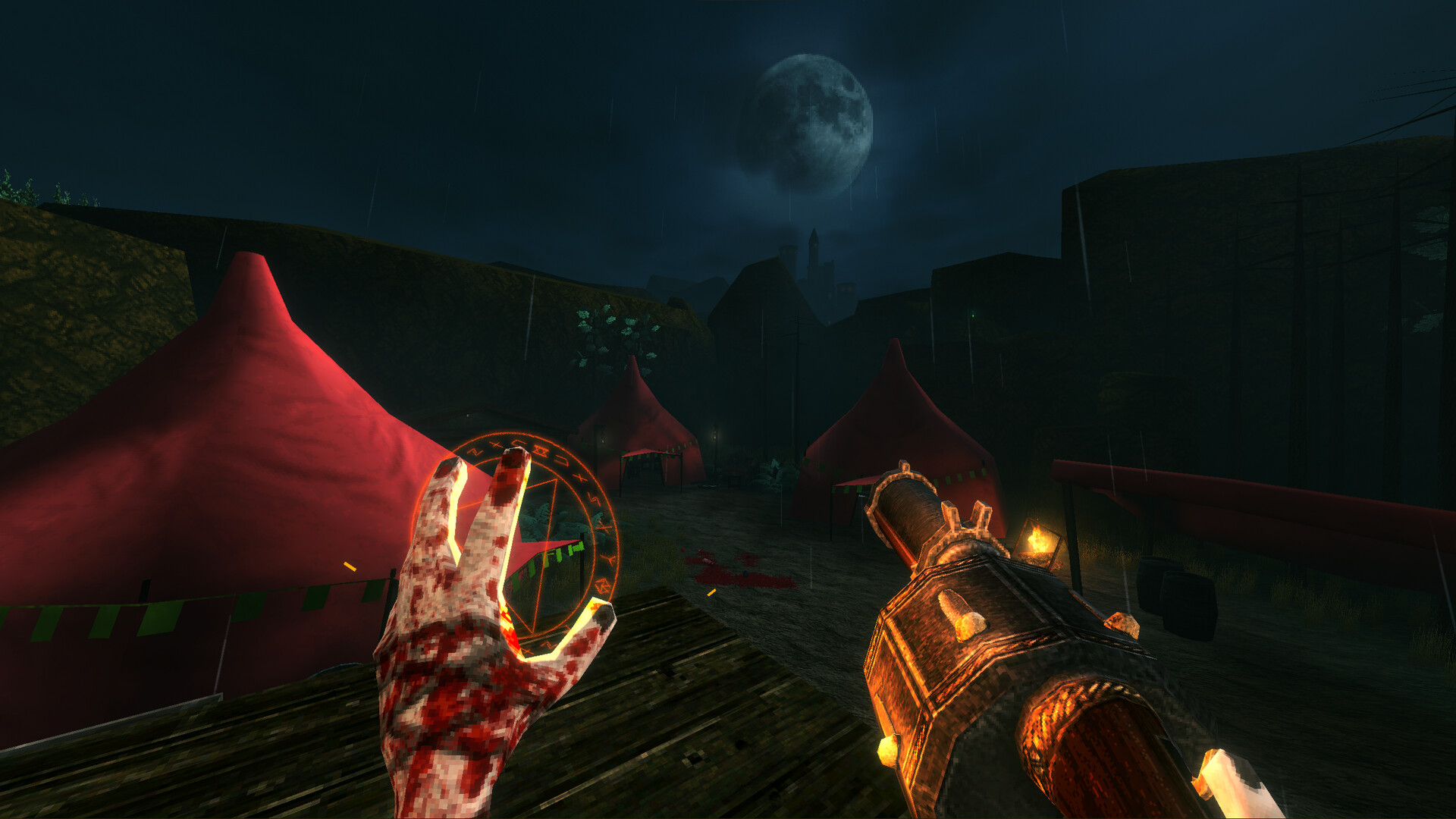
COVEN’s sound and style complete its mix of retro action and occult revenge. The first episode’s soundtrack is credited to John S. Weekley, known as Primeval. Its premise, period weaponry, magic, and explicit supernatural imagery create a world where historical setting and horror coexist. The game’s Early Access format is relevant to its scope: it is playable as the first chapter, while additional episodes and refinements remain associated with future development. The currently playable chapter establishes the first part of her story, while later episodes remain beyond the events covered here. The core experience centers on a resurrected witch, a search for the old gods’ secrets, and combat that asks players to move quickly, use varied attacks, and recover through a deliberately violent act.
The publisher describes COVEN as drawing on classic shooters such as Blood, Hexen, and Timesplitters. That lineage helps explain the mix of close-range violence, firearms, supernatural tools, and quick movement without requiring the story to abandon its alternate historical setting. The game’s own premise supplies the gothic frame, while the first-person shooter structure keeps the player focused on navigating danger and choosing how to answer it. The current chapter lets those elements establish the identity of the larger episodic journey.
- Developer
- Gator Shins
- Genre
- Single-player retro first-person shooter and slasher; Early Access