
About Conarium
Scientist Frank Gilman wakes inside the deserted Antarctic Upuaut base with no clear memory of what happened. A strange device and an expedition that challenged nature’s limits have left him changed. He explores the station, dreams and visions, studying clues and avoiding dangerous beings as he searches for the truth.
Conarium is a first-person Lovecraftian adventure about an Antarctic expedition and the consequences of crossing what its scientists regard as the limits of nature. The story involves four researchers, but the player sees events through Frank Gilman. He awakens in a room filled with pulsing sounds and a device casting patterns of light across the walls. He remembers that he is at Upuaut, an Antarctic station near the South Pole, yet the base is deserted and his memory offers little guidance. The setting immediately makes the familiar work of an expedition feel unstable: the station is a place built for research and survival, but Frank cannot trust his recollection of how he came to be alone there. The mystery begins with that gap between what he remembers and what the evidence around him suggests.
The game is inspired by H. P. Lovecraft’s novella At the Mountains of Madness and is largely set after the events of that story. It follows a new expedition rather than retelling the novella. The scientists are trying to push beyond ordinary human limits, and the device at Upuaut is central to the strange consequences of that effort. Frank’s return to awareness does not restore a straightforward account of events: he learns that he died after using the device and came back subtly altered. Strange memories and unfamiliar places intrude on his understanding of himself. This premise keeps the narrative focused on discovery and uncertainty. The player pieces together what the expedition sought, what happened to the people involved and what Frank’s changed condition might mean, without being given a stable explanation at the outset.
Exploration is the main way to engage with the abandoned base and its story. Frank moves through the Antarctic station, examines the clues left behind and encounters details that help unlock its secrets. The spaces are both practical and unsettling: rooms and equipment point to a functioning scientific outpost, while the absence of the other researchers turns ordinary signs of work into questions. The investigation also reaches beyond the station into dreams and visions. Those passages widen the setting from a confined polar base into places connected to Frank’s altered memories. The game treats these different kinds of space as parts of the same inquiry, asking the player to compare what can be found in the physical environment with what appears in the protagonist’s unstable mental landscape.
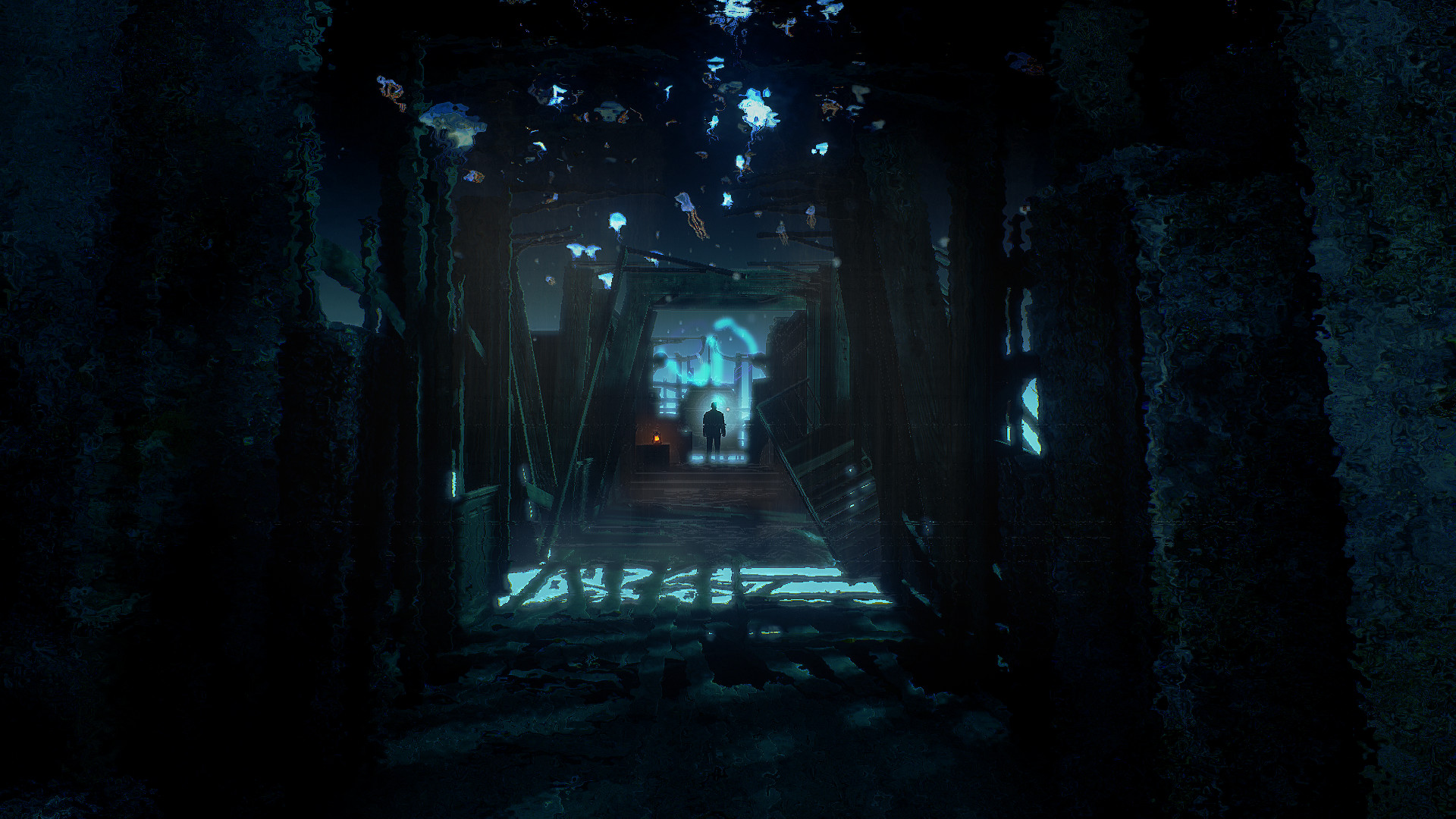
Clues and secrets provide the structure for making progress. The player studies what is present, notices relationships between details and uses the information gathered to understand the larger situation. Puzzle and adventure elements sit within that exploratory approach, rather than centering on combat. Close attention to the environment matters because objects and evidence help reveal what happened at Upuaut. The process is shaped by uncertainty: Frank cannot rely on a complete memory of the expedition, and a clue may raise further questions about what he experienced. Observation becomes the practical tool for advancing through the story. Rather than following a simple sequence of orders from another character, the player explores an empty setting and builds a partial account from its traces.
The Antarctic environment establishes isolation, while the sound and visual design reinforce the sense that the station is no longer a safe refuge. Upuaut is presented through dim interiors, strange noises and the device’s unnatural patterns of light. The surrounding landscape places the expedition far from ordinary help, and the narrative’s movement into dreams and visions makes even the boundaries of the setting uncertain. The game’s atmosphere comes from that combination of a remote scientific location and a mystery that exceeds the expedition’s rational aims. The station is not merely a backdrop for supernatural events; it is where the attempt to test human limits has taken place, and its objects and spaces carry evidence about that decision. The environment supports a slow examination of what has happened rather than an action-driven escape from a visible threat.
Danger comes from macabre beings that Frank must avoid. Their presence changes how a location can be approached: a room that could otherwise be searched becomes a space where attention must be divided between finding evidence and avoiding danger. The game’s single-player structure keeps the experience centered on Frank’s perspective and his effort to make sense of the situation. There is no party of other scientists accompanying him through the deserted base; the other members of the expedition belong to the story he is trying to reconstruct. That solitude supports the psychological side of the horror, as both the environment and his uncertain memories resist easy interpretation.
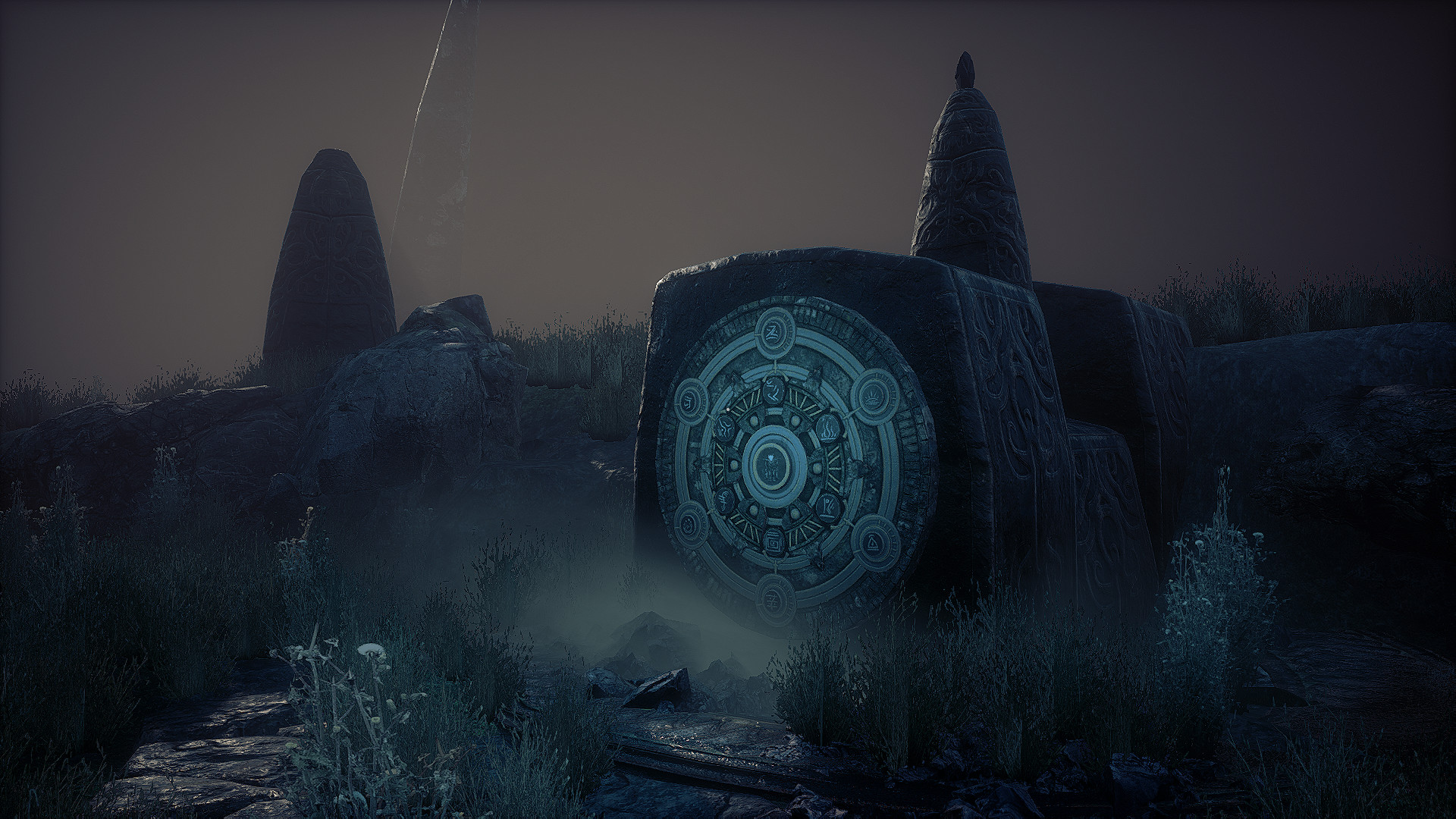
The expedition’s attempt to transcend natural limits gives Conarium its central theme, while Frank’s changed state makes the question personal. His death and return are part of the setup, not an ending to disclose, and his strange memories connect the physical station to experiences beyond it. The story follows the gap between scientific ambition and consequences that the researchers may not have been able to predict. The game offers multiple endings, but the route toward them is built from exploration, clues and the gradual discovery of the expedition’s secrets. By setting the narrative after At the Mountains of Madness while retaining its Antarctic and cosmic-horror associations, Conarium creates a separate story about what an isolated group of scientists tried to reach and what one survivor has become.
- Developer
- Stormling Studios (formerly Zoetrope Interactive)
- Genre
- First-person Lovecraftian psychological horror adventure with exploration and puzzles