
About Cities: Skylines II
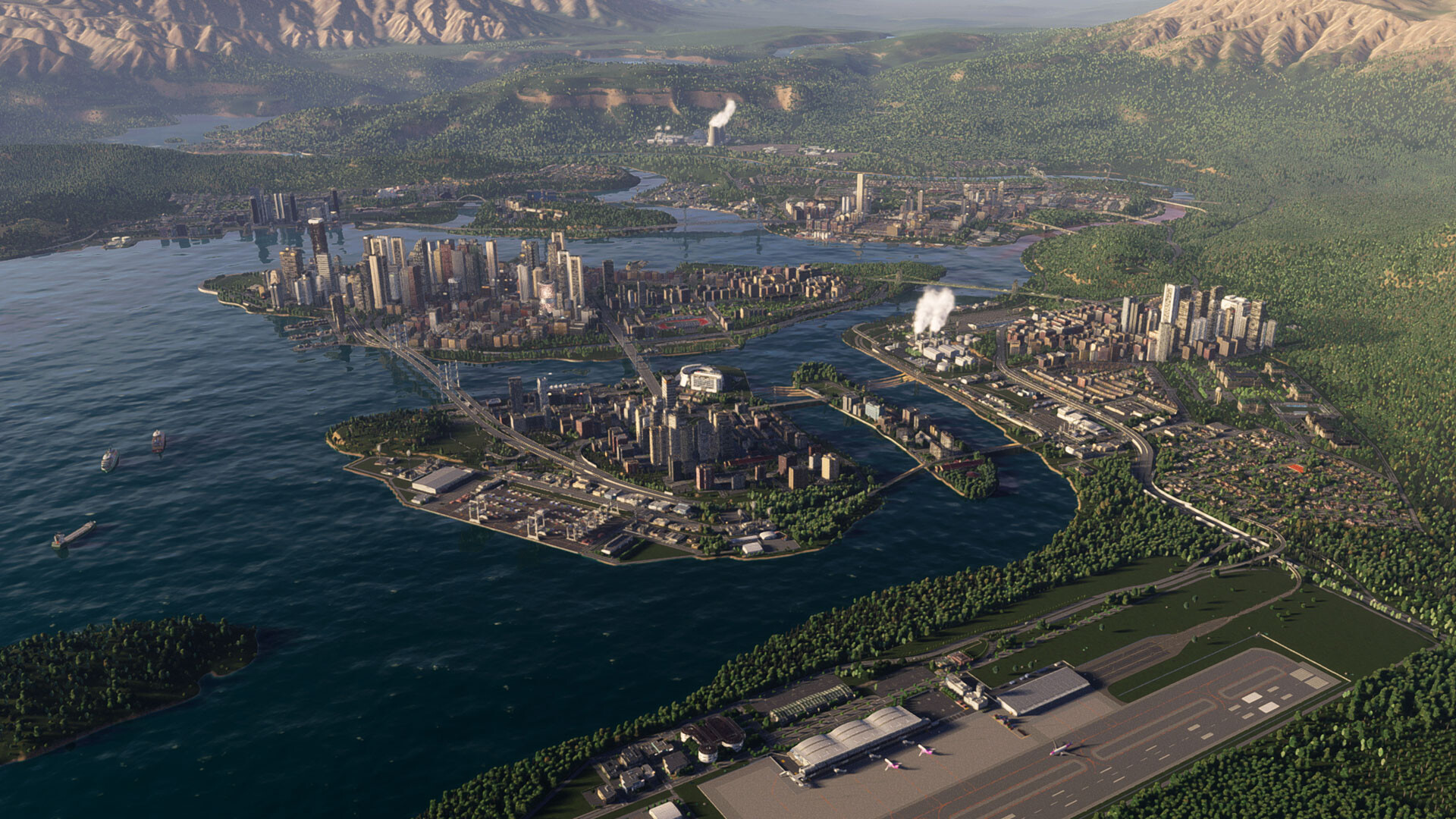
Cities: Skylines II is a city-building and management simulation in which you shape a settlement into a growing urban region. Lay roads, zone land, connect services and transport, and watch residents and businesses respond to the conditions you create. Its interlocking systems make planning, expansion and city upkeep the central activities.
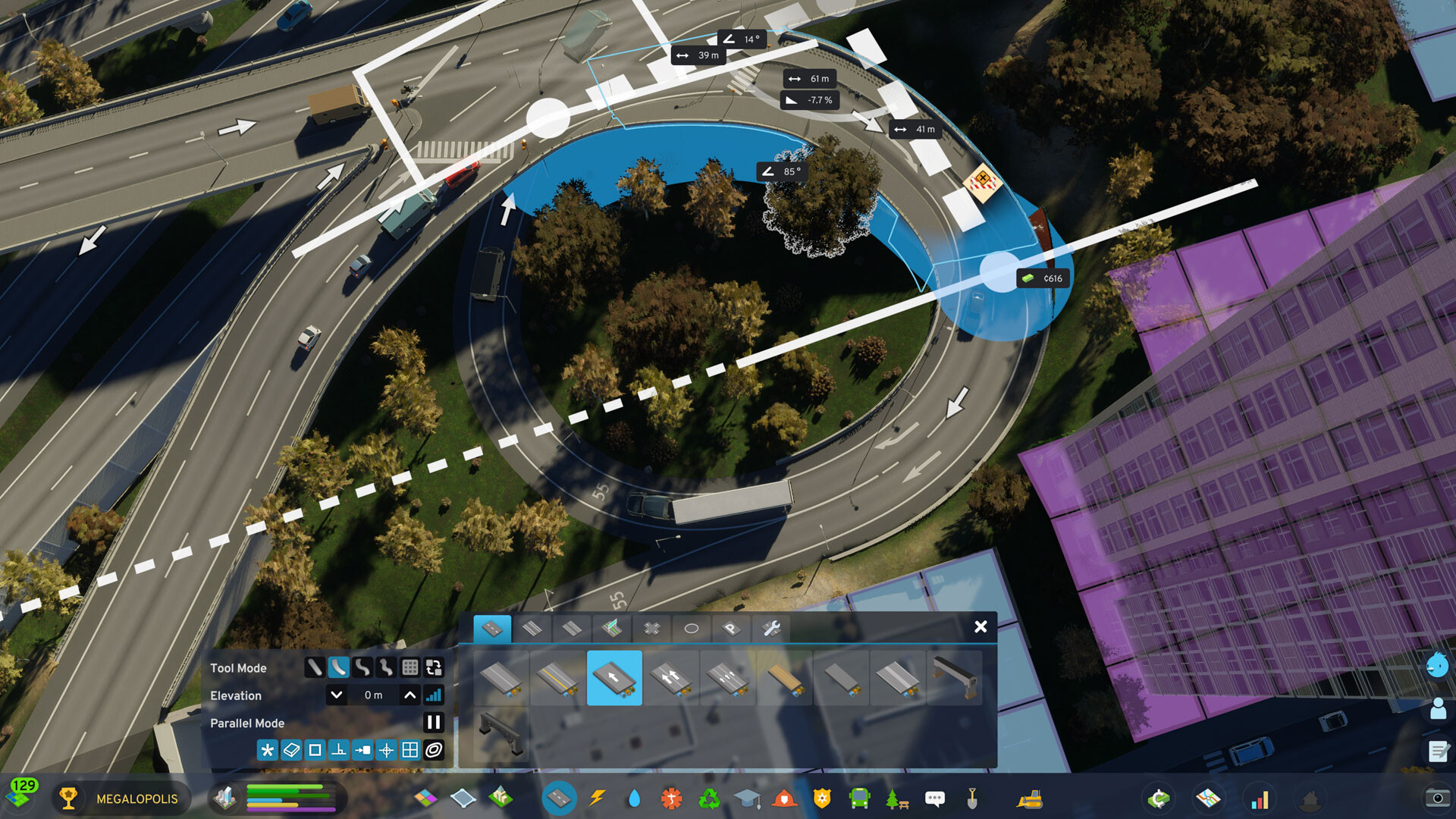
Cities: Skylines II begins with a landscape and the task of establishing a place where people can live and work. The player sets the street network, connects the settlement to outside routes and marks areas for homes, shops, industry and offices. Roads determine how districts join together and give residents, employees, customers, service vehicles and deliveries routes through the city. As new blocks fill, the original layout becomes the framework for later growth: a short local street may serve a small neighbourhood, while busier connections need to carry traffic across several districts. The city is built by placing and shaping these systems, then observing what develops. Residential demand, business activity and public needs appear as related signals, so expansion means choosing where growth can fit and what connections must accompany it.
Land use is organized through zoning and districts. Residential zones provide housing, while commercial, industrial and office areas give households places to shop and people places to work. Businesses assess factors such as access to workers, resources, customers and transport when selecting locations and sustaining operations. A new industrial area can create jobs and supply goods, but it also adds freight movement and may bring pollution that affects nearby homes. Districts let the city be arranged as recognizable neighbourhoods and allow services and planning to be considered by area. Instead of treating each building as an isolated object, the player works with the relationship between blocks: where residents can reach work and leisure, how customers arrive, and whether streets can handle traffic generated by the activities they support.
Residents are simulated as households and individuals with homes, jobs, families and daily routines. Citizens travel to work or school, shop, sleep, study, seek leisure, receive medical care and take other actions that connect them to the city’s buildings and services. These movements contribute to traffic, while shopping and employment feed into the wider economy. The Lifepath information lets the player follow selected citizens as they move into town or are born, grow up, study, find work, form households and age. Their health and well-being are affected by living conditions, including reliable utilities, service access and exposure to pollution. If their circumstances deteriorate, residents may become unwell, unemployed, homeless or leave; good provision gives them reasons to remain. Citizen panels and citywide notices help turn those outcomes into readable management problems.
The municipal network keeps the settlement functioning. Electricity, water, sewage, garbage collection, health care, education, safety and other city services depend on infrastructure, facilities, budgets and routes that let workers and vehicles reach the places they serve. A missing connection can affect far more than one building: an electricity or water shortfall harms residents, while inadequate sewage treatment can create health problems. Services also use public funds and resources, so building every facility everywhere is not a substitute for planning coverage. The player can examine service reach and city information, then extend networks or adjust capacity as neighbourhoods grow. During emergencies, residents can make their way to shelters or be picked up by evacuation buses, linking the response plan to the transport network. Traffic and distance matter because a service that exists on the map still has to operate across the road system and respond to the population it is meant to support.
The economy joins households, companies, city services and trade with outside connections. Residents earn and spend money, firms buy inputs and sell products, and services consume resources while adding upkeep to the municipal budget. Industrial areas can extract local materials; manufacturers use resources to make other goods, and commercial businesses sell products to households. When the city lacks an input, companies can import it, bringing freight traffic and transportation costs. Surplus production can be exported, also with costs attached. The player can inspect production and finances, alter taxes by zone or selected product, and use subsidies to influence where businesses operate. Those choices create linked effects: encouraging an industry may support a production chain, while concentrating trucks on a weak route can impede deliveries and other traffic.
Growth unfolds through city milestones and development choices that expand the services and infrastructure available for a larger population. The player earns progression as the settlement develops, then uses points to open options in development trees, deciding which public capabilities to add. This gives expansion a practical rhythm: provide housing and employment, respond to the demands that follow, and invest in facilities that help the next stage work. Budgets, loans, taxes and service funding give several ways to manage costs and capacity. The map’s climate, seasons and local environment also shape planning, while road and transport design determines how people and goods move through the changing city. The resulting task is ongoing: build a connected urban place, read the problems its residents and businesses generate, and adapt the systems that keep it running.
- Developer
- Steam currently lists Iceflake Studios and Colossal Order; no developer-transition narrative is used in the public copy.
- Genre
- City-building and management simulation.