
About Call of Cthulhu
In 1924, private investigator Edward Pierce travels to Darkwater Island to investigate the deaths of the Hawkins family. Exploration, conversations and character skills help him follow clues through an increasingly strange case. As conspiracies, cultists and cosmic horrors surface, Pierce must weigh the search for truth against threats to his sanity.
Call of Cthulhu is a first-person investigative role-playing adventure set in 1924. Edward Pierce, a private investigator, accepts a case concerning the tragic deaths of painter Sarah Hawkins, her husband Charles and their son. The investigation takes him to Darkwater Island, a remote community whose history and inhabitants hold pieces of the mystery. What begins as an inquiry into a family tragedy expands into a confrontation with cult activity and forces that do not fit ordinary explanations. The game draws on the Cthulhu Mythos and the atmosphere of cosmic horror, while telling its own story around Pierce and the Hawkins case. Its central tension comes from pursuing answers in a place where the evidence itself can make reality seem uncertain.
The case unfolds through exploration, dialogue and character skills that connect the ways Pierce can investigate. Searching locations turns up clues and tools that can clarify events or help with obstacles. Those discoveries can also open subjects to discuss with Darkwater residents. Conversations are a source of local knowledge, but they also reveal how the island’s people understand their past and their own interests. Some interactions can develop relationships; decisions may open one route while closing another. Rather than presenting every lead as a detached collectible, the investigation links what Pierce notices to what he can ask and how he approaches the people who know the place. The resulting path reflects both the evidence he finds and the choices he makes while questioning others.
Pierce’s development affects how he approaches the case. Skills influence investigative options, and the game connects those choices with the ways a scene can be explored and its conversations handled. A player’s character build can therefore shape which approaches are available when following a lead. The design gives exploration, dialogue and skills a shared role: clues gathered in one place can matter in a later discussion, while a particular capability can change how Pierce makes progress. Decisions throughout the story add another layer, since the investigation does not unfold identically for every set of choices. The skills are part of the role-playing structure, giving the detective more than one possible angle on the mystery without turning the case into a conventional action campaign.
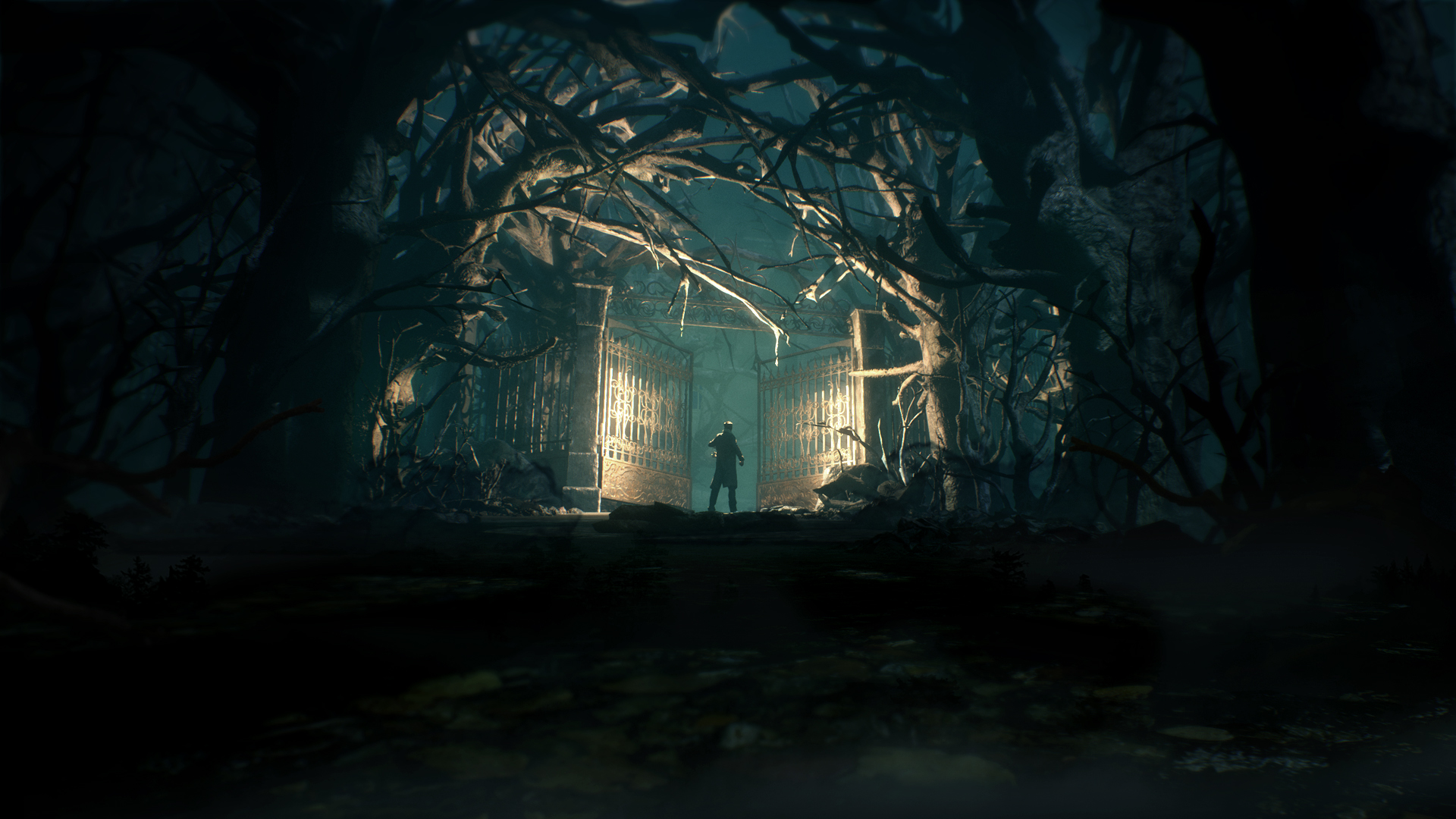
Darkwater’s locations are arranged as readable scenes rather than an unbroken open landscape. Environmental landmarks and visual or auditory signals help direct attention toward details that may matter, while the pace shifts between quieter searching and moments of greater pressure. The island itself contributes to the investigation: its inhabitants, surroundings and past help establish why the Hawkins case has become entangled with older secrets. The game uses these spaces to deliver information as well as atmosphere. Objects, sounds and the layout of a room can guide attention before a character explains what happened. This approach makes navigation and observation part of the detective role, with the player assembling meaning from environmental evidence and testimony instead of relying on a single exposition sequence.
Dialogue gives the people Pierce meets room to disclose information, conceal it or react to his approach. The conversations can introduce new topics as clues are found, and choices shape both the inquiry and Pierce’s developing personality. Some decisions influence the outcome of the adventure, while the available paths can change as relationships and earlier choices accumulate. The story repeatedly places a difficult question in front of the investigator: how much truth is worth seeking when knowledge can come at a cost? This is not simply a matter of selecting a correct line to unlock a fact. The dialogue serves the mystery and its themes, presenting Darkwater’s residents as people with their own histories and motives rather than as interchangeable clue dispensers.
Sanity is closely tied to how Pierce perceives the events around him. As he encounters the uncanny, the boundary between what he senses and what he can trust becomes less stable. His senses can be disrupted as he struggles to distinguish sanity from psychosis, deepening the game’s focus on cosmic horror. Strange creatures, occult activity, unusual science and the prospect of ancient beings all belong to the wider mystery, but the narrative keeps its attention on Pierce’s investigation of the Hawkins deaths and the island’s secrets. He is not an all-powerful hero arriving to impose order. His knowledge and judgment are under pressure, and the player must continue making investigative decisions while the case grows harder to interpret.
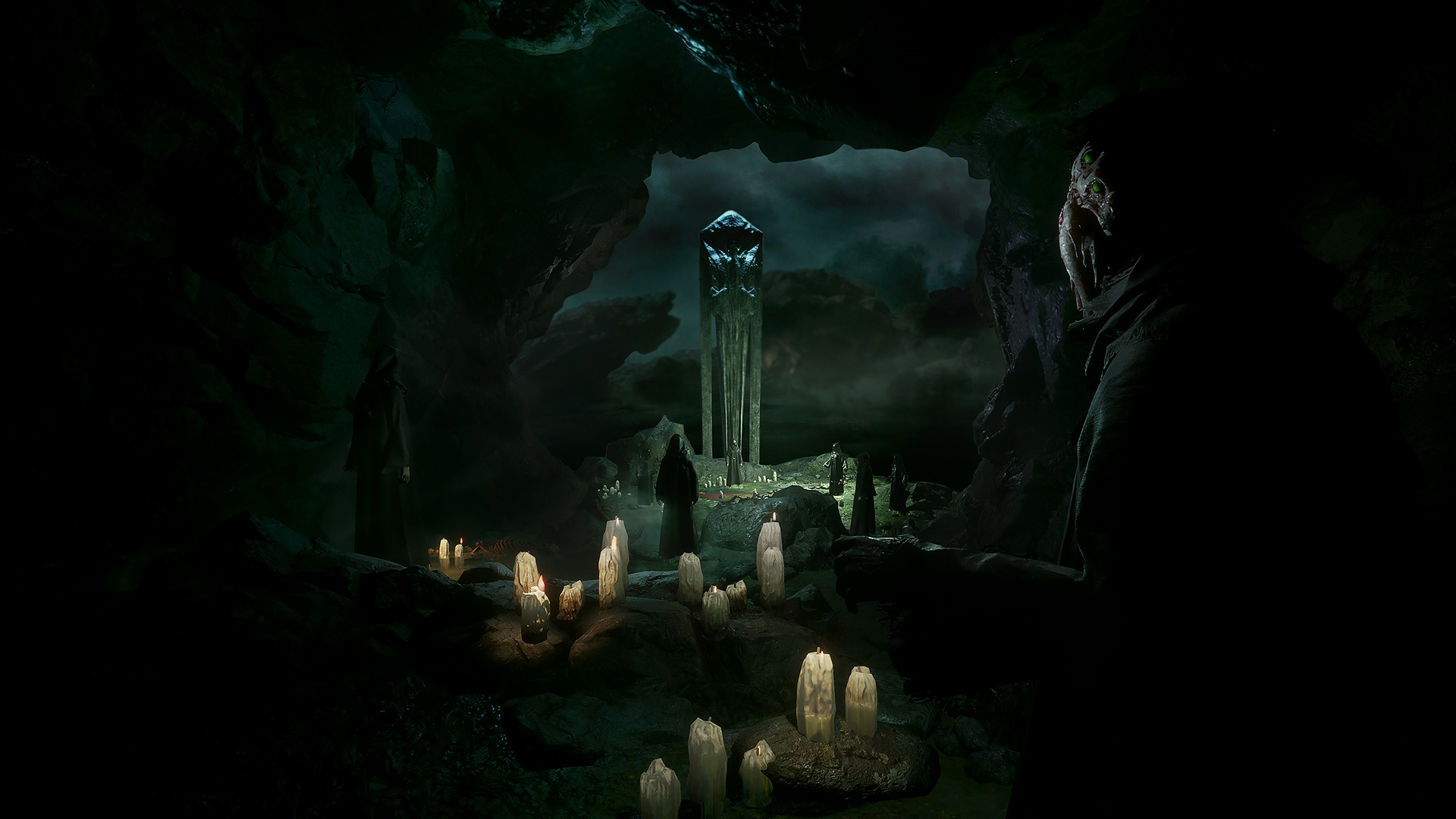
Call of Cthulhu combines clue-led exploration with interactive conversations, character development and psychological horror. Its case begins with a specific family tragedy, then broadens through Darkwater’s inhabitants and the evidence Pierce uncovers. The island’s atmosphere, its layered history and its people make investigation a process of connecting partial accounts rather than following a straightforward trail. Skills and choices affect how that process proceeds, while the sanity theme keeps the cost of discovery present. The game is inspired by Chaosium’s tabletop role-playing game and Lovecraft’s Mythos, yet follows an original story centered on Edward Pierce. Its main experience is the attempt to solve a mystery whose answers challenge both the detective’s assumptions and his sense of reality.
- Developer
- Cyanide Studio
- Genre
- First-person investigative role-playing adventure with psychological and cosmic horror