
About Battlefield V
Battlefield V is a first-person shooter set during the Second World War. Its War Stories follow individual soldiers on several fronts, while multiplayer combines class-based infantry, vehicles and squad objectives. Players can build fortifications, manage health and ammunition, revive squadmates, and carry a changing frontline across the linked days of Grand Operations.
Battlefield V returns the series to the Second World War, presenting battles across Europe and North Africa through both solo missions and large team-based multiplayer. Infantry, tanks and aircraft operate together across maps that range from rural bridges and villages to occupied cities, desert terrain and Norwegian mountains. The game’s environments can be damaged as fighting continues, and the destruction can open routes or remove cover that once shaped an approach. Its fictional combat is organised around recognizable battlefield roles and objectives; the War Stories focus on individuals, while multiplayer places teams inside larger operations whose results carry from one round to another.
The single-player campaign uses the War Stories anthology format. Each story follows a different person in a different part of the conflict rather than asking one protagonist to travel through the entire war. Nordlys is set in occupied Norway and follows a young resistance fighter whose struggle involves both liberation and her family’s survival. Its missions use snowbound terrain, infiltration and movement between objectives, including skiing across the landscape. The Last Tiger, added as another War Story, changes the point of view to a German Tiger I tank crew defending against an Allied advance as German forces are collapsing. These are separate character-led episodes, not chapters in one continuous soldier’s biography.
War Stories use the same flexible combat vocabulary as the wider game: players can move between objectives, engage guards directly or try to avoid alerting them, and use terrain to change how a fight unfolds. In Nordlys, a quiet approach can mean sneaking into enemy installations and taking down guards before an alarm brings reinforcements; if detection occurs, the encounter becomes more difficult. In The Last Tiger, the mission’s central vehicle shapes the action: the crew must keep the tank operational and protect its members while navigating an urban battlefield. These examples show how the anthology varies its setting and play situation, from a resistance mission on foot to a tank-led defensive story, without revealing either story’s later events.
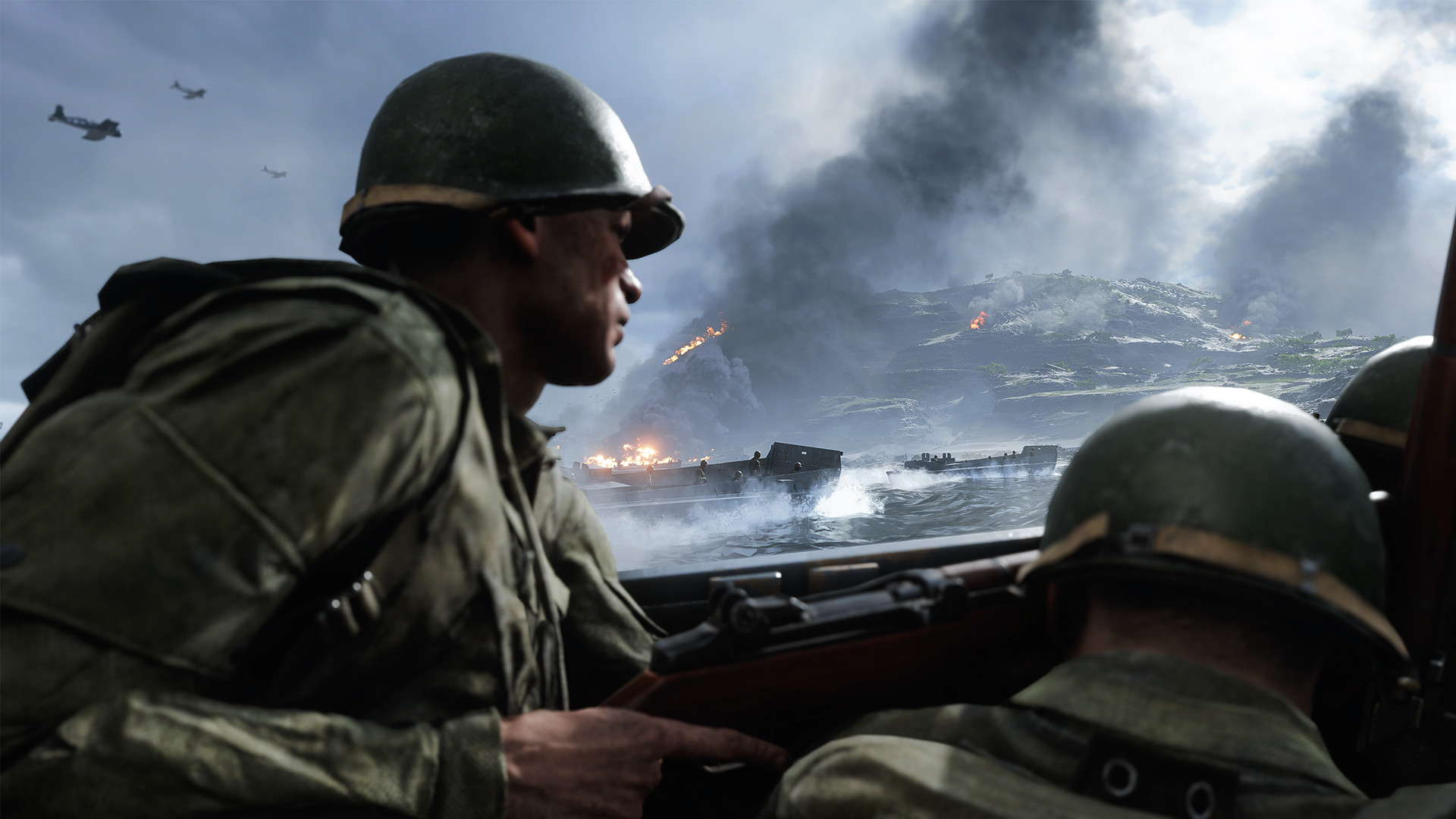
Multiplayer soldiers are organised into four familiar classes—Assault, Medic, Support and Recon—with Combat Roles and equipment that let a player shape a particular job. Assault is equipped for attacking infantry and vehicles, Medics restore health and revive teammates, Support supplies ammunition and works with heavier weapons, and Recon gathers information and engages from farther away. Weapon handling places emphasis on aim, recoil and the chosen weapon’s range, while bullet penetration allows some fire to damage cover or strike targets behind thin barriers. Classes therefore affect more than the weapon in a player’s hands: their gadgets and supplies can influence how a squad approaches an objective and stays effective after a firefight.
Battlefield V’s Attrition system makes health and ammunition part of the decisions between engagements. Soldiers begin with limited supplies, and damage does not simply disappear through full automatic recovery. A medical pouch restores health when used, while a resupply point or a Medic can provide further help; ammunition can come from teammates, supply stations or field pickups. Capturing and holding objectives matters because it positions the team near resupply and creates routes for teammates to rejoin the fight. The system also changes with class and Combat Role, so the group’s composition can affect how easily it sustains an attack. A squad that presses forward without checking its remaining supplies may have to pause, resupply or change tactics before the next push.
The Fortifications system gives every class a Build Tool and lets players reinforce designated spots on a map. Outlines show where construction is possible, and the available structures include sandbags, barbed wire, foxholes, tank obstacles and reinforced positions in damaged buildings. A team defending a control point can add cover, block an entrance or funnel an attack toward a narrower route; players can also build medical or ammunition stations to support their side. Construction takes time and leaves the builder exposed, so choosing when and where to build is part of the objective play. Support soldiers build faster and can create special structures such as machine-gun nests and bridges, while destruction can later reshape the cover those defences rely on.
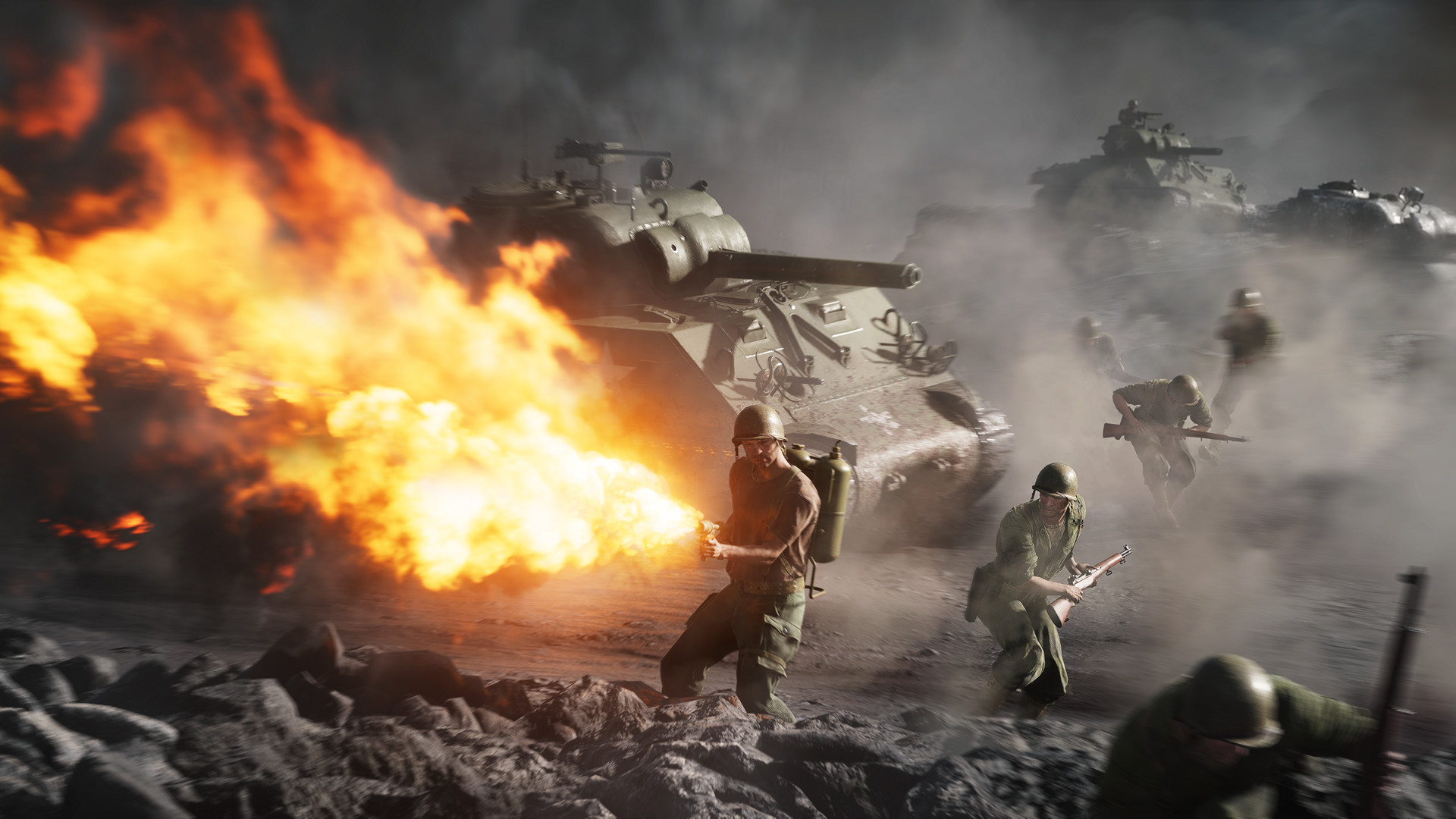
Squads connect these systems through shared movement, revives and rewards. A player can spawn on a squadmate who is alive and not under fire; any class can revive its own downed squadmates, while Medics can revive teammates beyond their own squad more quickly and restore more health. Orders from the Squad Leader direct members toward an objective, and supportive actions such as revives, resupplies and squad spawns earn Requisition Points. The leader spends those points on Reinforcements, which range from supply drops to vehicles or powerful artillery strikes. Grand Operations strings several maps and modes into in-game days, with each day’s result affecting the next. Combined Arms adds missions against computer-controlled enemies for solo players or a squad of up to four, using objectives such as eliminating targets, destroying equipment or stealing supplies.
- Developer
- DICE
- Genre
- First-person shooter