
About Amnesia: The Dark Descent
Amnesia: The Dark Descent is a first-person survival horror game about Daniel, who wakes in a deserted Prussian castle with little memory. He explores its halls, follows clues about his past and searches for a way forward while avoiding creatures. Light, sanity, scarce lamp oil, tinderboxes and physical puzzles shape his progress.
Daniel wakes inside a deserted castle with his memories in disarray and the sense that something is hunting him. The player guides him through the building in first person, learning about his past from what he encounters rather than from a complete explanation at the outset. Notes, environmental traces and disturbing recollections gradually provide context, while the immediate objective remains practical: explore the castle, find a route through it and stay alive. The story’s focus is both external and internal. Daniel is threatened by dangers in the halls, but his own troubled memories and uncertain perceptions also shape how he understands what is happening. The castle is therefore a place to navigate and a record of a history the player must piece together.
The castle’s connected rooms and corridors support a steady loop of searching and problem solving. The player opens doors, examines furniture and shelves, checks drawers and collects useful objects. Some objects can be picked up and moved, while heavier pieces can be pushed or pulled; this physical interaction lets the room itself become part of a puzzle. A blocked passage may require moving debris, finding a key object or discovering an alternate entrance. Journals and notes can explain why an area matters or hint at what to do next, and the journal gives Daniel’s discoveries a place in the unfolding narrative. Progress comes from noticing details, testing the environment and linking clues to a route forward.
Light and sanity form the central survival system. Remaining in darkness for too long harms Daniel’s sanity, and disturbing sights can add to the strain. As his condition worsens, his vision and movement become less dependable, making it harder to investigate or react. Light sources can steady him, but they are not unlimited: tinderboxes ignite candles and other fixtures, while the portable lantern consumes oil. The player must decide when to spend those supplies, whether an illuminated corner is worth the resource, and how long to keep the lantern burning while exploring. A well-lit space can provide breathing room for examination, but lighting a route also changes its visibility. The system makes navigation a balance between mental stability and the risks of being seen.
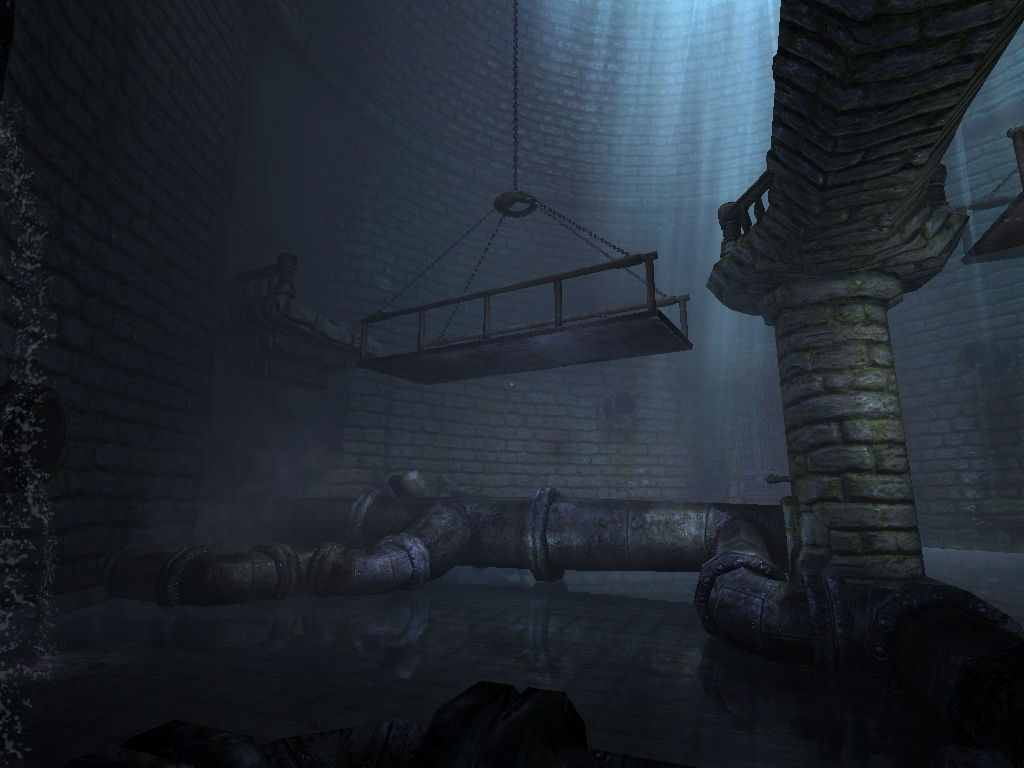
The lantern is useful because it travels with Daniel, but it depends on oil found in the environment. Tinderboxes have a separate purpose: they light fixed sources such as candles, allowing a room or chosen spot to stay lit without continuously using the lamp. Both supplies are limited enough that the player is encouraged to search carefully rather than spend them casually. That search can itself require a decision: stay longer in a dark room to inspect containers and corners, or leave before sanity deteriorates further. Lighting a promising refuge can help recover composure, while preserving oil keeps the lantern available for a later stretch. Resource use thus becomes part of the route plan, not a menu exercise detached from the castle.
When a hostile presence appears, Daniel cannot meet it in combat. The game centers on hiding, running and using one’s wits, and the player must respond to danger by judging the room and the creature’s position. Closing a door, slipping into a dark corner or taking cover can buy time, while a corridor may require a quick escape. The same darkness that undermines sanity can help conceal Daniel, so the player is asked to weigh psychological and physical risk together. Sound and changes in the environment can suggest that danger is close, but encounters leave uncertainty about where a threat will emerge. This pressure interrupts careful exploration and turns familiar spaces into temporary hiding places or escape routes.
Puzzles draw on both the castle’s machinery and its movable objects. A task may involve searching several rooms for components, understanding a written clue, or manipulating the physical layout until a mechanism can operate. Items are not always used through a conventional inventory prompt: doors, boxes, rocks and wooden structures can be handled directly, and the player’s view and mouse movement control how objects are moved. That tactile approach makes space and weight part of the solution. Daniel may need to clear an obstruction, reach a mechanism or combine collected materials for a task. The puzzles advance the route through different castle areas while giving the player a reason to search thoroughly and interpret what the setting reveals.
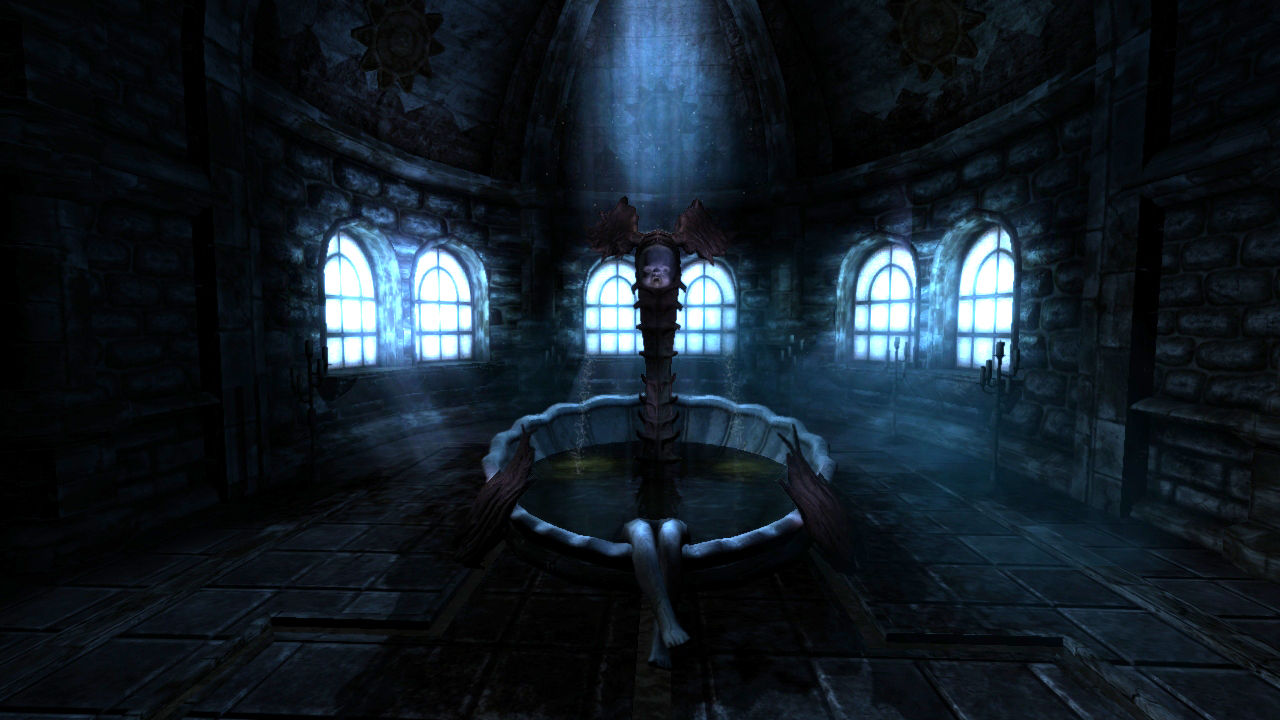
The story is delivered through direct movement, environmental details and Daniel’s recollections rather than frequent detached cinematic breaks. Discoveries in the castle can trigger memories or provide written accounts that change how the player reads a room. This means narrative progress and physical progress often happen together: a clue explains an earlier event, while solving a local obstacle opens the path to another place. The castle’s rooms have practical roles—archives, studies, laboratories and service areas—so moving between them produces variety in both visual detail and puzzle demands. The game keeps its late answers out of a basic introduction, but its central structure is clear from the start: Daniel must follow the evidence, survive a hostile building and make sense of a past he cannot fully remember.
- Developer
- Frictional Games
- Genre
- First-person survival horror