
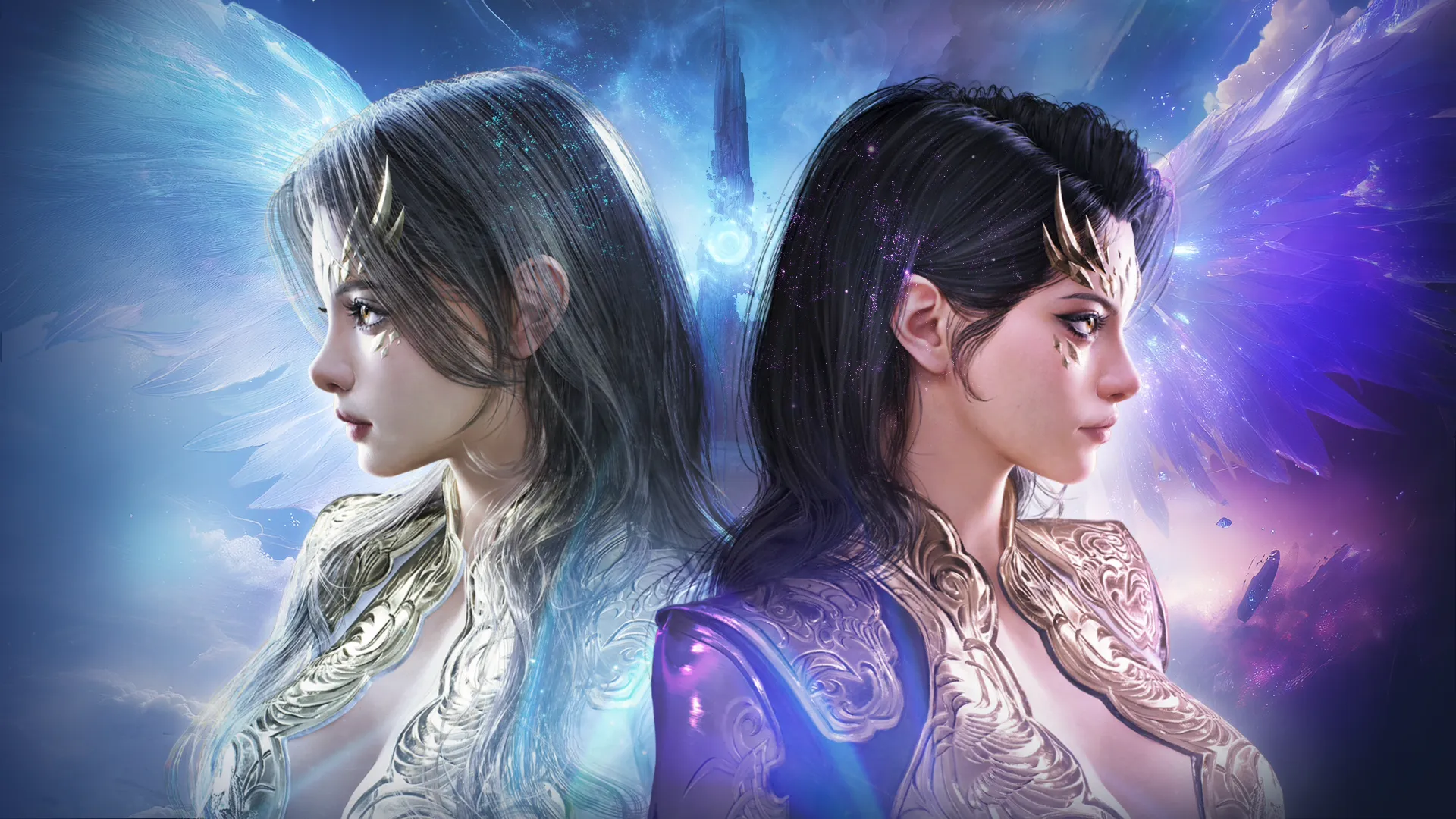
About AION 2
Enter Atreia as a Daeva in an online MMORPG launched globally on October 5, 2026. Choose a class, explore by flight across faction-divided regions, develop equipment and skills, then join up to five players in Expeditions or compete in structured Elyos–Asmodian battlegrounds.
AION 2 is a cross-platform MMORPG set in Atreia, a world fractured after the Aion Tower fell and the long war between Elyos and Asmodians left the land exposed to the Balaur. The official global story begins after the Tower's fall, as Dragon Lords Ishtar and Fafnir threaten to consume the continent and survivors face a new age of conflict. Players create a Daeva and join the struggle through quests, exploration and battles across the divided world. The official global launch is dated October 5, 2026; its PC experience depends on an online service, with no offline campaign. Its premise draws on the original Aion's factions and cosmology while presenting a new crisis and places to explore.
Atreia's landscapes connect the story to the military struggle. In Verteron, Cantas Valley once supplied Odylium and now serves as a gathering point for the Dawn Legion; the Ellun River Marsh holds remnants of a barrier tower destroyed by the Ishtar Legion. Altgard offers a different atmosphere, from the refuge at Safe Haven to the corrupted Dredgion Crash Site, where leaking Drakana has made the terrain hazardous. These locations are more than backdrops: local powers and survivors shape the region's quests, while faction history explains why settlements, legions and Balaur forces contest the same ground. Flight, ground travel and aquatic movement widen the routes available across the world.
Character creation begins with one of eight global launch classes: Gladiator, Templar, Assassin, Ranger, Chanter, Cleric, Sorcerer or Spiritmaster. Each establishes a different combat role, from frontline pressure and protection to ranged attacks, healing or summoned support. Real-time combat emphasizes evasion and positioning, so a player must respond to attacks rather than rely only on ability cooldowns. The game supports PC and mobile controls, and character appearance customization offers extensive ways to shape a Daeva's look. Those choices define how the character enters combat, but equipment, skills and later progression systems provide further ways to tune a build as more challenging encounters become available.
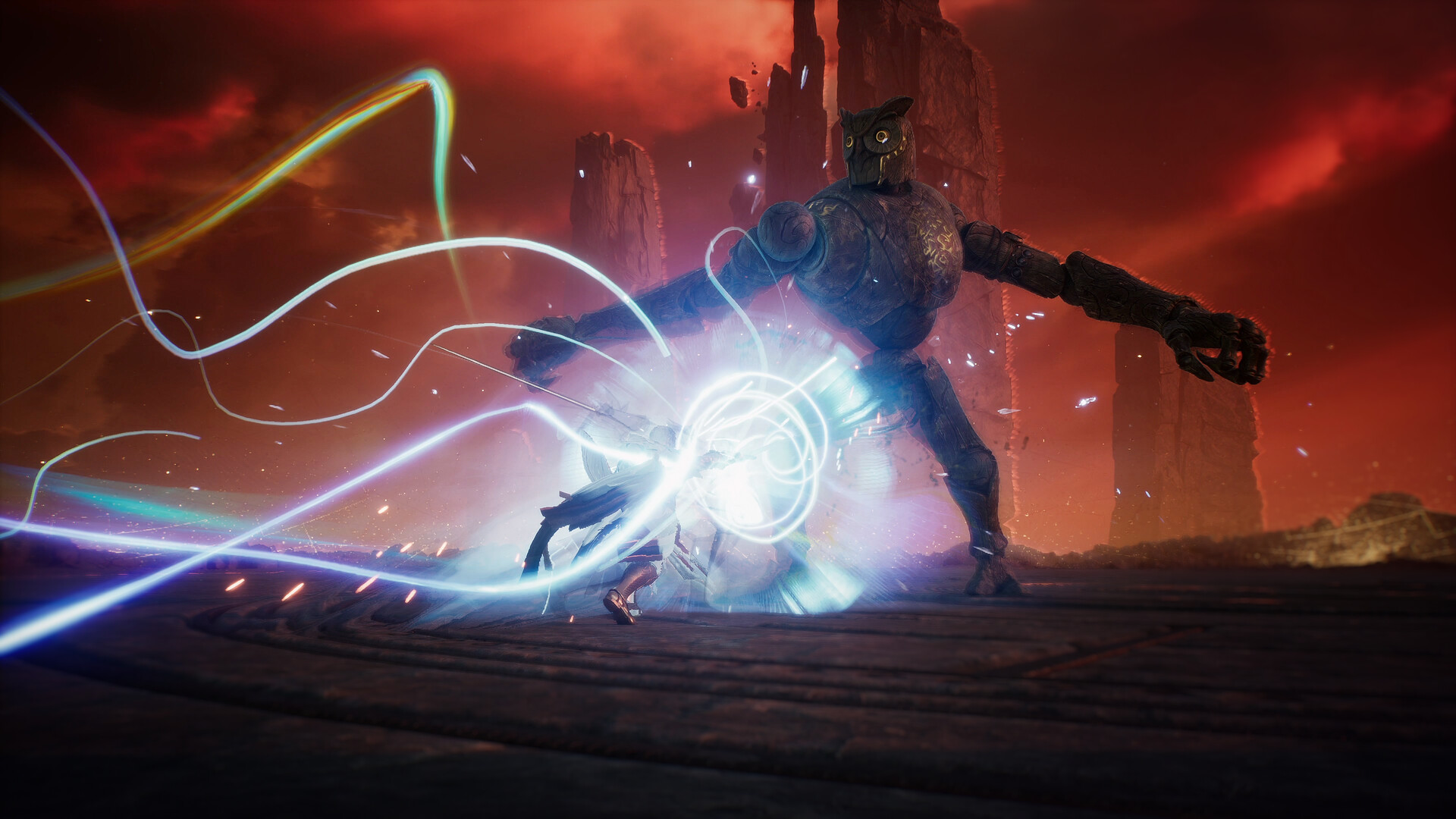
Exploration includes more than following quest markers between settlements. Daevas can fly freely across sky, land and sea, opening vertical routes and making movement a central part of reaching objectives. Windpaths and whirlwinds also connect selected hubs as travel routes. Quests lead through Atreia's past and present, while world areas include ruins, supply hubs and dangerous territory occupied by the Balaur or rival forces. Shugo festivals provide short minigames between longer adventures, giving the world activities beyond combat. The combination of traversal, quests and small diversions lets players move between narrative progress and self-directed exploration without treating every region as a dungeon corridor.
Group PvE centers on Expeditions, where parties of up to five face elite monsters and bosses. The dungeon interface lets a group choose a mode, review entry requirements and form a party; Exploration difficulty introduces the encounter, while completing it unlocks the harder Conquest option. Higher difficulty can alter enemy statistics or skill patterns, making awareness of boss behavior more important. Rewards include special items and a weekly reward structure, with accumulated successful reward claims contributing toward a guaranteed Cube reward. An Expedition such as Draupnir pits a team against Bakarma, whose power has changed through contact with an unknown Abyss. These encounters combine party coordination with a steady equipment-growth path. The launch slate also includes Krao Cave, a former Lepharist laboratory where the sealed test subject Berk is awakened, and Urugugu Canyon, where the guardian bird Auldor returns to the skies. Fire Temple brings a different expedition through lava-lit caverns, traps and Watchers, linking its party combat to the story of Kromede.
The game also has competitive modes that place Elyos and Asmodians into structured conflict. Battleground matching can be entered solo or with a five-player group, and some modes normalize player stats so the result turns on movement and decisions inside the arena. In the Storm-Sleeping Snowfield mode, teams try to take the opposing flag while defending their own; carrying a flag prevents gliding, creating a tradeoff between scoring and mobility. Periodic storm effects and neutral buffs can alter how a team moves across the field. Outside instanced matches, the Abyss and dimensional rifts connect the larger faction conflict to contested territory, while the broader party system can bring opposing races together for PvE Expeditions.
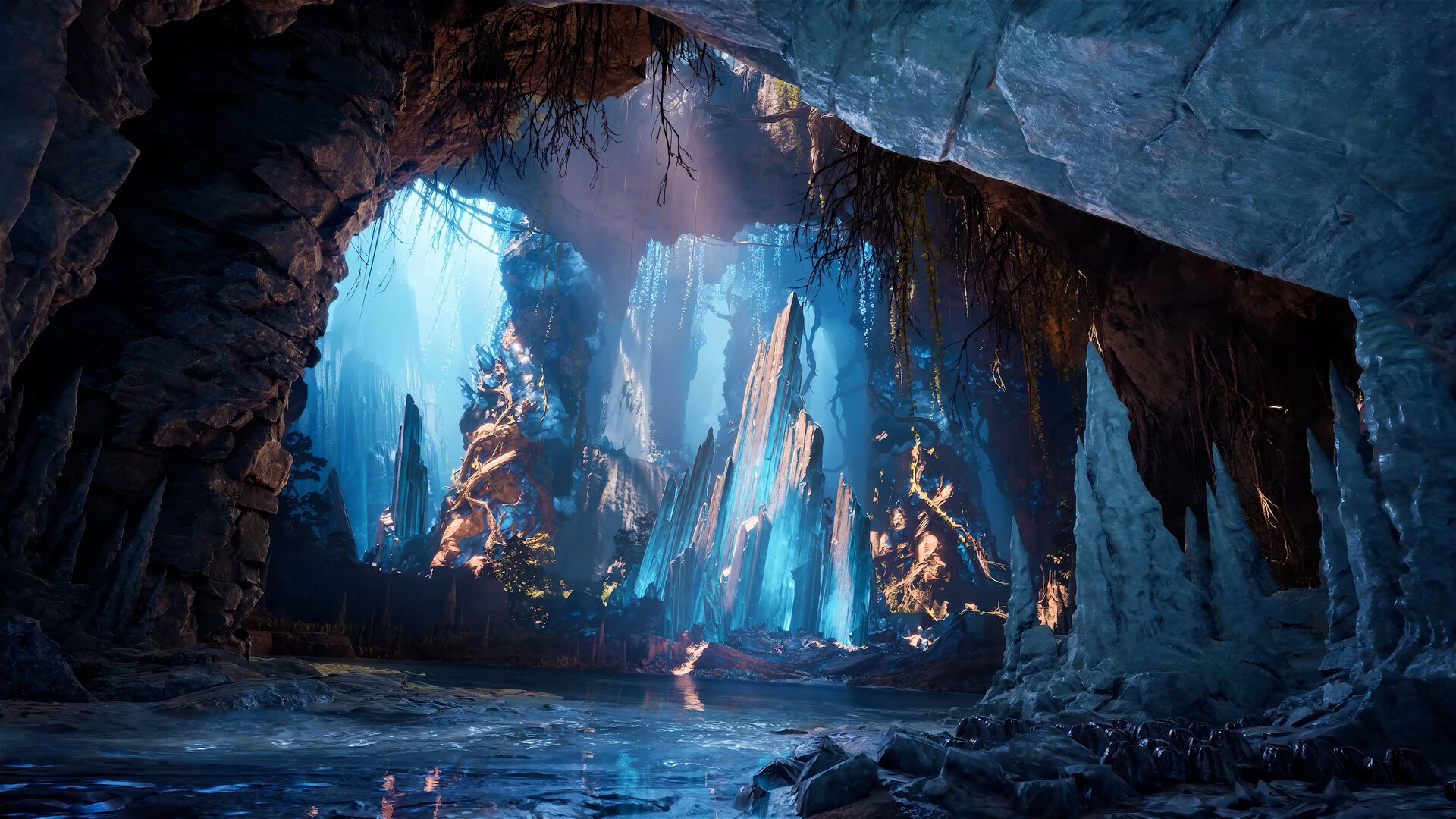
Character growth combines gear improvement, skills, collection and repeated group challenges. Equipment and accessories can be enhanced through a unified upgrade system, while quests and progression systems add further character development. Gathering supplies crafting materials, with extraction skill improving its efficiency as players repeatedly collect resources. A Daeva can also pursue achievements, class-specific skills and pets; some companions follow, assist with automatic looting or transform into rideable mounts. The longer routine alternates between questing, gathering, and selecting a dungeon or battleground suited to the current build. With its global service newly launched, exact balance and seasonal content may change, but the core loop remains an online progression journey through Atreia's faction war.
Fight for altitude as a Daeva, choose a faction, and work through over 200 dungeons where flight is the combat system.
- Developer
- NC
- Genre
- MMORPG
Explore AION 2 further
Explore the wiki for detailed reference pages on the game's world, systems, items and locations.