
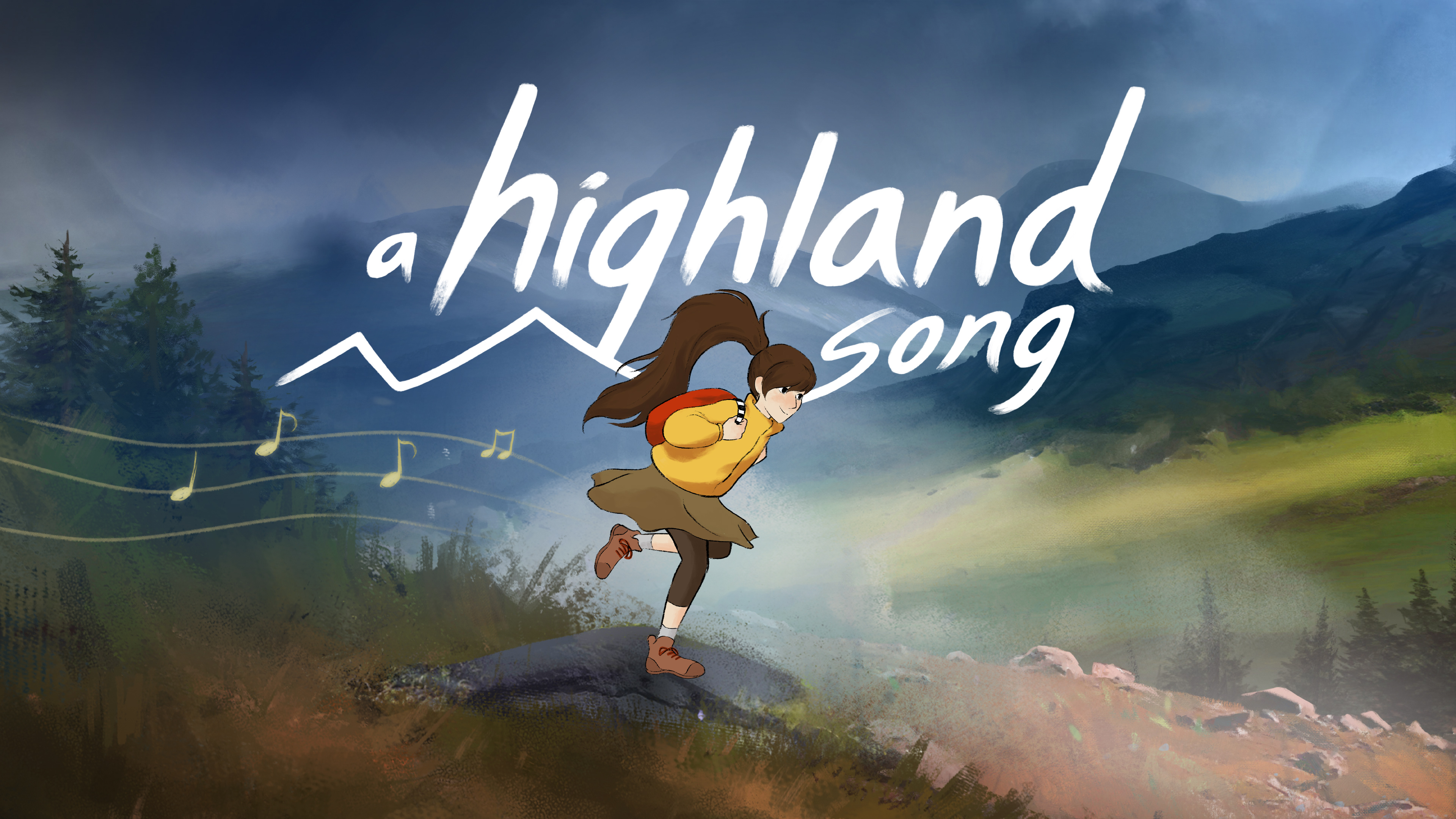
About A Highland Song
Moira McKinnon runs away from home after her Uncle Hamish invites her to his lighthouse by the sea. A Highland Song sends her across Scotland’s Highlands through open platforming, map-based route finding, survival pressures and music-led runs. Discoveries shape a woven story of family, history and folklore, and carry into later journeys.
Moira McKinnon has spent her life on the edge of the Scottish Highlands with her mother, never having seen the sea. When her Uncle Hamish writes to invite her to his lighthouse on the coast, promising a surprise if she arrives by Beltane, Moira leaves home and sets off across the hills. That simple destination gives the journey direction, while the open landscape makes the route itself the central question. The story follows a young runaway rather than a soldier or chosen hero: she has to read the terrain, decide where to go and make sense of the histories and family stories she encounters. Hamish’s letters and remembered words accompany her, giving the trip a personal thread even when she is far from other people. The Highlands are also presented through a mixture of natural landscape and folklore. Giants, ghosts, crows and eagles belong to the stories attached to its peaks and valleys, and what Moira finds depends on which places she reaches. Her crossing therefore brings together a physical goal, an uncle’s invitation and a landscape whose local memories are revealed along the way.
The game presents the Highlands as a broad, layered place in a 2.5D side-scrolling view. Moira can climb peaks to look across the surroundings, then travel between hand-built areas through routes connecting one stretch of terrain to another. This design means the visible panorama is more than scenery: distant ridges and valleys can point toward places she may later reach, while the playable paths thread through a landscape that cannot simply be crossed in a straight line. The player alternates between looking outward to orient and working through the immediate ground underfoot. A zoomed-out view helps reveal the larger arrangement, and the visual layering of foreground slopes, painted distance, haze and changing weather makes the space feel wider than a flat platforming corridor. Moving slowly enough to inspect the horizon can help turn a confusing hillside into a set of possible next steps. The game’s scale comes from linked, navigable sections rather than a seamless open world, so learning how the routes fit together is part of the adventure itself.
Navigation depends on finding fragments of hand-drawn maps and matching their clues to the landscape. A fragment may depict a distinctive silhouette or feature without simply marking a destination on a conventional map; climbing to a viewpoint lets the player compare the drawing with the peaks and search for the path it indicates. Finding and positioning fragments reveals faster connections between areas. This makes exploration a form of visual deduction: travel to a high point, study the shape of the land, recognize a matching feature, then descend or traverse toward a route that was previously hidden. The maps also give a practical reason to leave the most obvious path. A detour can uncover another fragment, a shortcut, a story-bearing landmark or an item that matters later. Once discovered, routes and other knowledge can make subsequent journeys more direct. Rather than treating backtracking as a separate menu task, the game ties route planning to looking at the world and remembering its geography. The hills become easier to read as Moira and the player accumulate clues, so a familiar view can suggest possibilities that were invisible on an earlier crossing.
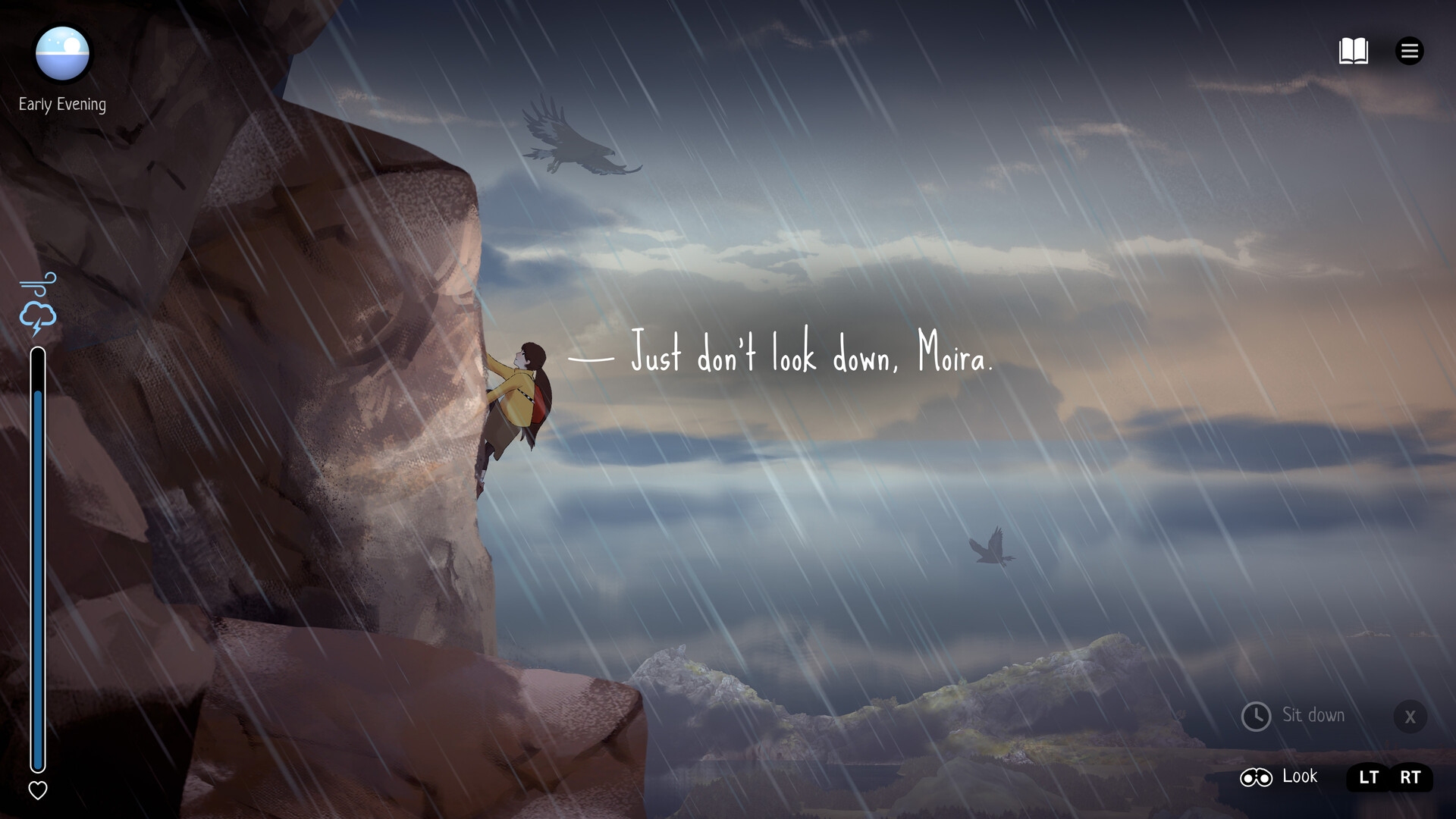
Getting across the Highlands involves more than finding the right route. Moira runs over gentler ground, jumps between rocks, climbs steep faces, scrambles up ledges, slides down scree and explores caves. The same slope that offers a quick descent can become a hazard, and a climb requires attention to her stamina and footing. Resting in a suitable place lets her recover, while exertion and falls make the journey harder. Wind, rain and cold affect survival, making shelter and recovery part of deciding where to stop. Weather can change how safe it feels to keep moving, so an exposed summit or a long stretch between refuges has a cost beyond the time spent travelling. These pressures are designed around the trek rather than a separate combat system: the challenge is managing movement, route choice and rest in a difficult environment. The studio has described dialing back the survival demands during development to keep the story and momentum in view. On Steam, players can also adjust how strongly poor weather affects health and recovery, and can disable a climbing re-attachment prompt. Those options make the terrain’s demands adjustable while retaining the climb, shelter and route-planning loop.
Some stretches change from climbing and searching to rhythm-led running. These runs carry Moira across wider valleys, with music from Scottish folk groups TALISK and Fourth Moon accompanying sequences of jumps over steps, rocks and gaps. The player responds to the rhythm as she moves, turning a long crossing into a timed platforming section. The movement and arrangement of the valley are connected: the studio describes placing terrain patterns in relation to the musical beat, so obstacles arrive in time for the next jump. The rhythm runs are therefore part of traversal as well as a musical interlude, giving the journey a different pace from its quieter map-reading and climbing sections. Missing inputs can interrupt Moira’s momentum, but Steam includes options for less complicated rhythms or unlimited stumbles, so players can soften that demand. Music also appears in the wider soundscape, where ambient and narrative passages support the sense of place. Laurence Chapman composed music for the game alongside the two folk bands; their fast, inventive traditional-style playing gives the valley runs a sound and tempo distinct from the quieter work of exploring.
The narrative is described by Inkle as weaving rather than branching. Routes can expose different story fragments, histories, family secrets and encounters, and the story can surface material according to what the player knows and the state of the world. This means that individual journeys may reveal different portions of the larger account without presenting each route as a simple choice between separate plot lines. A cave, landmark or conversation can add context that changes how a later place or recollection reads. Moira’s memories of Hamish and her own narration help connect such discoveries to the immediate trek, while stories rooted in the Highlands give locations their names and associations. The player is not required to see everything on one trip; the game expects the crossing to be made more than once. Maps, discovered routes, items and knowledge persist to make later journeys more informed, opening up opportunities to take a more direct path or seek out details missed before. Repetition is thus built into the story’s structure: each attempt can be both a renewed effort toward the lighthouse and a different arrangement of the region’s stories.
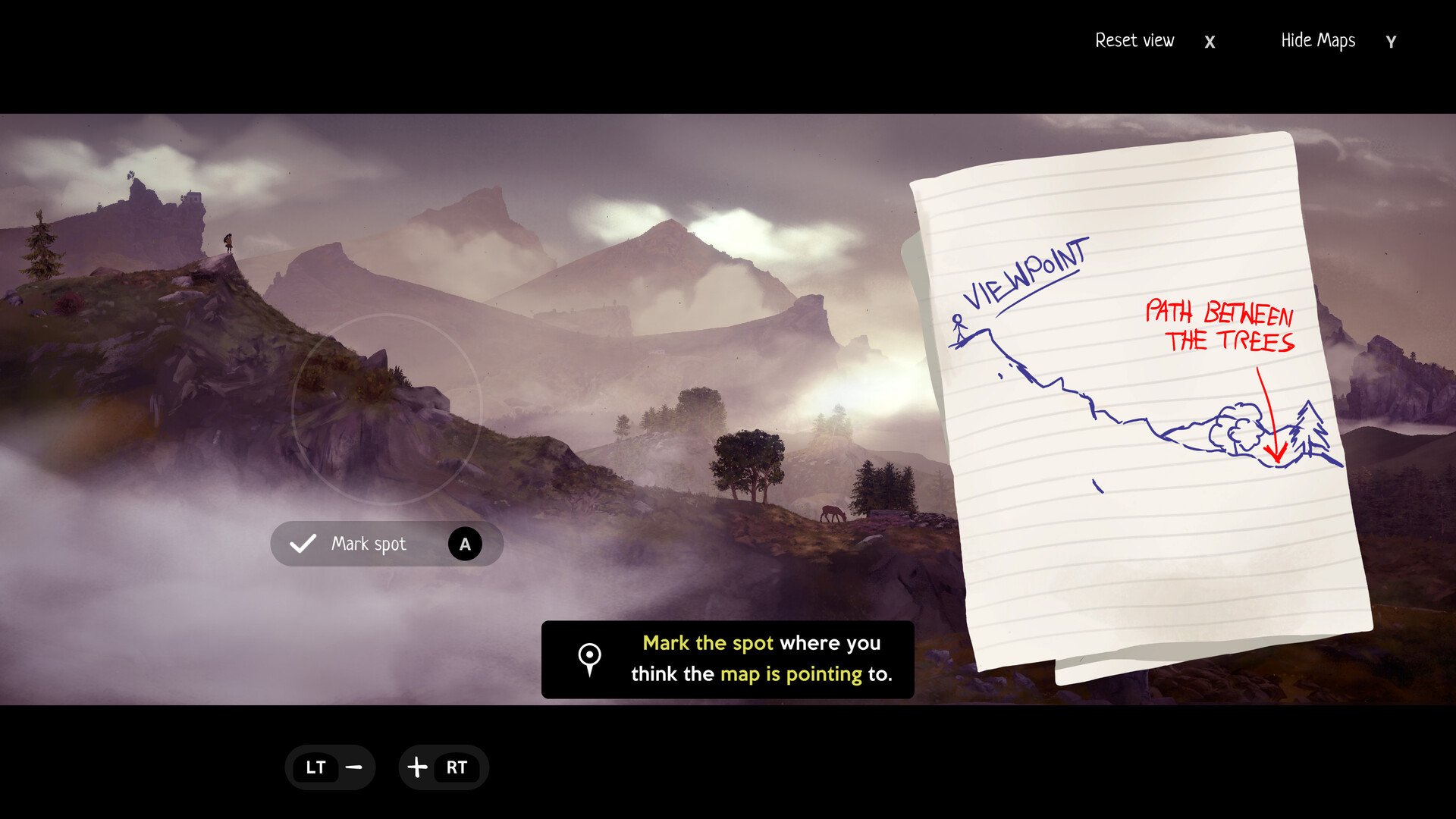
A Highland Song’s visual presentation combines hand-drawn character animation with impressionistic painted scenery, layered terrain and dynamic lighting and weather. Looking from a summit can widen the view to the surrounding ridges, while fog, haze, cloud and changing light affect how far the eye can travel. Inkle’s developers describe making distant layers playable destinations, so scenery that first reads as a painted backdrop can form part of the route system. That combination gives the world two roles: it establishes the mood of a wilderness and supplies visual information for navigation. The audio has a similarly structural role. The composed score by Laurence Chapman sits alongside tracks by TALISK and Fourth Moon, with the latter bands’ music specifically tied to the rhythm runs. Steam sells an Official Soundtrack as a separate item and includes it in the Deluxe Edition; that album is distinct from the music heard during play. Inkle also released a Harmony content update that adds five music tracks, a Landmarks feature and a new story thread. Those are additions to the game itself, separate from purchasing the soundtrack album. The result is a journey in which terrain, music and story each provide clues to how Moira’s crossing can unfold.
- Developer
- inkle Ltd
- Genre
- Narrative adventure with platforming, survival and rhythm elements