
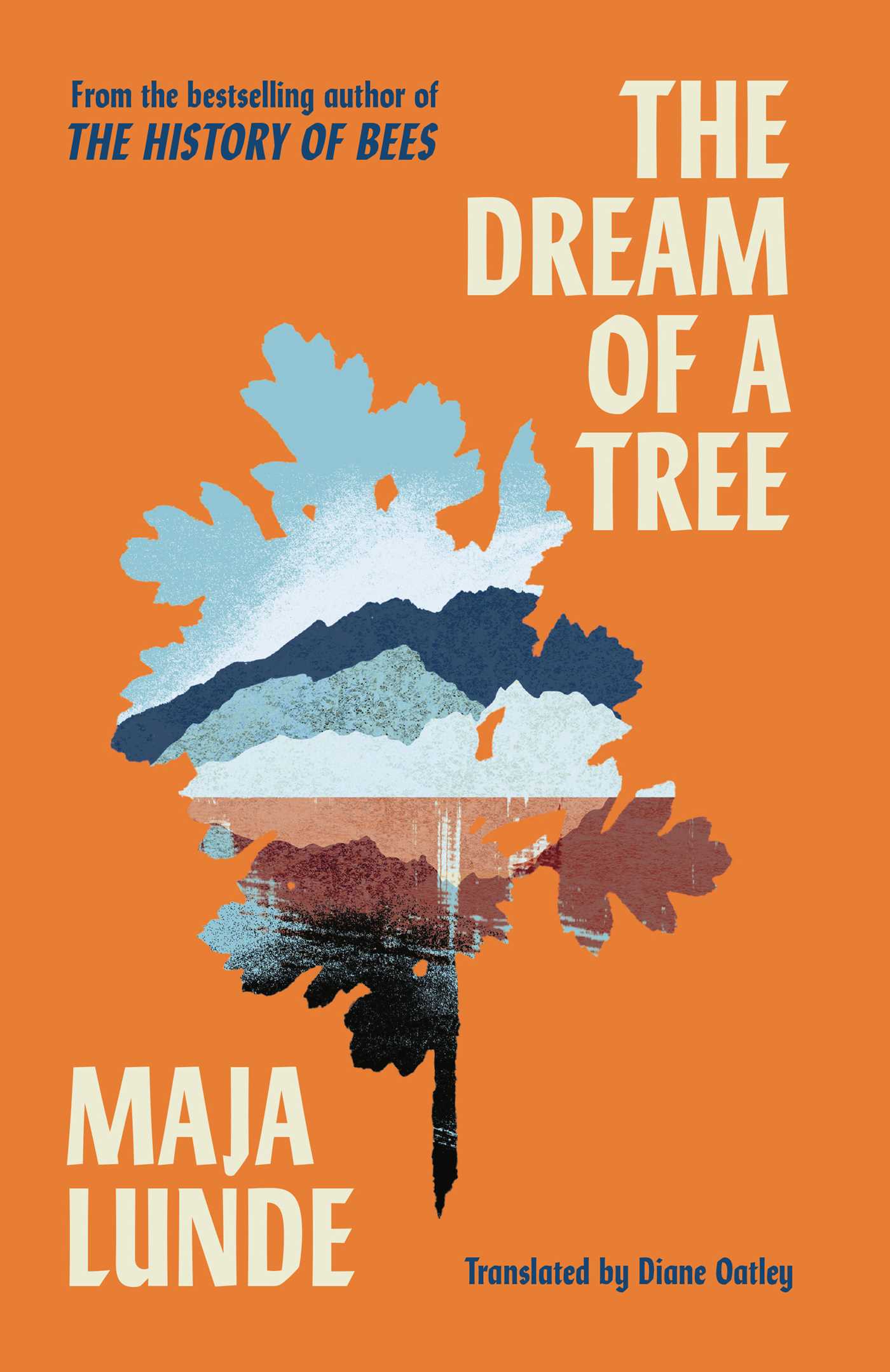
The Dream of a Tree
In 2110, teenage Tommy lives with his brothers and grandmother in an isolated Longyearbyen community built around a vault of seeds.
About
Spoiler notice: Spoiler-light account: describes the Longyearbyen disaster, Tommy’s isolated community, Tao’s expedition and the conflict around the seed vault without revealing later turning points or the ending.
Maja Lunde begins The Dream of a Tree in Longyearbyen, far north on Svalbard, where a small community has chosen to live apart from the rest of the world. In 2110, teenager Tommy grows up there with his two younger brothers and a grandmother who cares for the global seed vault buried in the mountains. The settlement has its own rhythms and practical knowledge, shaped by a severe Arctic landscape and dependence on one another. The vault is both a real store of seeds from around the world and a quiet presence in daily life. Its importance becomes harder to ignore when a disaster strikes Longyearbyen and leaves Tommy and only a handful of young people among the survivors. The novel’s distant future is therefore introduced through a local crisis, seen by a teenager whose immediate responsibilities are family and survival.
Tommy’s sections move between the unsettled present and memories that gradually fill in how he reached it. The book does not treat the seed vault as a magic solution waiting to be opened. Its contents matter because they preserve possibilities for a world where plants and food systems have been badly diminished, but storing seeds is different from restoring living ecosystems. Tommy’s grandmother has made him a custodian of knowledge as well as a vulnerable cache. That distinction gives the vault a moral and practical weight: access alone cannot make recovery simple, and the people who might need the seeds do not necessarily share a single claim or plan. Tommy has to grow into decisions with consequences beyond his isolated community, even while grief and the work of keeping his family alive narrow his attention to the immediate day.
Far from Svalbard, the narrative follows Tao in a landscape marked by hunger and extensive species loss. She is still grieving Wei-Wen, her son, and lives in a community with little room for ordinary hope. When she is asked to lead an expedition north, the seed vault becomes more than a distant legend: it is a possible resource for people facing ecological and social scarcity. Tao’s journey connects her story to Tommy’s, but the characters approach the same seeds from very different circumstances. To Tommy they are entrusted heritage and a responsibility he barely had time to choose; for Tao’s community they might offer a way to confront immediate deprivation. Lunde makes the distance between these viewpoints part of the tension rather than allowing the object itself to decide what ought to happen.
The plot’s intersecting strands also link this final volume to The History of Bees. Tao appeared earlier in Lunde’s Climate Quartet, and the later novel brings her into a future shaped by the consequences of ecological loss. The connection makes the series feel cumulative without reducing The Dream of a Tree to a recap: its principal focus is Tommy and the children left on Svalbard. A scholarly reading of the book notes that the story gives an adolescent protagonist the work of navigating a damaged world and that Tommy’s perspective unfolds through memories as well as present events. This structure keeps the larger timeline legible through personal experience. The past explains how the isolated group came to be, while the forward movement turns on whether people separated by geography and need can make a shared decision about what the seeds are for.
Seeds, children and trees gather several meanings without collapsing into one another. The physical seeds have practical value, while their long dormancy raises questions about preservation, use and who gets to decide when a resource should be spent. Tommy’s own growth takes place alongside the greenhouse and the vault, but the novel keeps the labor of care visible: growing things demands attention, knowledge and time. The tree in the title adds another scale, suggesting living growth against the stripped landscapes the characters inhabit. These motifs do not make the ecological crisis abstractly hopeful. Rather, they make hope dependent on fragile things and on choices among people who may be frightened, grieving or hungry. The future rests on both biological inheritance and the relationships through which knowledge passes between generations.
The book’s central conflict is consequently more difficult than a race to reach a cache of seeds. Tao’s expedition places Tommy’s small community in contact with a wider world that has its own urgent needs and claims. The question becomes whether preservation means keeping the vault untouched, or whether its purpose requires putting its contents to use, and who is entitled to make that choice. Lunde keeps this argument close to the characters’ relationships: adults are absent from Tommy’s immediate world, children must carry responsibilities they did not design, and Tao’s grief accompanies her public role. The novel closes the Climate Quartet by bringing environmental change back to particular lives, families and decisions. Its opening situation establishes those stakes and allows the later consequences to remain with the story itself.
Book details
- Author
- Maja Lunde
- First published
- 2022
- Series
- The Climate Quartet, book 4
- Subgenre
- Climate fiction, Dystopian, Literary fiction
- Primary genre
- Literary Fiction, Sci-Fi
- Tags
- No tags for this book.
- Reading order
- Also on this shelf: The End of the Ocean (book 2), The Last Wild Horses (book 3)
Review
Editor profile
Baby Bat
Goodreads and social links will be added soon.
- Goodreads — link coming soon
- Social media — link coming soon