
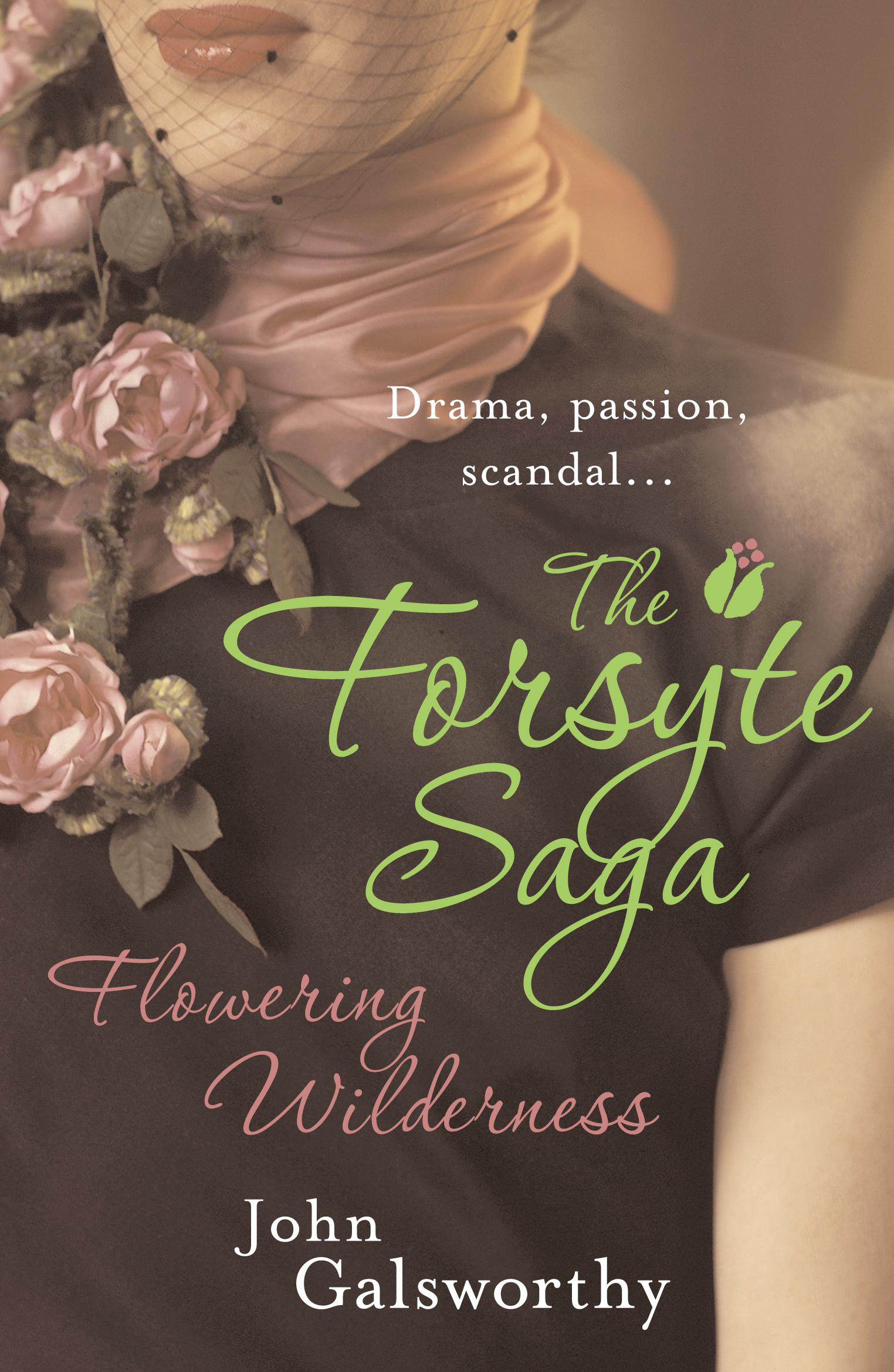
Flowering Wilderness
Dinny Cherrell and the poet Wilfrid Desert fall in love after meeting again in London.
About
Spoiler notice: This overview discusses Wilfrid’s confession, the controversy around his poem and the separation at the ending.
Flowering Wilderness begins in London in 1930, beside the statue of Marshal Foch near Victoria Station. Dinny Cherrell meets Wilfrid Desert again there, remembering him from Fleur and Michael Mont’s wedding ten years earlier. She had been a young bridesmaid; he was the best man. Now he is a poet recently returned from years in the East, carrying experiences and tensions that are not apparent in an ordinary social reunion. The military monument places public honour beside the start of a private attachment, a connection the novel will steadily tighten. Published in 1932 as the second book of End of the Chapter, it brings the helpful, family-minded Dinny of Maid in Waiting into a crisis that concerns her own happiness.
Their attraction develops quickly through repeated meetings, conversations and the reading of Wilfrid’s poems. Dinny responds to the intensity of his writing and to feelings that make her familiar life seem suddenly transformed. Their proposed marriage nevertheless raises practical questions about relatives, money and his desire to travel. A more troubling question appears when she asks about a report that he has become Muslim. He tells her that in Darfur he was threatened and recanted to save his life. The account is his own explanation of an experience already carrying different meanings through rumour. Dinny’s response is to affirm her love. She believes his worth exceeds a single act under coercion, and her protective tenderness grows alongside the excitement of being wanted by him.
The difficulty is that Wilfrid cannot keep either the experience or its meaning confined to that conversation. His poem The Leopard gives artistic form to a confrontation between the desire to live and a sense of betrayal. Dinny recognizes its power before the story behind it becomes public, and encourages him to keep it among his work. Publication then draws the experience into a world of reviews, commercial calculation, newspaper comment and personal reputation. Wilfrid acknowledges that the poem concerns himself and that he converted at the pistol’s point. A confession intended to face the truth creates further demands for explanation. His readers and acquaintances do not merely judge the quality of a poem; they claim an interest in how an Englishman ought to have behaved.
Those judgments expose the assumptions of the society around Dinny. For some characters, resistance unto death appears inseparable from religious fidelity, national prestige or the responsibilities of a particular class. Others question why a person should die for beliefs he does not hold, or regard the matter as belonging to his conscience. Galsworthy gives these positions different voices in family conversations and club discussions, allowing sympathy, prejudice, pride and genuine moral uncertainty to mix. Wilfrid’s record of wartime service does not prevent the accusation of cowardice from taking hold. The debate also shows how readily people far from the original danger make absolute rules for someone who faced it. Dinny has to hear the man she loves discussed as a public example while she knows his vulnerability at close quarters.
Jack Muskham turns disapproval into direct confrontation. His challenge to Wilfrid leads to a violent encounter at Royston, where Dinny witnesses the fight. The effort to establish honour through aggression does not free Wilfrid from the shame he already carries; instead, it makes their relationship still more exposed. Dinny’s relatives worry about the future she is choosing, but their interventions cannot easily distinguish concern for her from their own standards of acceptable conduct. Sir Lawrence’s advice presses Wilfrid to resolve his conflict with himself before attempting a shared life. Dinny continues to offer commitment, yet her willingness cannot create the inward stability he lacks. The novel’s central obstacle becomes the way external condemnation enters his understanding of himself and changes what he can bear to receive from her.
Their separation takes shape through actions that leave Dinny with little opportunity to answer. During a visit she tries to remain with Wilfrid and arranges to stay for dinner, only to find that he has gone out and left a message that he will write. His abrupt departure is devastating because her instinct prevents her from pursuing someone who has dismissed her presence. Later news that he has malaria creates another test of restraint: affection and anxiety remain, even though she no longer feels able simply to go to him. Wilfrid still acknowledges his love when speaking with Adrian, but describes an emotional life emptied by the stigma surrounding him. His eventual departure for Siam supplies distance rather than a reconciliation, while his dog Foch passes into Dinny’s care.
At Condaford the family prepares to welcome Dinny without making relief at the broken attachment visible. Her mother fills her room with roses; Jean meets her train. Dinny asks to walk home across the fields, giving herself a few moments in which she need not perform composure for anyone. The household’s financial difficulties then offer a concrete responsibility. Finding her father’s advertisement to sell his horses, she tears it up and gives him the money needed to meet his shortfall, choosing to help sustain the place to which she belongs. This useful act does not cure her grief. Alone outside at night, she looks for comfort in trees, darkness and stars, but Wilfrid’s face returns to her thoughts. The ending leaves her able to act for others while still suffering a loss that practical devotion cannot undo.
Book details
- Author
- John Galsworthy
- First published
- 1932
- Series
- The End of the Chapter, book 2
- Subgenre
- Literary fiction, Modern classics
- Primary genre
- Literary Fiction
- Tags
- No tags for this book.
- Reading order
- Also on this shelf: Maid in Waiting (book 1), Over the River (book 3)
Review
Editor profile
Baby Bat
Goodreads and social links will be added soon.
- Goodreads — link coming soon
- Social media — link coming soon