
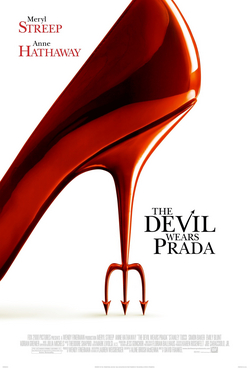
Behind the film
- Year
- 2006
- Director
- David Frankel
- Writers
- Aline Brosh McKenna
- Runtime
- 1h 49m
- Genres
- Comedy drama, Drama
- Production
- 20th Century Studios
- Country
- United States
- Cast
- Meryl Streep, Anne Hathaway, Emily Blunt, Stanley Tucci, Simon Baker, Adrian Grenier, Tracie Thoms, Daniel Sunjata
About the film
Contains story spoilers.
Andrea Sachs arrives in New York hoping to become a journalist and takes an assistant job at Runway, a fashion magazine led by editor Miranda Priestly. Andy knows little about the industry, and Miranda makes that gap unmistakable with abrupt requests and exacting standards. First assistant Emily Charlton knows the office's rules but is strained by her own ambition; art director Nigel sees that Andy's initial indifference will not help her survive. At first Andy treats the job as a temporary obstacle, planning to use the magazine's connections to move into reporting.
The work quickly proves more demanding than a title suggests. Miranda expects Andy to anticipate needs, handle personal errands and keep calm while priorities change without warning. When a storm disrupts Miranda's travel, Andy cannot produce the arrangement she wants. Nigel gives the disappointed assistant a practical challenge: stop approaching the industry as something too trivial to deserve her attention. A change of wardrobe accompanies a more serious effort to understand the job, and Andy begins completing tasks that once looked impossible. The distinction matters. Clothes can make her look fluent in the workplace before she is, but learning its rhythms is what lets her anticipate a demand instead of always responding late. Miranda notices the difference without making the atmosphere friendlier.
That progress comes with costs. Andy misses time with boyfriend Nate and friends Lily and Doug as she fields office calls and stays late. Emily, who has long prepared to accompany Miranda to Paris Fashion Week, is proud of the opportunity but works herself sick before an important charity event. When Emily cannot recall key names, Andy steps in and saves Miranda from embarrassment. Miranda then selects Andy for Paris. The choice rewards competence while making Andy the person who displaces a colleague who has wanted that trip far longer.
Before they leave, Andy's relationship with Nate breaks under the strain of her changed priorities. In Paris she experiences the glamour and labor behind Runway's image, working alongside Miranda through shows, meetings and social events. Miranda privately reveals the approaching end of her marriage, exposing vulnerability beneath her public composure. Andy also spends a night with journalist Christian Thompson, who tells her that Jacqueline Follet may replace Miranda as editor. Andy tries to warn her boss, but Miranda is already managing the threat. Her personal life and professional position have both become entangled with the people whose favor she needs.
The threat to Miranda’s position shows Andy how precarious even a powerful editor’s career can be. Nigel believes he is about to become creative director for designer James Holt, but Miranda reveals that she has arranged for Jacqueline to take that role instead, protecting her own standing with the people who control Runway. Andy is appalled that Miranda has sacrificed Nigel, yet Miranda points out that Andy made a comparable choice when she accepted Emily's Paris place. The parallel forces Andy to recognize her own part in the workplace's competition.
Andy leaves Miranda in Paris, throwing her phone into a fountain after Miranda calls. Back in New York she reconnects with Nate, now working in Boston, and interviews for a position at the New York Mirror. The editor tells her that Miranda described her as a disappointment but also insisted the paper would be foolish not to hire her. Andy gets the reporting job, offers the clothes she brought from Paris to Emily, and later waves to Miranda outside Runway. Miranda does not acknowledge her in public, though she smiles once inside her car.
David Frankel's film makes the office legible through rhythm: coats arrive, phones ring, assistants move between desks, and Miranda's entrance alters everybody's pace. Her restrained delivery makes other people supply the urgency. Emily Blunt's Emily speaks and moves with the tension of somebody measuring how close she is to the opportunity she wants. Stanley Tucci's Nigel can be cutting, but his attention also demonstrates the knowledge Andy has been dismissing. The changing clothes make Andy's adaptation visible across a sequence of ordinary arrivals, while the move to Paris gathers that daily effort into a more concentrated performance of status. Glamour remains attached to schedules, errands and people waiting for decisions. The hotel rooms and events are another workplace rather than a holiday from Runway. Andy's phone connects those spaces to the demands she hoped to leave behind, making her eventual refusal a practical act: she stops being available for the next instruction.
Aline Brosh McKenna's screenplay adapts Lauren Weisberger's novel around a difficult relationship between admiration and imitation. Anne Hathaway's Andy can learn to do the work well without immediately recognizing how the job is changing her choices. Meryl Streep's Miranda rarely needs to announce the full reach of her power, because the assistants' reactions keep showing it. Her private distress complicates the picture without excusing what happens to Nigel. Andy's departure also leaves a complication: she can reject one version of success while still benefiting from the experience and from Miranda's recommendation. The brief final encounter does not require either woman to explain that contradiction away. Their recognition remains limited, with Miranda preserving the public manner everybody at Runway already knows.