
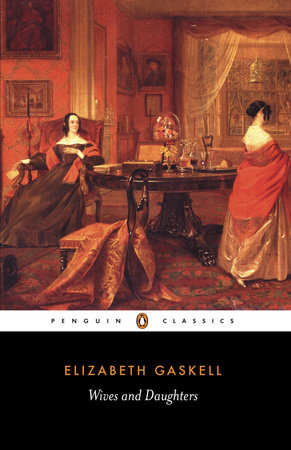
Wives and Daughters
Molly Gibson grows up in Hollingford with her widowed doctor father, until his remarriage brings a new mother and the charming Cynthia into her home.
About
Spoiler notice: Full-plot spoilers, including Osborne's marriage and death, Cynthia's engagements, Roger's feelings and the unfinished ending.
At twelve, Molly Gibson can hardly imagine a greater occasion than an invitation to Cumnor Towers. Her carefully prepared bonnet and anxiety about the weather give Elizabeth Gaskell's novel an opening rooted in the scale of a child's expectations. Beyond Molly's bedroom lies Hollingford, a country town whose habits and opportunities are closely tied to the great landowning family nearby. The Cumnors' influence reaches from charitable schooling to the way neighbours vote, and their kindness arrives with an expectation of deference. Molly's father, the local doctor, moves through that world with professional usefulness and a degree of independence, though even he must arrange matters tactfully. Molly has lost her mother too young to remember the loss clearly, and the affection between father and daughter gives her a security that the coming changes will disturb.
Mr. Gibson's marriage to the widowed Mrs. Kirkpatrick brings a new set of ambitions and sensitivities into their home. Clare, now Mrs. Gibson, wants comfort, refinement and relief from the dependence of her earlier life. Gaskell lets those wishes appear in small transactions as well as conversations. Money intended to bring her daughter Cynthia home for the wedding is diverted towards debts, with an explanation that allows Clare to think herself reasonable. Her concern for appearances coexists with genuine anxieties about money and position, making her more complicated than an openly hostile stepmother. When Cynthia becomes part of the household, Molly gains a stepsister whose beauty and social assurance are very different from her own manner. Affection between the girls grows within a home where intentions, expenditure and even expressions of kindness can become difficult to disentangle.
Hamley Hall offers Molly another household to care about, and another education in the difference between a family's hopes and its private circumstances. The Squire has invested expectations in his elder son Osborne, but disappointment and money troubles have made their relationship painful. His younger son Roger provides Molly with sympathy and a steadier companionship. During Mrs. Hamley's illness, Molly wants to help, yet often finds herself unsure whether she is needed or merely in the way. Then an accidental encounter in the library makes her the keeper of Osborne's secret: he has married without his father's knowledge. Roger brings a letter from his wife, not realising Molly is present. Her promise of silence creates a responsibility she never sought, binding her more closely to a family whose distress she cannot simply put right.
Cynthia's history places a different secret in Molly's hands. Mr. Preston holds letters containing a youthful promise of marriage, and he refuses to accept that Cynthia no longer wishes to marry him. Her attachment to Roger makes the threat of disclosure still more painful. Molly confronts Preston, insisting that keeping the letters as a weapon is conduct no gentleman should defend. When moral appeals fail, she threatens to take the matter to Lady Harriet and Lord Cumnor, whose authority Preston cannot dismiss so easily. He eventually returns the letters, though resolving their possession does not make every consequence disappear. Molly's meetings with him become material for Hollingford gossip. The town can see a young woman in his company without seeing the duty that brought her there, turning an act of loyalty into apparent evidence against her.
Osborne's failing health brings the Hamley story to a crisis. Before his death, he entrusts Molly with the whereabouts of his wife Aimée and their child, giving her the practical knowledge needed when concealment can no longer continue. Aimée is French, Catholic and a former servant, far from the marriage the Squire had imagined for his heir. Learning that Osborne has left a son gives the grieving father a new object of love, but accepting the child's mother is harder. Later, the little boy's dangerous illness draws grandfather and mother together at his bedside. Mr. Gibson helps arrange nearby lodgings where Aimée can retain control over her son's care while remaining close to the Hall. Family reconciliation takes shape through that workable arrangement, with room for affection and differences that have not magically vanished.
Roger's return does not restore his relationship with Cynthia. She has chosen Mr. Henderson, and Roger gradually recognises the importance of Molly in his own life. His hesitation is easily misunderstood. When his father urges him to consider her, he says it is too late and that he will never try, but the later narration reveals that loving her is already a fact for him. He fears that Molly will despise his apparent inconstancy after Cynthia. A gift of flowers and Molly's return of a rose offer reassurance without a full declaration. Roger eventually confides in Mr. Gibson, who would rather entrust his daughter to him than to anyone else, while refusing to become a messenger between them. Their hopes remain subject to another departure for Africa and to the uncertainty of what Molly herself will say.
The final written scenes keep that uncertainty within ordinary domestic life. Scarlet fever at the Hall prevents Roger from visiting the Gibsons before he leaves, so his farewell takes place through gestures across a distance, with Mrs. Gibson enthusiastically occupying much of the window. Molly returns to her work, holding the happiness of their renewed friendship alongside the sadness of separation. The narrative then stops during talk of Cynthia's coming visit, clothes and a new shawl. Gaskell died before completing the novel, and the editor's concluding remarks describe the intended marriage of Roger and Molly rather than supply a final chapter written by her. That distinction matters: the direction of their story is clear, but its completion belongs to the postscript. The surviving novel leaves Molly poised between the familiar household and a future she has not yet entered.
Book details
- Author
- Elizabeth Gaskell
- First published
- 1864
- Series
- No series listed
- Subgenre
- Literary fiction, Family novel, Historical fiction
- Primary genre
- Literary Fiction, Historical Fiction
- Tags
- No tags for this book.
Review
Editor profile
Baby Bat
Goodreads and social links will be added soon.
- Goodreads — link coming soon
- Social media — link coming soon