
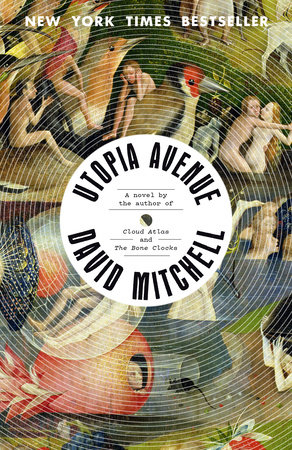
Utopia Avenue
In 1967 London, four musicians from different backgrounds come together as Utopia Avenue, a band shaped by the city's psychedelic scene.
About
Spoiler notice: Spoilers include the band’s formation, members’ backgrounds, personal crises and selected early career turns. The band’s final outcome and ending are not disclosed.
In 1967 London, four musicians with different influences are brought together as Utopia Avenue. Elf Holloway plays keyboards and sings, Dean Moss plays bass, Jasper de Zoet is the lead guitarist, and Griff Griffin is the drummer. Their manager, Levon Frankland, sees them performing in other groups and believes their differences could work together. The musicians are eager to find an audience, and the novel follows their progress from rough early engagements toward a wider public. Their story begins with familiar elements of a band’s rise, but it also establishes the individual temperaments and private histories that will shape what the group can become. The four share a name and a stage; they do not begin with the same past or the same reasons for wanting success.
The band’s early life is presented through concrete stops along the way: difficult gigs, travel between engagements in a broken-down van, the excitement of hearing one of their songs on the radio, and a television appearance on Top of the Pops. The story then widens from Soho clubs to European performances and an American tour in 1968. These changes bring new audiences and pressures, while the musicians remain a small group trying to find its footing in public. The route gives the novel forward movement, but each milestone also changes the scale of what the band is attempting. Its members are pleased to be on the road toward success, and that uncomplicated desire distinguishes their story from the familiar pose of the rock rebel who rejects recognition.
The members’ lives outside the band matter to its story. Dean carries unresolved family issues; Elf is working through questions of sexuality; and Jasper experiences perceptions and sounds that other people around him do not share. The novel also brings grief and other personal crises into the lives of the musicians as their reputation grows. These pressures complicate the uncomplicated image of four performers moving from venue to venue. They have chosen to work together, but each must still respond to experiences the others cannot fully share. Their developing relationships give the rise narrative its emotional texture: public attention increases, yet it does not make private difficulty disappear or automatically bring the members closer.
Music gives the band a shared purpose, but the novel is not simply a story about turning artistic ambition into fame. The members are eager to find listeners and win them over, and the New Yorker’s account notes their refusal to compromise artistic choices with management. The book places that determination beside the realities of rough venues, travel, growing sales and the changing attention directed at the group. Mitchell lets success arrive as an appealing prospect while showing that it cannot answer every personal question. The result is a band story with room for idealism and for its limits: the musicians want to make a life in music, yet their individual concerns remain present inside the collective identity they are building.
The late-sixties music world includes real performers who cross paths with the fictional band. David Bowie, Brian Jones, John Lennon, Jimi Hendrix and other musicians are among the historical figures noted in the New Yorker’s discussion of the novel’s cameos. Their presence places Utopia Avenue in a recognisable cultural landscape, while keeping clear that the band itself is Mitchell’s invention. The mix of fictional and real people adds another kind of pressure to the story: the musicians pursue their own uncertain careers in a world where other artists have already become public figures. The novel’s settings, from London and European stops to America, keep the band’s experience connected to the wider music scene of the period.
Readers of Mitchell’s earlier books may also recognise names that connect Utopia Avenue to his wider fictional world. The New Yorker identifies Levon Frankland as a figure who also appears in The Bone Clocks, and notes further echoes involving Heinz Formaggio, Robert Frobisher and Luisa Rey. These connections add an extra layer for returning readers, but the band’s rise and the changing relationships among its members form the central line of this novel. Knowing the earlier books can make a name resonate; it is not necessary to decode every reference to understand the musicians’ immediate story. The novel thus works both as a book about one invented band and as part of Mitchell’s larger pattern of recurring people, names and histories.
Utopia Avenue follows the familiar promise of a band finding its audience, then uses that promise to examine what fame can and cannot change. Its musicians want to succeed, and the story takes their ambition seriously without treating recognition as a cure for grief, family strain or uncertainty. Music connects people, but it does not erase the differences they bring into the group. Mitchell’s novel moves between public milestones and private experience, giving the band’s collective identity room to form while showing the friction that remains beneath it. The result is a literary novel about idealism, ambition and belonging, set in a period when music carried hopes of cultural change and individual lives still resisted easy resolution.
Book details
- Author
- David Mitchell
- First published
- 2020
- Series
- No series listed
- Subgenre
- Literary fiction, Historical fiction
- Primary genre
- Literary Fiction
- Tags
- No tags for this book.
Review
Editor profile
Baby Bat
Goodreads and social links will be added soon.
- Goodreads — link coming soon
- Social media — link coming soon