
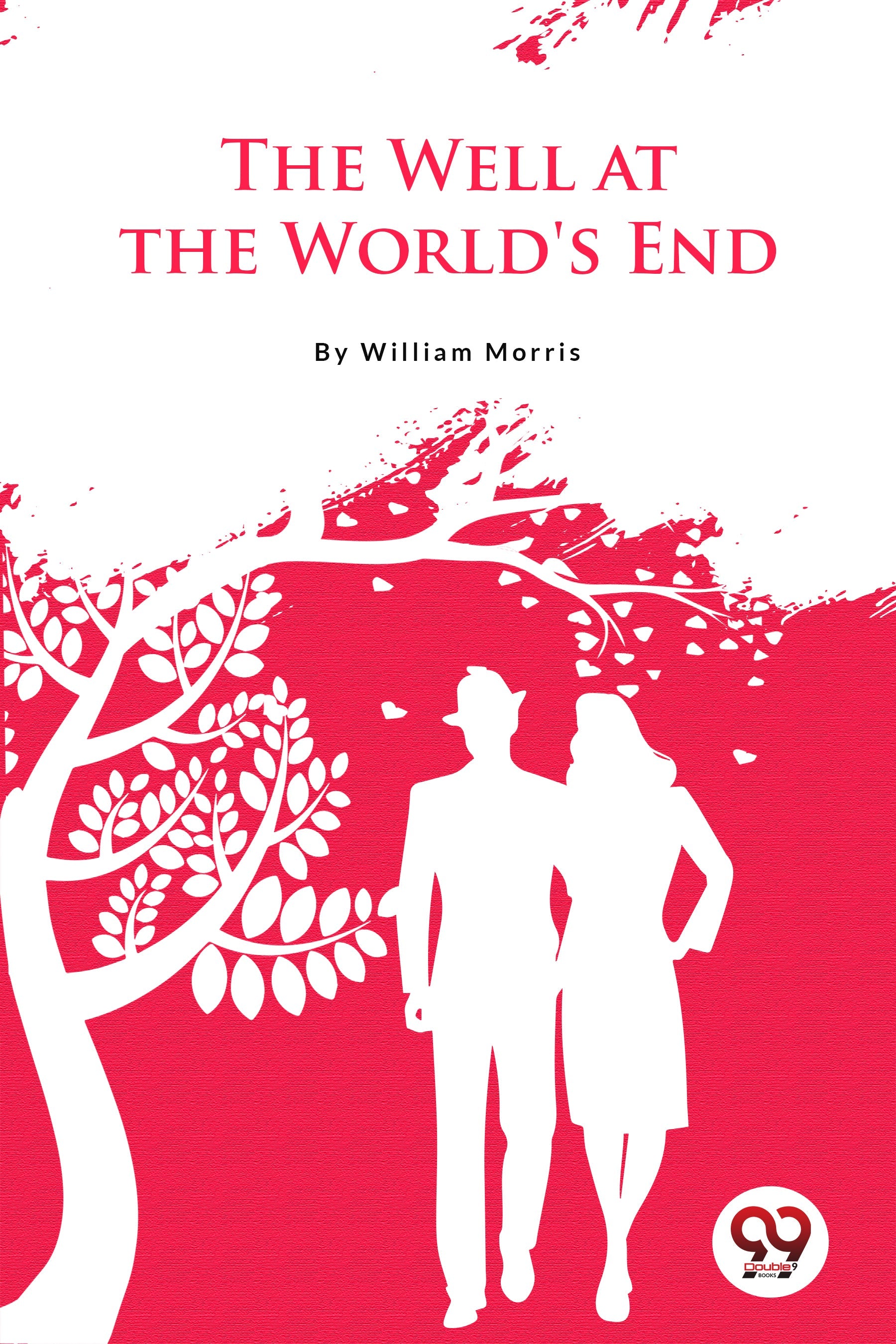
The Well at the World's End
Ralph, youngest son of King Peter of Upmeads, leaves home after lots keep him from joining his brothers on the road.
About
Spoiler notice: Full-plot spoilers, including Ralph's departure from Upmeads, his affair with the Lady of Abundance and her death, his captivity at Utterbol, reunion with Ursula, their drinking from the Well, and the battle and homecoming that close the romance.
The story begins in Upmeads, a small kingdom where King Peter's four sons feel hemmed in by the life their father has provided. He allows them to set out, but lots send the youngest, Ralph, back to the High House while his brothers take the roads. Ralph loves his parents and home, yet the settled future chosen for him feels wrong. At daybreak he carries his weapons to the river, hides them, takes his horse and crosses the ford before sunrise. That departure gives the romance its central tension: travel is a search for a larger life and a severing from obligations that remain real. Morris makes this imagined country tangible through farms, rivers, market towns, abbeys and contested woods, grounding the quest in daily life.
At Bourton Abbas, Ralph enters a tavern and is served by a young maiden who is spinning; she warns him against continuing alone. In a moment of despair, she wishes she could drink from the Well at the World's End. The name changes the direction of Ralph's thoughts: he leaves without the route, but his attraction to the maiden and interest in the Well now travel together. She knows only hearsay and, fearing for his life, withholds it. The girl appears in a sequence of brief meetings and separations rather than as an immediate companion; Ralph later learns her name, Ursula, through the story's tokens and other characters. He pursues rumours, and each settlement gives him only partial knowledge. The quest depends on memory, signs and choices made before either lover can see the whole road.
The House of Abundance changes the shape of Ralph's quest. Before meeting its Lady, he reads a hostile account of her in a book, then finds her living with the Knight of the Sun, whom she names as her husband. She tells Ralph that Walter the Black slandered her to the Knight, who drove her away barefoot. Before dawn the Lady takes Ralph out through the wood, partly to keep him from the Knight's power and partly because she loves him. Their first intimacy develops through shared road, meal and conversation; she corrects the book's distortions by telling her own history. The episode makes the romance's desire for wonder inseparable from the question of who is believed when a powerful man tells a story about a woman.
Her account begins far from court: she cannot name her parents or lineage and remembers a forest household with a woman she first thought was her mother. As a child and adolescent she spins, tends goats and sets snares under the woman's harsh rule; at about fifteen, she witnesses the woman kill her beloved white goat in a rite. She falls in love with a king's son, but his father's hostility brings imprisonment and a sentence of death before his supporters rescue her. Their struggles eventually lead to a throne. After her husband's death, she leaves with the Teacher of Lore, the woman who instructed her earlier. Together they reach the Well, whose water renews their youth. These are separate relationships and journeys: her account moves through slavery, love, persecution and power before arriving at the supernatural renewal that explains her present appearance.
The Lady and Ralph then leave the wilderness together. She names the cave their Chamber of Love and speaks of their marriage, making his romance with her a present event rather than a distant legend. Returning from hunting, Ralph stops to bathe nearby. He hears the Knight of the Sun and the Lady cry out, runs up with his bow and shoots the Knight. The Lady dies of her wound before Ralph can save her. In Whitwall, grief remains, but his friend Richard reads the exchanged beads and argues that the Lady may have meant her love to lead him back toward Ursula, the maiden from Bourton. Richard's explanation is an inference, not a confirmed motive; it nevertheless gives Ralph a reason to return to the earlier quest. The reader is left with Richard's interpretation as a possible bridge, while Ralph moves forward without the woman who had guided him.
With Clement's travelling company, Ralph crosses the mountains to Goldburg and follows reports of Ursula toward Utterbol. He is captured and taken to the Lord of Utterbol, whose household treats people as property; Ralph survives by concealing his intentions while allies help secure his release. He then continues the search alone until he finds Ursula again in the mountain wood, escaped from service at Utterbol. She accepts the role of guide, and the two seek the Sage of Swevenham. The Sage teaches them the route and rides with them across the volcanic rock-sea to the Gates of the Mountains. There he declares his journey with them over; Ralph and Ursula continue without him through the next lands and across the wilderness to the ocean-side Well. Together they drink and turn homeward.
The homeward road returns the pair to a world in which their departure has not paused its conflicts. Changes at Utterbol and the return of old companions connect the distant quest to the political danger gathering around Upmeads. Ralph and Ursula reach his family as an armed struggle approaches, and the romance ends with his leadership tested in the country he once left behind. Shepherds, former allies and the people of Upmeads face the invading force; Ralph's appearance helps break the attackers' confidence, and the defenders win. The ending brings Ursula into King Peter's household and closes the separation between the road and home. Yet the victory retains the book's hard edge: Ralph reflects on the people the raiders would have oppressed, and the bloodshed is presented as the cost of resisting that violence.
Book details
- Author
- William Morris
- First published
- 1896
- Series
- No series listed
- Subgenre
- Classic fantasy, Epic fantasy, Classic adventure
- Primary genre
- Fantasy, Adventure, Literary Fiction
- Tags
- No tags for this book.
Review
Editor profile
Baby Bat
Goodreads and social links will be added soon.
- Goodreads — link coming soon
- Social media — link coming soon