
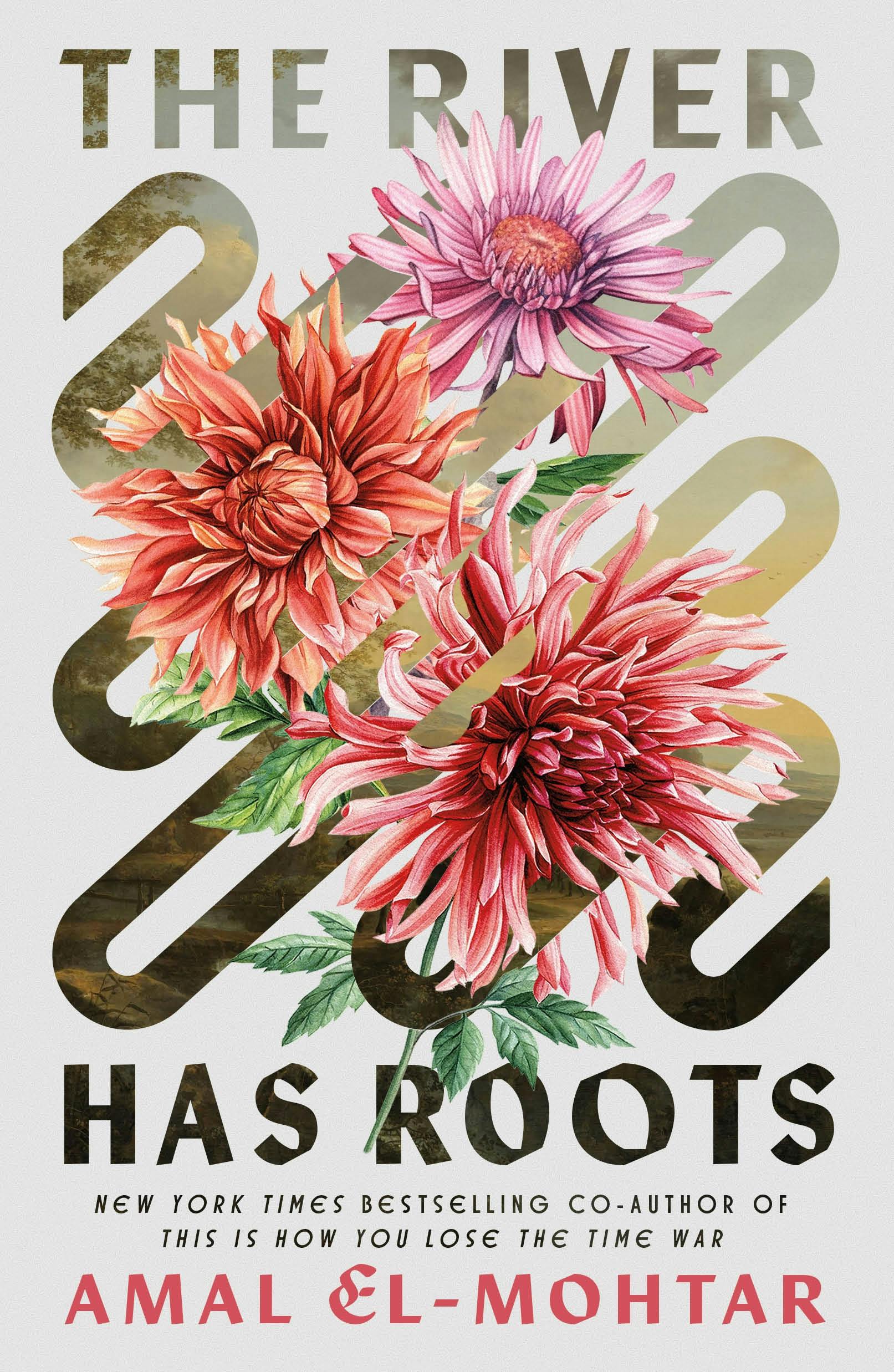
The River Has Roots
In Thistleford, the River Liss carries a wild grammar that changes the landscape, while the Hawthorn family tends the enchanted willows along its banks.
About
Spoiler notice: Spoilers for the premise and early character setup, including the sisters’ attachment to the willows, the existence of Faerie, and Esther’s choice of a lover. Later consequences and the ending are not summarized.
At the edge of the small town of Thistleford, the River Liss runs through a landscape where language behaves like magic. Its waters carry wild grammar from Arcadia, transforming what they touch: stones become jewels, flowers bloom out of season, and the world around the river holds several possibilities at once. Two enormous willows, known as the Professors, stand with their roots woven over the water. They draw the river’s unruly power into their trunks, translating its volatile grammar into something slower and steadier. Beyond them lie the Modal Lands and a boundary called the Refrain, with Faerie on the other side. This setting makes the book’s central image—language as a force that changes the world—part of its geography and daily life.
The Hawthorn family tends the willows, harvesting leaves, bark and wood for ordinary uses as well as enchantment. The trees supply tea, medicine, baskets, cordage, furniture and instruments; their wood also serves grammarians who make wands. The family’s work carries a ritual obligation: by an ancient compact they sing to the willows at the turning of each season, though tradition brings their songs at sunrise and sunset too. Their singing is an act of thanks for the trees’ translations of the river’s magic. This practical, inherited relationship with the natural world gives the story a folk-tale texture, while its invented system of grammar connects care, labor and enchantment. Magic here belongs to a place and a community, not only to people who study or command it.
The latest daughters of the Hawthorn household, Esther and Ysabel, share a remarkable musical bond. Their voices thread together in harmony, and their songs can shift the mood of the air: a stormy song clouds the day, while other melodies bring adventure or a sweet sadness into view. Esther is thoughtful and sociable; Ysabel is shy, despite her bright, easy laugh. They love one another completely, and the willows feel to them like kin and ancestry. Their closeness is presented as part of ordinary life in Thistleford rather than as a mystery they are trying to solve. The sisters sing the seasonal hymn and improvise around it, noticing small changes in the color of bark and leaf as their relationship with the trees deepens.
Stories about the Professors offer the sisters competing accounts of love and sacrifice. Their father says that the two trees were lovers driven from their homes and changed into willows; their mother describes a sacrifice made for the good of their families. The details vary in the telling, but the trees’ love is not disputed. The tale gives the sisters a family story about devotion that is itself unsettled by translation and memory. The hymn they sing is also difficult to place: their family has wondered whether its language is Welsh, while a visiting Levantine woodworker heard something like Arabic. She explains it as a song about the North Wind opening doors and carrying messages to a beloved in exile. The girls inherit the words and make them their own through seasonal variations and harmony.
The beautiful landscape has dangers alongside its charms. In the Modal Lands, rabbits may look almost human, nettles can spell a person’s name, and birdsong can carry grief that even the willows cannot translate away. People call the river’s unwelcome transformations “marred,” and the text presents them as changes that cannot simply be undone. A few would-be fortune-seekers try to collect raw grammar from the water, taking pains not to let it touch their skin; the enchanted material can be sold, but the surrounding country makes the work perilous. Meanwhile, Thistleford benefits from Faerie’s nearness through prosperity, merriment and good weather. The town’s gains and the risks beyond the willows sit beside each other, establishing a world where magic is valuable, unpredictable and never entirely safe. The contrast between the town’s measured cultivation and the river’s restless changes also shapes the novella’s sense of scale: a willow can be a crop, a resource, a relative and a vessel for language all at once. That overlap makes everyday work part of the fantasy rather than a pause from it.
Against that world of inherited customs and stories, Esther makes a choice that threatens the sisters’ bond and their lives. The publisher’s description identifies a forceful suitor whom Esther rejects in favor of a lover from Faerie, setting intimate desire against family expectation and the dangers of the land beyond the Refrain. The novella’s 144-page form keeps its focus close to the Hawthorn sisters, their songs, their household and the old stories that shape what they believe is possible. It draws on the cadence of folklore and the pattern of a ballad while building its own mythology around grammar, willows and transformation. The river’s power to alter the world gives the sisters’ choices an expansive backdrop, but the emotional center remains the fierce attachment between two people who cannot imagine being separated.
Book details
- Author
- Amal El-Mohtar
- First published
- 2025
- Series
- No series listed
- Subgenre
- Fae and faerie, Witch and magic
- Primary genre
- Fantasy
- Tags
- No tags for this book.
Review
Editor profile
Baby Bat
Goodreads and social links will be added soon.
- Goodreads — link coming soon
- Social media — link coming soon