
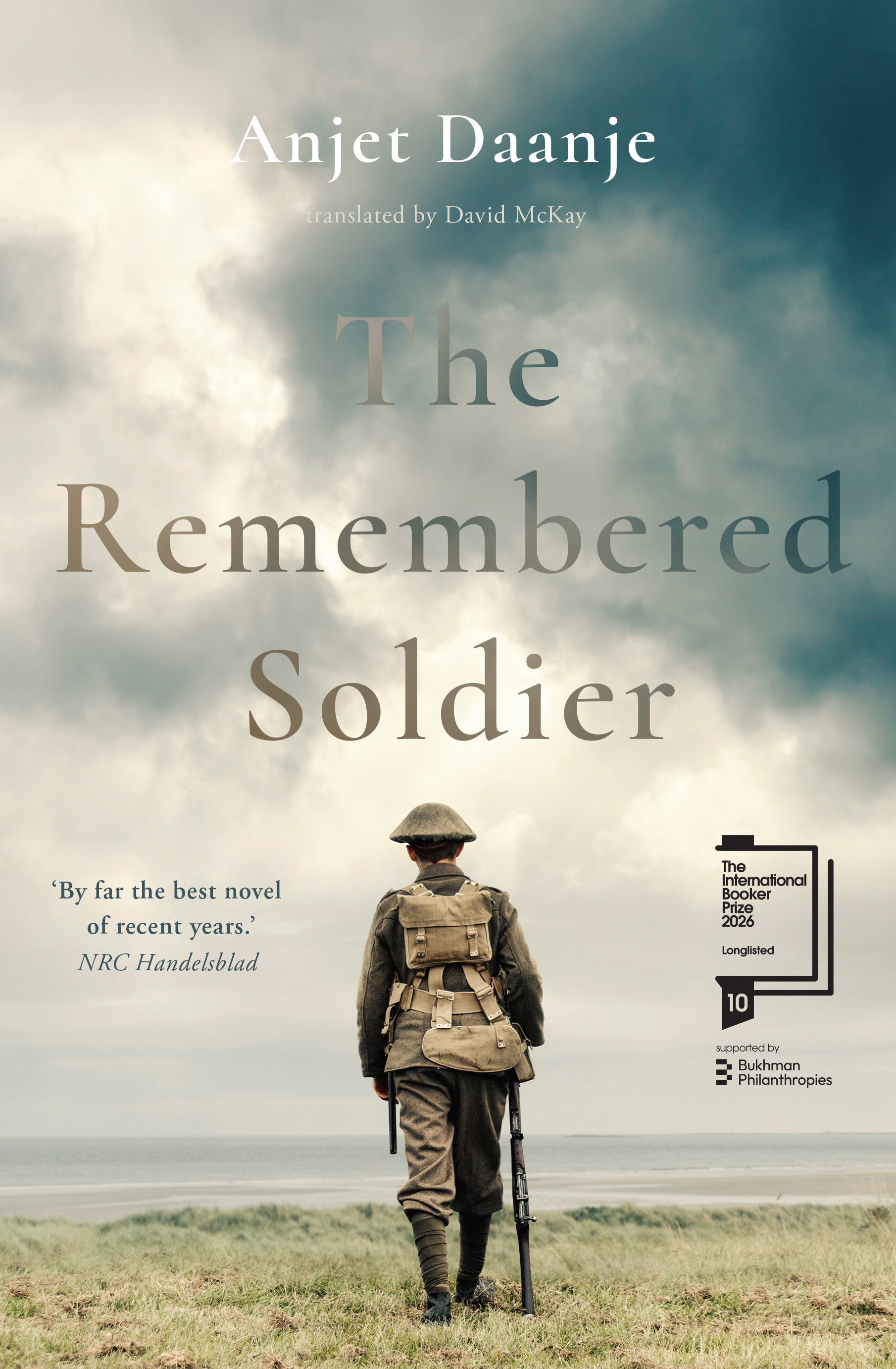
The Remembered Soldier
In Flanders in 1922, an amnesiac former soldier known as Noon Merckem lives in a psychiatric asylum.
About
Spoiler notice: Spoilers for the premise and early family situation, including Amand’s amnesia, Julienne’s claim, their children, and his later nightmares and guilt about the trenches. The ending and later revelations are not described.
The Remembered Soldier opens in the aftermath of the First World War, in Flanders. A soldier is found behind the Belgian front, uninjured but unable to identify himself, and is taken to a psychiatric asylum. Four years later, an advertisement gives him a possible route back to a family he cannot remember: women have been visiting the institution in the hope of recognizing husbands and sons who disappeared in the war. Julienne identifies him as her husband, photographer Amand Coppens, and takes him home despite medical advice. The scene sets up a reunion with an unusual imbalance. Julienne comes with a shared history; Amand arrives with no access to it. His former life is not simply waiting to be resumed, because he has no memory with which to recognize it as his own. The novel begins its inquiry into identity through this practical problem of return, with a homecoming that cannot immediately restore the person who left.
Before the war, Amand had a wife, two children and a successful photography business. Those details give the life Julienne describes a shape beyond the general label of missing husband: it included work, family responsibilities and a place in a community. For Amand, however, this history belongs to other people’s recollections. He has to meet his children and consider a household whose connections feel new to him, while being told that he is returning to relationships already built. The original Dutch publisher describes the situation as strange and uncomfortable for Julienne as well as for Amand. That matters because the difficulty does not sit only with the amnesiac man. Julienne is living beside someone who carries her husband’s face and name but cannot remember their life together. The gap between her familiarity and his unfamiliarity shapes their daily life from the start.
Julienne tells Amand about their past, and he tries to become the man she remembers. The attempt is more complicated than learning a list of facts: he must decide how to respond to a wife, children and a home that are emotionally important to Julienne but have no remembered history for him. The Dutch publisher describes the pair as falling in love again, with a closeness stronger than the one they had when they first married. Their relationship therefore develops in two directions at once. Amand is constructing a new attachment in the present, while Julienne is trying to connect that attachment to the marriage she lost during the war. Friends see a miraculous reunion, but that public story smooths over the work and awkwardness of living together. The domestic setting keeps the consequences tangible: each account of the past meets the ordinary demands of a family trying to live now.
The war also returns through Amand’s nightmares. As he becomes more comfortable in his new life, the dreams about the trenches grow more frequent. He fears that the person he was in battle may have taken pleasure in acts he now considers terrible, and he cannot forgive himself for what those dreams seem to say. The original publisher presents this guilt as part of his effort to understand the man he may have been, not as a recovered memory that settles the question. This strand changes the meaning of recovery. Remembering would not necessarily bring comfort or restore a simpler self; it might force Amand to face a past he would rather not claim. The war’s effects thus reach beyond the missing years and into his judgment of himself. His family life offers a chance to form new bonds, but the nightmares make clear that the past cannot be reduced to the story Julienne tells about their marriage.
Daanje has described a historical case that helped spark the novel. She encountered the story of Anthelme Mangin, a French soldier who lost his memory during the First World War and was placed in an asylum. After the institution advertised for anyone who might recognize him, many women came forward believing he was a missing husband or son. Daanje says she took a small part of that real account and invented the rest. That distinction is useful for approaching Amand’s story: the book draws on a documented postwar problem of recognition, while its characters and the particular life Julienne describes belong to the novel. In the same interview, Daanje says she researched the war and everyday life in the early twentieth century. The historical texture supports the emotional premise without turning the book into a biography of Mangin or a record of one real couple.
The novel’s tension comes from the different kinds of evidence available to Amand. The asylum can say how he arrived; the advertisement brings forward people who believe they know him; Julienne can describe the marriage; and his nightmares offer disturbing images without giving him a complete account of the past. Each source answers a different question, and none makes all the others unnecessary. This structure lets the story connect a private relationship to the wider postwar effort to identify people who had disappeared. It also gives the title a double edge: Amand is remembered by others as a soldier and a husband, but he has to decide what to do with identities he cannot verify from within himself. The book follows the strain between a life witnessed by other people and a self that cannot yet recognize that life as its own, while keeping its later revelations and ending outside this overview.
Book details
- Author
- Anjet Daanje
- First published
- 2019
- Series
- No series listed
- Subgenre
- Literary historical fiction, World War I fiction
- Primary genre
- Historical Fiction, Literary Fiction
- Tags
- No tags for this book.
Review
Editor profile
Baby Bat
Goodreads and social links will be added soon.
- Goodreads — link coming soon
- Social media — link coming soon