
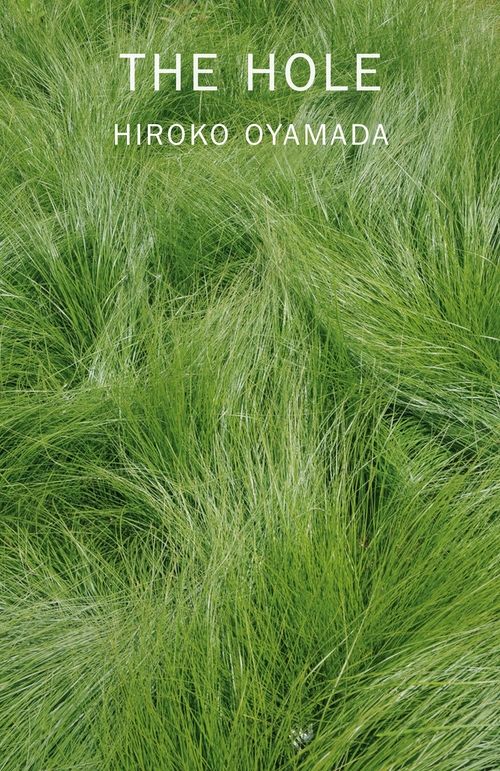
The Hole
After her husband’s job transfer, Asa leaves her temporary work and moves to his rural hometown, where his family lives next door.
About
Spoiler notice: Discusses Asa's move, her encounter with the animal and hole, and the novel's central uncertainty about belonging and perception; does not reveal the ending.
Hiroko Oyamada's The Hole begins with a move that looks practical from the outside. Asa's husband is transferred to an office near his family's rural home, and the couple settle in a house owned by his parents, who live next door. The summer is exceptionally hot. Her husband goes to work while Asa adjusts to a place where she has little to occupy her. She leaves a temporary job behind, makes supermarket trips and halfheartedly looks for work. The change is not presented as a dramatic rupture. It arrives through ordinary decisions about employment, housing and family, yet it reorganizes Asa's days around other people's routines.
The move also changes how Asa is seen. After helping her from the hole, a neighbour identifies her by her marital role. The label compresses her identity into her relationship with her husband, even though the person at the centre of the story is trying to work out what she wants and how to spend her time. Her husband and father-in-law are largely defined by paid work, while the mother-in-law, Tomiko, combines employment with household responsibilities. The novel's social observations emerge through these uneven arrangements rather than through a separate argument. Asa's quietness and lack of direction are bound up with the roles available to her in this new household and community.
Oyamada gives the countryside a strong physical presence before it becomes strange. Asa walks beside a river in thick summer heat, hearing cicadas and noticing gardens, overgrown grass, stagnant water and birds. The detail makes the path feel specific and ordinary. It is also a space Asa has not yet learned to read: she knows the route imperfectly, has not visited the nearby convenience store since moving, and finds the walk oppressive in the heat. Rain on moving day gives way to oppressive summer heat and the incessant noise of cicadas. These sounds and surfaces shape the pace of Asa's new life, where time stretches around errands and the effort of getting through the day.
During an errand for Tomiko, Asa sees a large black animal and follows it toward the river. She falls into a hole that seems nearly the size of her body, then needs help to get out. The event is startling, but the novel does not immediately turn it into a clean portal to another world. A neighbour helps her out and calls her “the bride”; the hole becomes the first of several bizarre experiences. Asa has no reliable explanation for the animal or the opening in the ground. The gap between what she sees and what she can prove becomes part of the story's tension, especially when ordinary people around her respond as if the experience can be dismissed or filed away.
That uncertainty widens when Asa encounters a man who says he is her brother-in-law. He has withdrawn from the community, and he asks her not to tell her husband or mother-in-law about their meeting. Asa cannot verify his existence with other family members. His account gives her another possible way of understanding isolation: unlike Asa, whose withdrawal follows a move and a lack of work, he describes a deliberate retreat from expected social life. Their conversations do not settle whether the animal is real or what the hole means. Instead, they make Asa's situation harder to classify, because the person who might explain the strange events also asks her to accept a story she cannot check.
The novella's uncanny quality grows from this close contact between the routine and the inexplicable. Asa's husband gives a mundane explanation for the creature, suggesting it might be a dog or weasel, while his attention quickly returns elsewhere. His response follows a dinner conversation and the ordinary rhythms of work, food and a phone. The contrast leaves Asa alone with an experience that has affected her but has not changed the shared account of reality around her. Asa's isolation sits beside the family's gendered expectations, but it does not provide a key that solves the strange events. The novel keeps them open to more than one reading.
The novella keeps returning to the spaces Asa is expected to fill: a house next to her in-laws, a rural route she has not yet learned, and the empty hours while her husband works. Even a simple errand can move her beyond the social map laid out for her. Following the animal takes her to a hole that seems strangely fitted to her body, while the supposed brother-in-law suggests another way someone might slip out of ordinary family life. Neither encounter gives Asa a stable answer. The more she tries to understand the landscape, the less certain she becomes about what the others see and how they define her. The story holds on to that uncertainty, letting heat, noise, boredom and improbable meetings disturb everyday life without explaining them away. Its ending remains outside this account.
Book details
- Author
- Hiroko Oyamada
- First published
- 2014
- Series
- No series listed
- Subgenre
- Translated literary fiction, Weird fiction
- Primary genre
- Literary Fiction
- Tags
- No tags for this book.
Review
Editor profile
Baby Bat
Goodreads and social links will be added soon.
- Goodreads — link coming soon
- Social media — link coming soon