
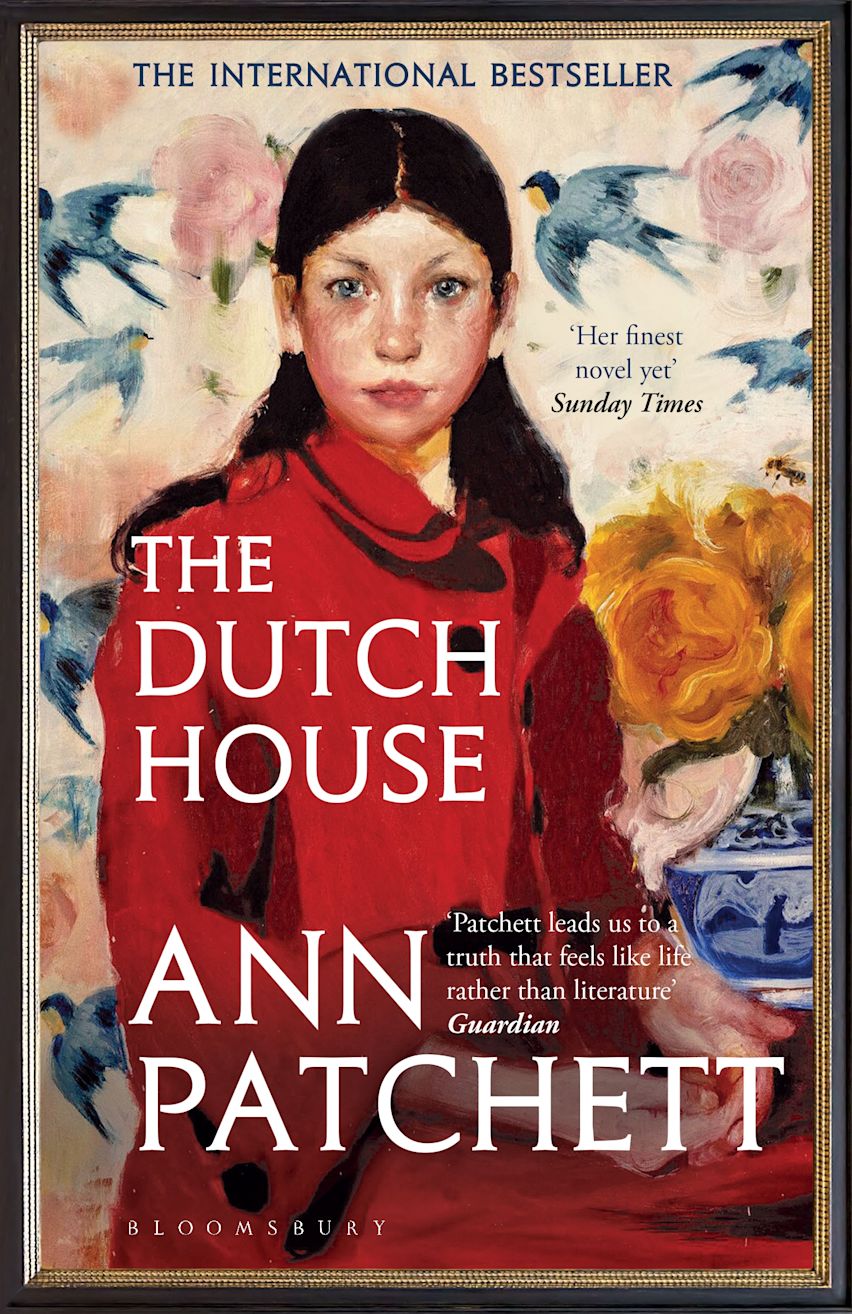
The Dutch House
Danny Conroy grows up with his sister Maeve in the Dutch House, a grand Philadelphia-suburbs mansion bought by their father during the postwar boom.
About
Spoiler notice: Spoilers cover the childhood home, family relationships and the siblings’ estrangement; later developments and the ending are withheld.
Cyril Conroy’s property investments lift his family from poverty during the postwar boom, and the Dutch House becomes the clearest sign of that new wealth. Danny and his sister Maeve grow up in the Philadelphia-suburbs mansion, among rooms that still hold portraits of its former owners. Yet the grandeur of their home sits beside a quieter family reality: their father is distant, and their mother, Elna, is absent. Ann Patchett makes the house both an impressive possession and the setting for a childhood marked by emotional gaps. Its scale promises permanence, while the children’s experience shows how little architecture can guarantee about a family’s security.
Danny tells the story, but Maeve often seems to occupy its emotional centre. His account is shaped by what he remembers of his sister: her intelligence, her wit, and the steadiness she offers him as the family changes. This choice of narrator gives the novel a particular angle. Readers see Maeve through the brother who depends on her, rather than receiving a complete account of her inner life. That distance leaves room for tenderness and uncertainty at once. Danny can describe what Maeve does for him, but his perspective also reminds us that love and memory do not make another person entirely knowable.
Maeve’s care appears in practical decisions as well as affection. She takes work for which she is overqualified so she can stay close to Danny, and she helps guide major choices about his education. The details give sibling loyalty a material shape: it involves time, proximity and responsibility, not only a shared childhood or a promise to remain close. Her role also intersects with Elna’s absence, though the siblings do not experience that absence in the same way. Patchett lets care pass between family members without suggesting that one person can simply replace another. Maeve’s devotion sustains Danny, even as the demands placed on her remain part of the story’s emotional weight.
When their father brings home Andrea as a new stepmother, the children’s place in the household shifts. Danny and Maeve are eventually exiled from the Dutch House and pushed back toward the poverty their family had escaped. The reversal gives the novel the outline of a dark fairy tale, but its force comes from the ordinary consequences of losing a home and a secure position. A house can be shelter, inheritance and a family’s public image at once. For the siblings, leaving it unsettles all three. The question is not simply who owns the building, but how the loss reorganises their understanding of childhood and of the people who shaped it.
That history follows Danny and Maeve into adult life. They return to the neighbourhood and to the edge of their former home, close enough to see the place yet unable to enter the world they associate with it. These visits make the novel’s attention to memory tangible: the siblings can revisit the location, but they cannot step back into the past as it was. Patchett uses the house as a fixed point while allowing its meaning to change with the people who remember it. What looked like a complete childhood world can later seem built from partial knowledge, longing and hurt.
The Conroys’ rise and fall also keeps class in view without turning the book away from its family focus. Cyril’s success brings extraordinary wealth, but money does not close the distance between him and his children or protect them from loss. After their exclusion, Danny and Maeve must live with the difference between having once belonged to a place and being able to claim it again. Patchett’s attention to material circumstances deepens the sibling story: affection matters, but so do work, education, security and access to a home. The novel suggests that belonging depends on more than a deed or a bank balance, while showing how strongly those things can shape a person’s choices.
The former owners’ portraits add a quiet complication to the house as a childhood setting. Their faces remain in the rooms while the Conroys make a life there, so the siblings’ memories are tied to a place that already carried someone else’s history. The paintings do not explain the family’s troubles, but they make the mansion feel less like a blank possession than a home layered with earlier lives. Patchett’s attention to the portraits also suits Danny’s reflective account: the present is continually viewed alongside traces of what came before. The house gathers personal memory and inherited history in the same frame, giving the siblings’ attachment a setting that seems larger than their own time inside it.
Published in 2019, The Dutch House follows a brother and sister through the long afterlife of one family rupture. Danny’s narration keeps the book close to recollection, and Maeve’s presence gives that recollection its deepest attachment. Around them, the mansion gathers questions of money, home and inheritance, while Elna’s absence and Andrea’s arrival complicate the family’s story. Patchett leaves room for conflicting memories instead of offering a single settled account of the past. The novel’s scope comes from watching the siblings return to the same place with new understanding, and from considering what can endure when the home that once seemed to contain their whole world is no longer theirs.
Book details
- Author
- Ann Patchett
- First published
- 2019
- Series
- No series listed
- Subgenre
- Literary fiction, Family saga
- Primary genre
- Literary Fiction
- Tags
- No tags for this book.
Review
Editor profile
Baby Bat
Goodreads and social links will be added soon.
- Goodreads — link coming soon
- Social media — link coming soon