
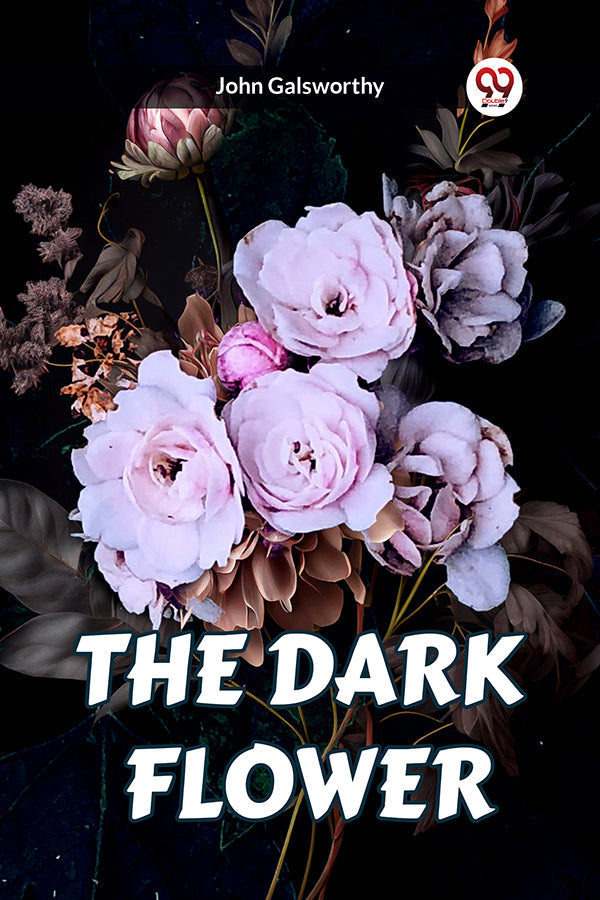
The Dark Flower
John Galsworthy's three-part novel follows sculptor Mark Lennan through Spring, Summer and Autumn, as each season brings a different attachment into focus.
About
Spoiler notice: This overview includes Olive's death, Mark's confession to Sylvia and the ending.
John Galsworthy gives the three parts of The Dark Flower the names Spring, Summer and Autumn, following Mark Lennan through attachments that alter with his age without becoming easier to understand. The story begins in Oxford in 1880, where Mark is a student already drawn toward sculpture. His interest in animals and his wish to make things of his own distinguish him from the intellectual manner of his tutor, Harold Stormer. Harold's wife Anna brings a different atmosphere into that world. Austrian and homesick for the mountains, she responds to a young man whose feelings have not yet acquired her husband's elaborate defences. A holiday in the Tyrol gives their acquaintance room to develop, with landscape and physical movement replacing the formal boundaries of Oxford life.
Mark's youth matters throughout this first attachment. He is learning how powerful an emotion can become before he knows what another person's response means or what either of them can reasonably do about it. Anna is married, and the intimacy between them involves obligations that his excitement cannot remove. A kiss and the exchange of a flower acquire an importance far beyond their brevity. Meanwhile Sylvia, another presence in his young life, recognizes that his attention has shifted and suffers from his inability to explain himself. Anna eventually leaves with Harold, and Mark's attempt to see her departing train turns separation into a last, desperate encounter. He abandons Oxford for Rome and the study of sculpture. Two letters to Anna receive no answer; work becomes the activity through which he can continue.
Summer opens in Monte Carlo in 1887, after six years of artistic study in Rome and Paris. Mark's attachment to Olive Cramier has grown from friendliness and her appreciation of his work into a passion that begins to determine his expectations of the future. Her unhappy marriage gives him a justification for remaining close when he might otherwise have withdrawn. The Riviera supplies glitter, music and excursions, but those pleasures exist beside the knowledge that Olive's husband and relatives have claims upon her time and movements. Galsworthy follows the small signs through which Mark interprets her feelings: an invitation, a hesitation, an apparently casual gesture. Their force comes partly from uncertainty. He wants each detail to confirm an intimacy that cannot openly organize their lives.
Olive's marriage also receives a disturbing examination from within. When Robert Cramier takes her into the garden and begs for love, his distress becomes physical coercion: he holds her while she asks to be released. Her refusal to pretend affection protects something he cannot obtain by demanding it. This is her husband's conduct, and it makes the fear surrounding her marriage concrete. Mark and Olive later move toward escape together, imagining arrangements that might allow them to live openly. That prospect ends during a night on the river. A violent collision in the darkness, Mark's loss of consciousness and the efforts to recover Olive culminate in her death. The scene withholds a secure explanation of the collision itself. Its aftermath leaves Mark facing a body and a devastated future, rather than an answered mystery.
Autumn finds him an established sculptor, married to Sylvia for fifteen years. Their shared home and habitual tenderness offer a life that has survived earlier catastrophe, but comfort has not extinguished his fear of age or his susceptibility to beauty. Nell Dromore, the daughter of his old friend Johnny, becomes the focus of another attachment. The age difference is substantial: Mark is approaching forty-seven while Nell is about to turn eighteen, and his attraction has already begun before that birthday. His position as an older family friend gives him access and trust that complicate every response he makes. Young Oliver's wish to marry Nell forces Mark to offer advice while concealing feelings that undermine his apparent detachment. His artistic attention and his private longing become increasingly difficult to separate.
Secrecy now damages the relationship Mark regards as the secure centre of his life. He can imagine his desire for Nell existing alongside his love for Sylvia, but Sylvia cannot experience that division as he does. When she finally presses him to explain his changed behaviour, his confession produces a suffering he can no longer keep outside his account of himself. He argues inwardly that the longing was unavoidable, a resurgence of youth and life that preceded Nell herself. Sylvia's own wish to recover her youth exposes the limitation of that explanation. She has lost things too, and his pursuit of renewal threatens to add abandonment to those losses. The scene lets his self-understanding meet another person's experience of the same choices, with no easy agreement between them.
The last chapter follows a decision rather than a completed new life. Mark recognizes that he cannot leave Sylvia and inflict the cruelty he now sees before him. He prepares to go to Italy with her, arranging money and the letting of their house, while writing Nell a false explanation involving his sister. Another letter asks Oliver to be gentle toward Nell, without establishing what will happen between the younger pair. A dark red flower burning down in the fire returns the book's central image to a scene of relinquishment. Mark then watches Sylvia asleep, hoping to offer reassurance when she wakes. Their journey has not occurred, and the novel supplies no later settlement. What has changed is his willingness to act upon every feeling, even while the feelings themselves remain beyond tidy resolution.
Book details
- Author
- John Galsworthy
- First published
- 1913
- Series
- No series listed
- Subgenre
- Literary fiction, Modern classics
- Primary genre
- Literary Fiction
- Tags
- No tags for this book.
Review
Editor profile
Baby Bat
Goodreads and social links will be added soon.
- Goodreads — link coming soon
- Social media — link coming soon