
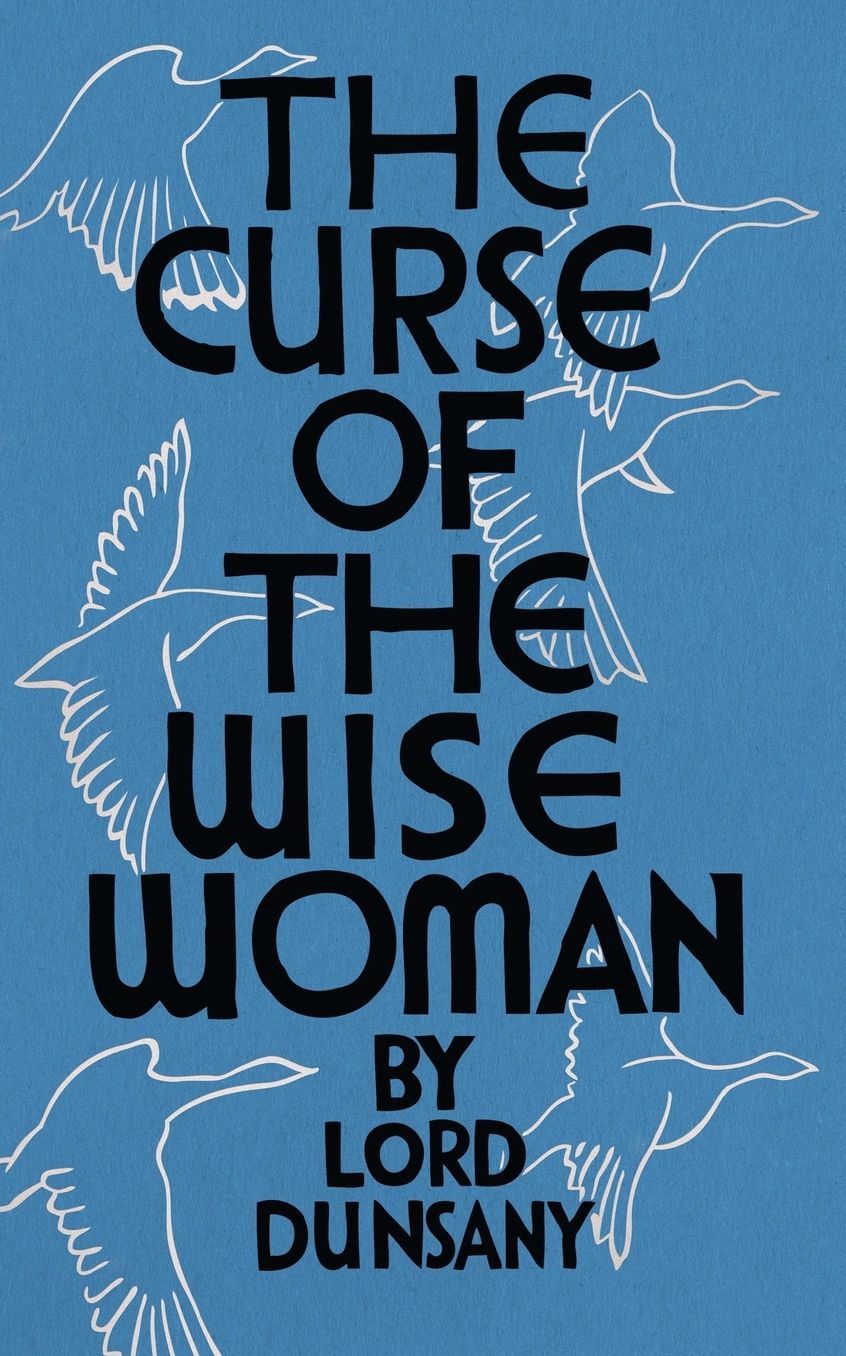
The Curse of the Wise Woman
From a foreign posting in later life, Charles Peridore remembers an Irish boyhood shaped by political danger, wild geese and the bog at Lisronagh.
About
Spoiler notice: This overview reveals Mrs. Marlin’s fate, the destruction of the peat works and the outcome of Charles’s relationship with Laura.
The Ireland Charles Peridore remembers is full of wild birds, peat smoke, dangerous loyalties and places that seem to hold more life than anyone can explain. Writing from a foreign town in old age, he knows that other people might describe his lost country as unhappy and oppressed. It did not seem that way to him, and the gap between those perspectives matters throughout The Curse of the Wise Woman. Lord Dunsany’s 1933 novel gives its landscape through the recollections of a boy with a comfortable home, a gun and considerable freedom. Charles’s affection is vivid, but his account also exposes the privileges, assumptions and losses that shape what he remembers.
Political violence enters that childhood before the threatened bog becomes the centre of the story. One Christmas night, Charles’s father gives him an odd instruction about looking at a picture and disappears from the library. Armed men arrive looking for him. Charles delays their search while a horse carries his father away, then makes a false oath with a sacred relic in his hand. The scene places religious reverence beside the immediate possibility of murder: the visitors can kneel before the relic while keeping their pistols ready. Afterwards, Charles is frightened for his father, yet also pleased by an unexpected freedom to go shooting. His older self preserves that uncomfortable mixture of fear and youthful selfishness.
The bog at Lisronagh supplies another kind of education. Charles already has a gamekeeper, Murphy, whose advice belongs to the managed world of the estate. Tommy Marlin, who watches over the family’s portion of bog, seems to possess a more mysterious knowledge. He and his mother live beside a country of heather, moss, pools and uncertain footing. Geese arriving from elsewhere make it feel connected to enormous distances beyond Charles’s familiar roads. Mrs. Marlin’s reported ability to predict their arrival adds to the fascination, but much of the place’s strangeness comes from patient attention to weather, birds and ground. The setting becomes particular enough that a proposal to alter it carries the weight of losing something known.
For Tommy, attachment to that country has become a spiritual crisis. He has turned his thoughts towards Tir-nan-Og, the land of youth, and fears that his longing has placed him beyond ordinary absolution. Charles tries to reassure him from within the Catholic beliefs they share, but cannot settle the conflict between an officially promised Heaven and the otherworld Tommy desires. Their conversation moves between frightening questions about damnation and the practical business of keeping out of sight of geese. When the birds finally call, Charles forgets his companion’s distress in the excitement of the hunt. Dunsany allows beauty, religious anxiety and a boy’s easily diverted attention to occupy the same evening without making them resolve into a simple lesson.
The commercial threat arrives through the Peat Development (Ireland) Syndicate. Dr. Rory explains that Charles’s father sold an option which the company has now exercised; Charles is to receive rent, whether or not he welcomes the arrangement. Machinery will compress peat to be sold as coal, while roads and industrial equipment transform the bog. Charles’s objection draws a clear distinction between this undertaking and the generations of turf cutting that have supplied local hearths. He associates the older practice with continuity and the new works with disfigurement. Other people see things differently. Brophy welcomes the rent, while the doctor doubts the company’s prospects. The conflict includes property, money and competing expectations about what improvement should mean.
Mrs. Marlin answers the intrusion with a curse, and belief has practical consequences before any final catastrophe. Men from Clonrue refuse to work under its shadow; English replacements continue the undertaking. Meanwhile, prolonged rain has swollen the bog’s waters and the works have cut into its lower bank. Charles stays with the old woman as she calls to the wind and rain through a punishing night, trying to persuade her to return home and keep her covered against the weather. Her actions include making a small peat dam across an outlet stream. Physical conditions remain present alongside her invocations. The narrative offers the experience of being caught between those explanations, with Charles both concerned for an elderly neighbour and overwhelmed by the forces she addresses.
The climax gives that force a terrifying material form. After Mrs. Marlin has returned to bed, she announces that the bog is coming. Charles goes outside and sees the undercut bank rise into ridges; the water-heavy mass begins moving across the lower ground. When he runs back, Dr. Rory tells him that she has died. The doctor then acts quickly to get the workers away, stopping men who try to retrieve belongings from their huts. They escape, while the moving peat overwhelms buildings, machinery and the new road. Mrs. Marlin’s death and the destruction of the enterprise coincide, but Charles’s account also names the accumulated rain and damaged bank. The outcome leaves room for belief without requiring a settled supernatural mechanism.
Charles’s story continues beyond that destruction, returning to the compromises of a much longer life. He never married Laura: their engagement failed over the religion of possible children, although his affection persists across the doctrinal barrier. His later diplomatic existence also reconnects him with the political danger of his childhood. These returns prevent the bog episode from standing alone as a victory neatly preserved outside time. The older narrator is still sorting affection from judgment and certainty from things he cannot explain. Through his recollections, Dunsany gives the threatened landscape an intimate human setting: work, sport, faith, ownership and companionship all help make it meaningful. What survives is a place remembered through those attachments, together with the unresolved costs of holding them.
Book details
- Author
- Lord Dunsany
- First published
- 1933
- Series
- No series listed
- Subgenre
- Literary fiction
- Primary genre
- Literary Fiction
- Tags
- No tags for this book.
Review
Editor profile
Baby Bat
Goodreads and social links will be added soon.
- Goodreads — link coming soon
- Social media — link coming soon