
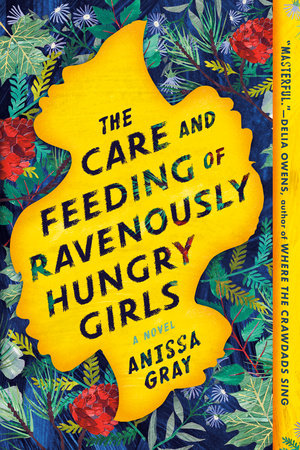
The Care and Feeding of Ravenously Hungry Girls
After Michigan restaurateur Althea Butler and her husband, Proctor, are convicted of fraud and embezzlement, Althea is jailed and their teenage twins are left in the care of her sisters.
About
Spoiler notice: Includes the opening fraud conviction, family caregiving arrangements, childhood abuse involving Joe and Lillian, and Viola’s eating disorder. Later outcomes and the ending are not disclosed.
Anissa Gray opens The Care and Feeding of Ravenously Hungry Girls with Althea Butler in jail after she and her husband, Proctor, are convicted of fraud and embezzlement in their Michigan town. The couple had run a restaurant and general store and were known for their community work; now the case has cost them their standing and left their teenage daughters, Kim and Baby Vi, dependent on relatives. Lillian has the girls in the family’s old house, and Viola is returning from Chicago. The story begins after the public judgment has already fallen, then turns to the less visible work of living with its consequences. The legal proceedings force decisions about the twins before the adults have agreed on who should make them.
Althea’s place in the family helps explain why her absence unsettles everyone. Their mother died when the children were young, and their father, an itinerant preacher, was often away. Althea was twelve when she took on much of the day-to-day care of her younger siblings. She later built a life with her childhood sweetheart, Proctor, but the sisters remember their shared childhood differently: Althea was closest to Viola and Joe, while Lillian’s relationship with her has remained more distant. The adult women now have to negotiate practical decisions about the twins while carrying very different memories of who cared for whom.
The sisters’ current lives give those old differences new weight. Lillian inherited and refurbished the childhood home, where she has made a settled life, yet her history with Althea is marked by feeling rejected. Viola built her adult life in Chicago as a therapist; she is separated from her wife, Eva, and struggles with bulimia. She has also kept distance from the family, so returning to help with her nieces means coming back to people and experiences she has tried not to face. Lillian and Viola can agree that the twins need support while disagreeing about what that support should look like and how much of their own past belongs in the decisions. Eva remains an important presence even while the couple is apart: their conversations show that Viola’s distance from her sisters is only one part of the emotional life she must manage. Her work as a therapist sits beside, rather than neatly resolving, her own struggle with an eating disorder.
Kim and Baby Vi are teenagers reacting to the same upheaval in different ways. Althea refuses visits from them in jail, and their reactions make clear that protecting them from the sight of their parents does not spare them from the loss. Lillian and Viola have to care for the girls in a house full of their own family history, while Joe also offers to take them in. Lillian distrusts that offer because of the abuse she experienced from him. The custody question therefore brings an old injury into an immediate family problem: each sibling’s memory influences which adults the girls can safely rely on.
The novel gives the three sisters alternating first-person chapters, so Althea, Viola and Lillian each shape how the family’s story is understood. Their accounts fill in the lead-up to the conviction and the years before it, while showing the limits of what each woman knows about the others. Letters between Althea and Proctor add another texture to the jail storyline: they communicate about the daughters and the life they have lost, with affection and disagreement present together. Their correspondence also gives the reader a view of the couple’s marriage that the public case cannot provide. They discuss whether the girls should visit, how to keep them cared for, and the things neither can undo. The letters let Proctor speak for himself alongside the sisters’ separate accounts.
Gray keeps the novel’s attention on the way a family’s public identity and private life can collide. Althea and Proctor had been viewed as dependable community members, so the conviction unsettles more than their household; it changes the place their business and generosity had held in town. Inside the family, the same event exposes unresolved harms, including Althea’s strained bond with Lillian, Viola’s avoidance, and the consequences of Joe’s treatment of his sister. The sisters’ work of caring for the twins is inseparable from those histories. Rather than treating reconciliation as automatic, the novel follows how responsibility, anger and attachment complicate the choices each woman makes. The religious background matters as part of the family’s formation: their father preached, and the children grew up within a close-knit church community. That inheritance sits beside the harm at home, making belief and family loyalty more complicated than a simple source of comfort.
Mercedes, the woman Althea befriends in jail, broadens the story’s view of incarceration. She is a companion behind bars with a history of her own and a difficult position between wrongdoing and the possibility of helping others. Through this friendship, the jail chapters include a bond formed outside the family, while Proctor’s letters connect Althea to the household beyond the cell. Both relationships complicate the stark roles assigned by the conviction: offender, spouse, mother and sister do not exhaust who these people are to one another.
Book details
- Author
- Anissa Gray
- First published
- 2019
- Series
- No series listed
- Subgenre
- Family novel, Social realism, Family saga
- Primary genre
- Literary Fiction
- Tags
- No tags for this book.
Review
Editor profile
Baby Bat
Goodreads and social links will be added soon.
- Goodreads — link coming soon
- Social media — link coming soon