
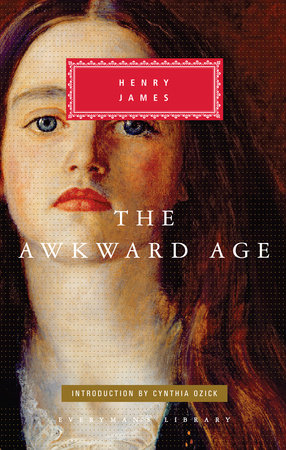
The Awkward Age
As Nanda Brookenham grows into her mother’s London social circle, friends and potential benefactors begin arranging her future.
About
Spoiler notice: Full-plot spoilers, including Mitchy’s marriage and Nanda’s final decision about Mr Longdon.
Nanda Brookenham is becoming old enough to participate in the London society her mother has made around herself. That change presents a problem for adults accustomed to speaking freely while deciding how much a young woman ought to know. In Henry James’s The Awkward Age, published in 1899, growing up means entering conversations whose apparent friendliness conceals competing interests. Mrs Brookenham’s circle includes attractive men, experienced hostesses, relatives with marriage plans and observers trying to judge the others’ motives. Nanda has to find a place among them while they discuss her prospects. Their talk repeatedly shows that being treated as grown up can mean being entrusted with responsibilities without receiving much freedom to decide what those responsibilities should be.
Mr Longdon enters this world after spending many years away from sustained London life. The novel opens with him and Vanderbank leaving a dinner, taking shelter from the weather and beginning to establish their connections. Vanderbank belongs comfortably to the society Longdon is trying to understand, and the older man’s questions bring its habits into view. Longdon’s interest in the Brookenhams becomes especially important to Nanda, who gains a sympathetic friend with the means to alter her circumstances. Yet his concern also brings expectations. He imagines a future for her that depends on other people making the choices he believes would be right, and his disappointment becomes part of the emotional pressure surrounding a girl he sincerely wants to help.
The most concrete proposal is financial. Longdon is willing to provide money if Vanderbank will marry Nanda. When Vanderbank explains the arrangement to Mrs Brookenham, he says he is taking his time; he has even stopped Longdon before hearing the amount. A possible provision has therefore entered the conversation without producing a proposal of marriage. Mrs Brookenham can discuss her daughter’s feelings, suggest what the men intend and test what Vanderbank will admit, but none of that settles Nanda’s future. The discussion shows how an apparently generous offer can leave the person it concerns waiting on someone else. Vanderbank is able to defer his decision while those around him continue interpreting the significance of his attention or absence.
Little Aggie, the Duchess’s niece, offers another version of a young woman being prepared for society. Her aunt’s supervision is meant to preserve a particular kind of innocence, while Nanda is already involved in the adult circle’s conversations and obligations. The contrast raises practical questions about what such protection accomplishes. Nanda’s familiarity with complicated relationships makes her useful to the people who worry about her knowledge. Her mother draws her into discussions involving Mr Cashmore and Mrs Donner, and the young woman becomes someone through whom adults can approach or influence one another. James leaves much of this world’s private conduct implied. What the conversations make plain is how readily their participants assign tasks and interpretations to others while maintaining a polished social manner.
Mitchy, whose formal name is Mr Mitchett, cares for Nanda, but she urges him to marry Aggie. She presents the marriage as a chance to take the girl away from the Duchess’s influence. Mitchy asks what Nanda means by saving her and what he might receive from undertaking the task. Nanda offers gratitude and admiration, making their own bond part of the appeal even as she directs him towards another woman. The marriage happens, but it does not remove the questions surrounding those promises. Later conversations concern Aggie’s changed circumstances and Mitchy’s continuing attachment to Nanda. The people involved have accomplished a socially recognisable arrangement without making their emotional relations equally simple, or agreeing about whether the intervention was a good one.
By the last part of the novel, Nanda is considering a departure with Longdon. She also asks Vanderbank to visit her, and uses the meeting to speak about his neglect of her mother. When Longdon arrives afterwards, Nanda tries to explain Vanderbank’s behaviour generously and to make the older man feel better about him. Longdon finds it painful that she is still undertaking that service. His own hopes have been disappointed, and he wishes she cared less for the man he had imagined as her husband. Nanda’s denial breaks into tears. Their conversation exposes the feelings that their careful explanations cannot manage, with neither able to reduce the situation to a clean account of who has helped or failed whom.
Nanda agrees to go with Longdon, asking him to take her as she is. He accepts, and they settle on leaving the following day. Their exchange includes an affectionate kiss on her forehead and her answering kiss on his cheek; the scene does not announce a marriage between them. Even as the decision is made, they continue thinking about the lives entangled with theirs. Longdon suggests that Vanderbank ought to have married Aggie. Nanda recognises what he means but refuses to treat that alternative as a solution to everything, and admits that she remains anxious about Mitchy. The book closes with the arrangement for tomorrow. Nanda has chosen somewhere to go while retaining concerns and attachments that the move itself cannot resolve.
Book details
- Author
- Henry James
- First published
- 1899
- Series
- No series listed
- Subgenre
- Literary fiction, Modern classics
- Primary genre
- Literary Fiction
- Tags
- No tags for this book.
Review
Editor profile
Baby Bat
Goodreads and social links will be added soon.
- Goodreads — link coming soon
- Social media — link coming soon